Ethan Cole

To reverse the effects of minor imperfections on your precious accessory, utilize a dedicated polishing compound specifically designed for mineral or sapphire crystals. Apply a small amount onto a microfiber cloth and buff the surface in gentle, circular motions.
For deeper marks, consider using a fine-grade sandpaper, preferably around 1000 grit. Wet the paper to minimize dust and lightly rub the affected area, ensuring an even application without applying excessive pressure. Follow this with a polishing compound to restore clarity.
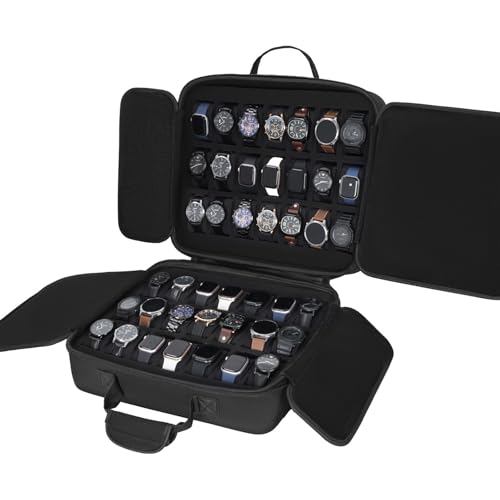
Regular maintenance can prevent wear. Store your timekeeper in a dedicated box, keeping it away from harsh chemicals and environments. A simple wipe with a soft cloth will help maintain its shine and prevent future imperfections.
Restoring Your Timepiece’s Surface
Utilize a soft microfiber cloth to gently buff the affected areas. Apply a small amount of polishing compound specifically designed for metals onto the cloth. Work in circular motions, gradually increasing pressure as necessary until the blemish diminishes.


Utilizing Specialized Kits
Purchase a scratch removal kit that includes specific abrasives for your watch’s surface material. Follow the manufacturer’s instructions closely, ensuring you use appropriate applicators, which often include pads and wipes for optimal results.
Professional Services
If home methods do not yield satisfying results, consider visiting a professional horologist. They possess advanced tools and expertise to effectively restore the design without compromising its integrity.
Identifying the Type of Watch Face Material
To effectively address imperfections, first determine the material of the timepiece’s face. Common materials include acrylic, mineral glass, and sapphire. Each type has unique characteristics impacting care methods.
Acrylic is lightweight and prone to fogging but is easier to polish. Mineral glass is more resistant to scratching, yet it can shatter upon impact. Sapphire, while the toughest option, is still susceptible to scratches and requires specialized solutions for maintenance.
For acrylic, a polishing compound works best; it can restore clarity and shine. Mineral glass typically requires more caution; avoid abrasive cleaners that may worsen damages. For sapphire, rely on specific scratch removal kits tailored for this high-durability material.
To identify the material, observe the clarity and strength. Acrylic often appears softer, while mineral and sapphire have a more rigid feel and clarity. A simple scratch test may also help–gently scrape the surface with a fine object; acrylic will show marks more easily than the other materials.
Understanding these differences is essential for selecting the appropriate technique to enhance the appearance of the timepiece. Knowing the material allows for effective damage control and prolongs the life of the accessory.
Gathering Necessary Cleaning Supplies
Begin with microfiber cloths; they’re designed to gently lift dirt without scratching the surface. Acquire a soft-bristled toothbrush to address dirt in crevices without causing damage.
Consider specific polishing compounds made for various materials. For acrylic, a plastic polish works best, while glass surfaces benefit from fine-grade metal polish.
A small amount of water can aid in the process, ensuring that compounds glide smoothly across surfaces. If the watch features a metal strap, stainless steel cleaner helps restore shine.
| Item | Purpose |
|---|---|
| Microfiber Cloth | Wiping and polishing without scratching |
| Soft-Bristled Toothbrush | Cleaning hard-to-reach areas |
| Plastic Polish | For acrylic face surfaces |
| Metal Polish | For glass surfaces |
| Water | Enhancing the application of polishing compounds |
| Stainless Steel Cleaner | Restoring metal strap appearance |
Applying DIY Scratch Removal Techniques
To effectively address minor imperfections on your timepiece, consider using a paste composed of baking soda and water. Mix equal parts until it achieves a thick consistency, then gently rub it onto the affected area using a microfiber cloth in a circular motion.
If the surface is made of acrylic, utilize a plastic polish specifically designed for this material. Apply a small amount to a soft cloth and polish the area until the visibility of the mark diminishes.
For glass or sapphire crystal surfaces, using a specialized polishing compound can yield favorable results. Apply with care, ensuring a light touch to avoid further damage. A microfiber cloth ensures that debris does not cause additional wear.
An alternative approach includes using toothpaste. This method is most effective on minor abrasions. Choose a non-gel variant, apply a small dab onto a cloth, and gently buff the mark until it fades.
Always remember to test any method on an inconspicuous area first to assess compatibility with the material. Following any technique, a thorough wipe-down with a clean microfiber cloth will restore shine and clarity.
Knowing When to Seek Professional Help
Consult a specialist if DIY methods fail to yield satisfactory results or if the surface damage appears extensive. Professionals possess advanced tools and techniques, ensuring a thorough restoration while maintaining the integrity of the piece.
Signs Indicating Professional Intervention
- Deep gouges that cannot be polished out with common household items.
- Visible cracks that compromise the structure of the glass material.
- Signs of moisture or dust beneath the protective layer, indicating potential issues with seals.
- Complicated timepiece mechanisms that require disassembly for appropriate care.
- Restoration of luxury models with unique finishes or precious materials.
What to Expect from Professional Services
Professionals typically offer a comprehensive assessment followed by cleaning, polishing, or even replacement of damaged components. Always inquire about their methods and expertise, especially regarding specific materials and any warranty for their services.
Preventing Future Scratches on Your Timepiece
Utilize a protective case or pouch during storage. This shields the surface from knocks and scrapes when not in use.
Opt for screen protectors made from high-quality materials specifically designed for your device’s surface type. These can absorb impact and minimize damage.
Awareness of Activities
Avoid wearing your accessory during high-risk activities, such as sports or heavy lifting, to drastically reduce the likelihood of damage.
Regular Maintenance
Regularly inspect your item for signs of wear. Tightening bezels and ensuring the integrity of seals can prevent vulnerabilities that lead to marks.
Choose clothing and accessories wisely. Avoid sharp or abrasive materials that may come into contact with your piece.
Keep it clean by wiping it down with a soft microfiber cloth after each wear. This helps remove dust and debris that may cause marks over time.
Maintaining Overall Timepiece Care and Upkeep
Regular inspections play a key role in preserving the functionality and aesthetics of your time instrument. Schedule consistent check-ups, ideally every six months, to ensure that internal mechanisms and external components remain in optimal condition.
Storage Best Practices
- Use a dedicated case to shield from dust and impact.
- Store in a cool, dry environment to avoid moisture accumulation.
- Consider a watch winder for automatic models to maintain movement.
Routine Maintenance Tips
- Wipe the case and band with a microfiber cloth after each wear.
- For metal bands, a gentle soap and water solution can reduce buildup.
- Avoid exposure to harsh chemicals, including perfumes and cleaners.
- Keep away from extreme temperatures that could affect lubricants.
Be proactive; replacing batteries in quartz types as needed will prevent corrosion. For mechanical pieces, a professional service every few years guarantees reliability.