
 Ethan Cole
Begin with the case diameter, which typically ranges between 30mm and 38mm for men’s models, while women’s variants are often smaller. Measure the width and thickness for accurate identification.
Check the serial number located between the lugs or on the case back. This number helps determine the year of manufacture, offering insight into the model’s history. Gruen produced watches from the early 1900s to the 1970s, so understanding the era can add to your evaluation.
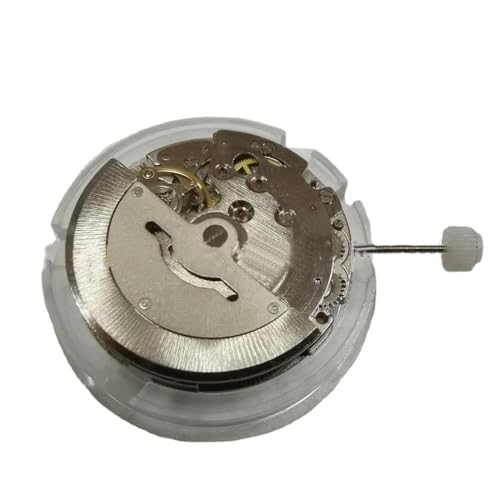
Examine the movement by removing the case back. A Gruen can feature various calibers, most commonly the 410 or 440 series. Each movement has distinctive features; thus, familiarize yourself with these to differentiate between models.
Next, analyze the dial design, which often reflects specific styles of its production period. For instance, Art Deco designs are prevalent in pre-war models, while post-war variations lean towards streamlined aesthetics. Pay attention to the markings and logos, as alterations may indicate aftermarket changes.
Lastly, evaluate the strap or bracelet. Original Gruen bands can add significant value, while replacements may detract from it. Authentic materials and designs are crucial indicators of a genuine piece.

Identifying the Age of a Gruen Timepiece
Consult the case back of the piece; many Gruen models feature a serial number stamped on it. This number can provide valuable insights into the manufacture date. Gruen typically used a consistent format, and understanding this can help narrow down the production year.
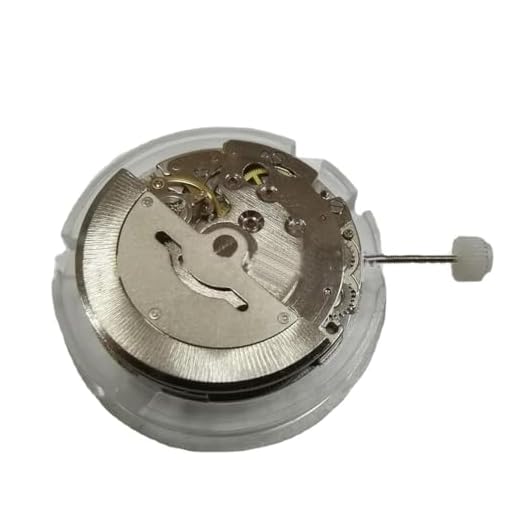
Examine the movement mechanics; specific calibers were produced during certain periods. Research the movement number you find, as this correlates with different eras of production. Notably, the caliber 440 is linked to the late 1950s, while the 333 relates to earlier decades.
Inspect the dial for unique characteristics. Certain details such as font style, logo placement, and coloring can indicate a specific time frame. For example, the “Gruen” name was often placed above the 12 o’clock mark in earlier models and later shifted to a more centered position.
Check for any inscriptions on the case or accompanying papers. These can provide clues regarding the original purchase date or model series, further aiding in determining its chronological context.
Engage with online resources or enthusiast forums. Communities dedicated to vintage horology often share insights and databases that can assist in establishing the timeline of specific model releases.
Identifying the Model and Features
Begin with the case back. Examine for a model number–typically engraved inside. Use this number as a reference to pinpoint the specific design and production year. Each model carries unique characteristics linked to its release era.
Key Features to Check
Pay attention to distinct features such as:
- Dial style: Look for variations in markers, numerals, and hands.
- Crown type: Different models feature various crown designs influencing functionality.
- Material: Steel, gold, or other materials indicate specific production years and styles.
Using a Reference Table
To aid in identification, refer to the following table that highlights notable models and their features:
| Model | Production Year | Distinctive Features |
|---|---|---|
| Patrician | 1920s | Slim case, Arabic numerals, enamel dial |
| Curvex | 1930s | Rectangular design, integrated lugs |
| Airman | 1950s | Sub-seconds, oversized crown, pilot style |
When armed with this detailed information, confidently decipher each piece’s origin and value through careful examination of these elements.
Examining the Watch Movement
Focus on the movement type to assess authenticity. Gruen utilized various calibers, predominantly from Swiss manufacturers. Most models feature manual or automatic mechanisms, identifiable by engravings on the movement’s plate.
Identifying the Mechanism
Look for distinctive markings and serial numbers on the movement. Typical Gruen designs include the 440, 460, and 480 calibers. These figures often appear near the balance wheel or under the rotor in automatic models. Compare these with reference materials to validate their origins.
Assessing Condition and Service History
Inspect for signs of wear and previous servicing. A well-maintained mechanism operates smoothly without grinding or excessive play in the gear train. Check the lubrication; adequate oiling is crucial for optimal performance. Documentation of service history enhances credibility, especially for vintage examples.
Decoding the Case Back Information
To interpret the inscriptions found on the reverse side of the timepiece, assess the following components to gather insights on its manufacturing details and specifications:
- Manufacturer’s Logo: Recognize the specific emblem or design, which often indicates the authenticity and the era of production.
- Model Number: Check for a clearly etched model reference. This can provide critical data regarding variants and characteristics.
- Serial Number: A series of digits can suggest the build year. Cross-reference with known timelines for accurate identification.
- Water Resistance Information: Look for markings indicating water resistance levels. This affects both functionality and rarity.
- Material Indication: Specifications for the casing material (such as stainless steel or gold) are usually noted. This contributes to valuation.
- Country of Manufacture: Often inscribed, this detail reveals where the piece was produced, adding to its historical context.
Document these details systematically. Utilizing reference guides or databases may aid in determining precise production years and design features. Compare findings with other verified examples to enhance accuracy in identification.
Researching Production Years
Identify the specific production years through meticulous examination of references and databases. The Gruen Company has maintained a historical record of many models, making it easier to pinpoint manufacturing dates based on serial numbers and model details.
Utilizing Serial Numbers
Locate the serial number, usually found on the casing or movement. Use online databases or horological resources that specialize in Gruen timepieces to match these numbers with their corresponding production years. Different periods have unique serial number ranges, revealing valuable insights about the era of manufacture.
Consulting Collectors’ Guides
Refer to collectors’ guides and catalogs that focus on Gruen’s history. These publications often contain charts and timelines that categorize various models and their production periods, enabling a more precise identification process.
Consulting Gruen Watch Collectors and Resources
Connecting with dedicated collectors and enthusiasts is invaluable. Online forums such as Watchuseek and the Vintage Watch Forums offer a platform to exchange insights, ask questions, and share experiences regarding these timepieces. Joining Facebook groups focused on vintage horology can also enhance knowledge through shared photos and collective analysis.
Books and Publications
Consult authoritative books that specialize in American watchmaking, specifically those that cover the history of prominent brands. Works like “American Pocket Watches” by Christopher M. H. H. Meis can provide extensive information on production timelines and variations. Articles in horology magazines and periodicals frequently feature collector interviews and insights that can shed light on model identification and characteristics.
Watch Shows and Conventions
Attending watch shows and conventions presents an opportunity to meet experts and fellow collectors face-to-face. Events such as the LA Watch Show or Windup Watch Fair allow for direct interaction, where one can seek advice and potentially view timepieces from different eras. Networking in person often leads to uncovering hidden resources such as rare documentation or private collections.



