Ethan Cole

Begin by examining the case. Authentic pieces typically feature a distinctive serial number engraved on the back, which can help determine the production year. Check the craftsmanship; the metal should exhibit quality detailing and a smooth finish. Pay attention to the positioning and alignment of the dial components, as discrepancies may indicate a replica.
Next, evaluate the movement. Many original models contain a manual or automatic mechanical mechanism, identifiable through a clear case back if applicable. Ticking sounds from quartz types differ significantly; ensure you recognize the kind of movement present. Research known serial number patterns to assist in verifying the originality.
Research is paramount. Consult watch forums and collector websites for insights on pricing and market trends. Gather information on previous sales to set realistic expectations. Connecting with fellow enthusiasts may yield valuable tips and potential leads on reputable sellers.
Inspect the provenance of the item. Documentation such as purchase receipts or servicing records can enhance authenticity. Provenance plays a crucial role in value; any history tied to the piece strengthens its appeal. If purchasing online, seek sellers with strong reputations and return policies.
Lastly, trust your instincts. If something feels off or the price seems too good to be true, pause and reevaluate. Knowledge and caution are your best allies in ensuring the integrity of your potential acquisition.
Identifying the Era of Your Hampden Timepiece
Review the serial number located on the case back or movement plate, as it provides a direct clue to the manufacturing year. The Hampden company typically used a serial number system that can help pinpoint the production dates. An online database or reference book can be invaluable in this situation, offering a detailed breakdown of serial numbers corresponding to specific years.
Examine the movement design and type. Early models, especially those from the late 19th to early 20th century, often feature intricate engravings, whereas later pieces may have a more simplified design. Distinct characteristics in craftsmanship can indicate the time period and change in production techniques.
Consult period catalogues or advertisements which illustrate variations in styles and case materials over the decades. This visual reference can assist in dating the model based on its aesthetic attributes. Pay attention to the finishing, dial layout, and type of hands as these elements also evolved through different eras.
Check the case material, which can provide insight into the watch’s age. For example, gold-plated cases were more prevalent in earlier models, while stainless steel gained popularity following the 1920s. This shift in materials can narrow down the timeframe significantly.
Research any additional markings or signatures on the watch face or case. These can indicate collaborations or special editions that may have unique dating characteristics. Often, limited editions or special engravings celebrate certain anniversaries or milestones, which can further assist in determining the time of manufacture.
Engage with collector forums and social media groups dedicated to vintage timepieces. Fellow enthusiasts can offer anecdotes or insights based on their experiences, which may include information on specific models and their production timelines.
Identifying the Model Number for Accurate Dating
Locate the model number on the case back or the movement. This number is crucial for establishing the timeframe of production and should typically consist of several digits.
Steps to Find the Model Number
- Remove the case back carefully, if necessary, using appropriate tools.
- Inspect the movement for inscriptions; the model number is often engraved here.
- Check for additional markings, such as the manufacturer’s name, which can aid in verification.
Resources for Verification
- Utilize online databases or forums dedicated to horology for cross-referencing model numbers.
- Consult vintage watch catalogs or official brand archives for historical context.
- Engage with watch communities; enthusiasts can offer insights based on similar models.
By identifying the model number accurately, one can gain insights into the era and design features, enhancing the understanding of the timepiece’s significance.
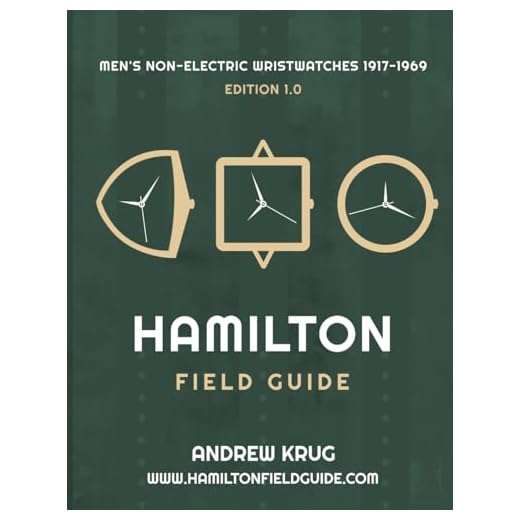
Understanding Hampden’s Production Timeline
The production timeline of the Hampden manufacturing company is crucial for pinpointing specifics related to individual timepieces. Each model produced corresponds to a unique period that is documented, aiding in the identification process.
Hampden operated primarily during the late 19th and early 20th centuries. Significant dates include:
| Year | Event |
|---|---|
| 1877 | Company founded in Springfield, Massachusetts. |
| 1888 | Introduced initial lines of pocket watches. |
| 1906 | Started producing wristwatches, adapting to market trends. |
| 1920s | Expanded selection, gained prominence for quality timepieces. |
| 1930 | Last production year before closing down due to economic shifts. |
Each piece produced between these years showcases distinct features, indicating the timeframe of manufacture. Early models typically reflect Victorian influences, while those from the 1920s embody Art Deco aesthetics.
Utilizing resources like production records or catalogs can further refine the understanding of each specific timepiece based on its production characteristics.
Examining Movement Type to Determine Age
Identifying the movement type is key to uncovering the age of a vintage timepiece. In general, Hampden timepieces utilized both manual and automatic movements throughout their production. If the mechanism is manual, this often indicates a model from the earlier years, typically before the 1950s, as automatic movements became more prevalent in later models.
Key Features of Movements
Manual movements are characterized by a winding crown, allowing the wearer to wind the watch regularly. Observe the movement’s engraving for key identifiers. Early models typically display less intricate details and fewer jewels. In contrast, more advanced movements from the mid-20th century feature enhancements such as increased jewel count and improved materials.
Automatic Movements
Automatic movements usually present a rotor, which moves with the wearer’s wrist motion. These models often indicate a production date in the late 1950s or later. Check the design of the rotor and any engravings, as styles and inscriptions changed significantly over the decades.
To assist in your evaluation, consider consulting movement databases or horological references specific to the brand. These resources often provide essential information on typical movement characteristics and their corresponding production eras.
Analyzing Case Back Markings and Serial Numbers
Examine the case back closely for unique markings, which provide valuable clues about the manufacturing period. Common engravings include trademarks, material specifications, and sometimes the model designation.
Pay attention to the serial number, often stamped on the case back or between the lugs. This number can reveal the approximate production year. Cross-reference the serial number with known databases or resources to accurately determine the production timeline.
Another aspect to explore is the presence of any hallmarks or engravings that may suggest the origin of the materials used, which can further assist in establishing the authenticity and era of creation.
Keep in mind that variations in markings can indicate different production runs or special editions, which will enhance understanding of the piece’s history. Thoroughly documenting these findings aids in building a comprehensive profile of the timepiece.
Researching Vintage Catalogs and Resources
Consulting vintage catalogs is a foundational step. Look for original advertising materials or official company publications from the early 20th century. References often include detailed descriptions, photographs, and model information, which are invaluable for verifying the authenticity of a specific timepiece.
Online resources are abundant. Websites dedicated to horology may house digitized archives of historical catalogs. Utilize databases from collector forums or museums specializing in timepieces to access rare documents and images that pertain specifically to your model.
Books focusing on horological history frequently contain insights on production details, including timelines and marketing strategies. Prioritize titles by reputable authors in the field to enhance your research base.
In addition to printed materials, consider joining collector societies. Membership provides access to newsletters, special events, and networking opportunities with fellow enthusiasts who might share unpublished information or resources relevant to their vintage timepieces.
Attend watch shows and auctions, where you can encounter experts. Engaging in discussions can yield knowledge not easily found elsewhere, including insights into rarity and valuation.
Utilize social media. Join groups or follow pages that focus on vintage pieces, allowing for real-time information sharing and access to a community of passionate collectors.
Lastly, ensure to document any data you uncover. Create a log of sources referenced, model specifics, and any connections made during your research. This archive will enhance future inquiries and assist in building a comprehensive understanding of the intricacies surrounding your selection.
Consulting with Watch Experts for Verification
Engage with certified horologists who specialize in vintage timepieces for reliable assessments. Their expertise can provide insights into authenticity, age, and craftsmanship. Look for professionals affiliated with recognized watchmaking organizations, as their qualifications reflect a commitment to excellence.
Schedule an appointment for a detailed evaluation; many experts offer services such as disassembly and meticulous inspection of internal components. This process helps verify originality and may uncover specific details relevant to the model.
Reputable appraisers often maintain databases of known models and their respective features, aiding in accurate identification. They can compare your piece with documented examples, confirming its place within production history.
Consider documenting the consultation with photographs and written assessments, as these records can enhance future resale potential. Additionally, obtaining a professional appraisal can assist in insurance coverage, safeguarding your investment.
Join online communities or forums where enthusiasts share experiences and recommendations for trustworthy experts. This can lead you to professionals who are passionate about vintage pieces and committed to their preservation.