
 Ethan Cole

Assess the clasp mechanism carefully. Many closures feature a simple fold-over design or butterfly link that may require gentle pressure or a straightforward twist to engage. If stubbornness persists, examine for any visible obstructions or misalignments that can impede movement.
Check for wear and tear. Over time, materials may degrade or components might misalign. Replace damaged pins or links to restore functionality. This often entails visiting a local jeweler who specializes in repairs for intricate accessories.
For stuck components, applying a small amount of lubricant designed for delicate mechanisms can prove beneficial. Use it sparingly to avoid any excessive residue that could attract dirt. After application, test the action of the clasp multiple times to ensure smooth operation.
Regular maintenance is crucial for longevity. Clean the closure periodically with a soft cloth to eliminate dirt and oils. A well-maintained item will operate seamlessly, allowing for ease of use without the frustration of malfunction.


Repairing a Timepiece Fastening Mechanism
Inspect the clasp for any visible damage or debris obstructing its function. Clean the area with a soft brush or cloth to remove dust and dirt.
If the mechanism isn’t functioning properly due to a mechanical issue, try the following steps:
- Gently manipulate the closure with your fingers to see if it can be reset or repositioned.
- Look for a small screw or pin that may need tightening. Use an appropriate screwdriver to secure it.
- If components are misaligned, carefully reassemble them to ensure a snug fit.
For those with a metal band, consider examining any links that may be stuck or bent. Use pliers to adjust any warped links gently.
If the mechanism appears more complex, consult a professional for assistance. They possess the right tools and expertise to address intricate issues without damaging the accessory.
Regular maintenance can extend the lifespan of the attachment and prevent future complications. Ensure to periodically check the clasp’s functionality and clean it as necessary.
Identifying Common Issues with Watch Locks
Inspect the clasp for signs of damage or wear. Look for cracks, bent components, or rust that may hinder functionality.
Listen for unusual sounds when manipulating the fastening mechanism. Squeaks or grinding noises indicate that dirt may be lodged inside.
Check alignment. Ensure the parts fit together smoothly, as misalignment can lead to difficulty during engagement and disengagement.
Examine the spring mechanism. If it feels loose or doesn’t fully retract, it may require cleaning or replacement.
Assess the tension. A clasp that’s too tight or too loose can cause inconvenience or malfunction.
- Inspect the hinge points for friction.
- Look for any obstructions in the latch area.
- Verify the integrity of any screws holding the clasp components.
Test the operation in different temperatures. Extreme heat or cold can impact component behavior, affecting its ability to secure.
Lastly, observe how it interacts with the strap material. Some materials may wear down the fastening over time, necessitating periodic replacement.
Tools Required for Lock Repair
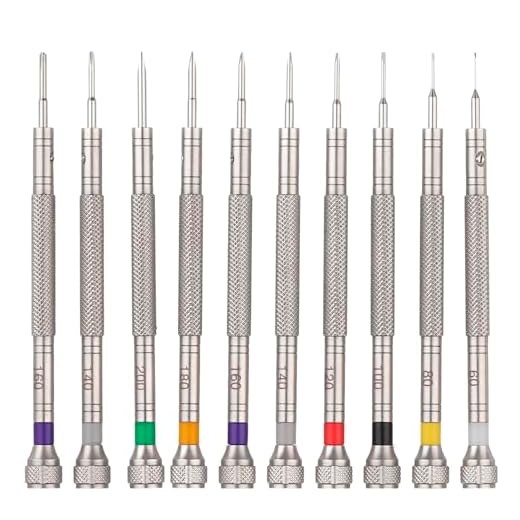
Utilize a fine screwdriver, specifically a Phillips or flathead, based on the type of screws involved. Needle-nose pliers aid in gripping small components with precision. A spring bar tool is invaluable for removing and adjusting pins that connect straps or bands to the casing.
A soft cloth prevents scratches on surfaces during the repair process. Magnifying glass or jeweler’s loupe enhances visibility of intricate details, allowing for more accurate work. A small plastic or wooden pry tool can assist in separating components without causing damage.
Use a watchmaker’s hammer for carefully tapping parts into place without excessive force. A metal tweezers set is necessary for handling tiny screws or springs that can easily slip through fingers.
Consider having a cleaning solution specifically designed for watches, aiding in the maintenance of components. Finally, a workbench with adequate lighting provides a comfortable and organized environment to ensure meticulous attention to detail while performing repairs.
Step-by-Step Guide to Adjusting the Lock Mechanism
Begin by gathering your tools: a small screwdriver, pliers, and a soft cloth for protection. Ensure that the timepiece is clean and free of dust.
Next, locate the mechanism that secures the strap. It’s usually found on the underside of the clasp. Using the small screwdriver, gently loosen the screws without completely removing them. This allows better access to the adjustment features.
Carefully lift the clasp to expose the inner locking mechanism. Inspect for any signs of wear or damage. If parts seem misaligned, gently manipulate them back into their correct position using the pliers.
If the clasp has a sliding mechanism, identify the adjustment holes. Depending on your preference, move the pin to a different hole for a tighter or looser fit. Tighten the screws once you’ve found the desired position.
After adjustment, test the mechanism several times to ensure it engages smoothly. Pay attention to any sticking points or sounds that might indicate an underlying issue.
Finally, reattach the strap securely to the casing, and clean the exterior with the soft cloth. Ensure everything is seated properly, and your piece is ready for use.
Troubleshooting Persistent Lock Problems
Inspect the mechanism for dirt or debris; clean gently with a small brush or cloth. Ensure all moving parts are lubricated using appropriate oil for precision instruments.
Check for misalignment by squeezing the clasp while observing its motion. If it’s uneven, adjust screws or replace the clasp entirely.
Verify if the locking teeth are worn. If damaged, consider replacing the component to restore functionality.
Assess the spring tension; if it feels weak or is excessively tight, replacing the spring may solve persistent issues. Use a scale to ensure the spring matches originals.
Examine for corrosion that might hinder performance, especially in humid environments. Use vinegar or a specialized cleaner to remove buildup.
If the issue continues, consult a professional who specializes in timepiece repair for advanced diagnostics and service.
| Issue | Symptoms | Possible Solution |
|---|---|---|
| Dirt or Debris | Clasp doesn’t close securely | Clean mechanism |
| Misalignment | Uneven clasp operation | Adjust screws or replace clasp |
| Worn Teeth | Difficulty locking | Replace locking teeth |
| Weak Spring Tension | Clasp opens easily | Replace the spring |
| Corrosion | Stiff operation | Clean with vinegar or specialized cleaner |
Maintenance Tips to Prevent Future Lock Issues
Regularly clean the fastener mechanism using a microfiber cloth to remove dust and debris that can impede functionality.
Apply a small amount of lubricant specifically designed for metal parts. This helps in ensuring smooth operation, and prevents wear over time.
Inspect the alignment of the fastening mechanism periodically. Misalignment can lead to accidental disengagement or issues in securing the device properly.
Avoid exposing the strap and closure to excessive moisture, especially in environments where water can easily get trapped, which may cause rust or corrosion.
Store the accessory in a dry, safe place when not in use. This minimizes the risk of damage from impacts or environmental factors.
Consider having the attachment examined by a professional at regular intervals, especially if there are any noticeable signs of wear or malfunction.
Be mindful of how you handle the accessory during daily activities. Sudden movements or impacts can lead to unexpected problems with the securing mechanism.
Replacing the strap or closure at signs of significant wear can prevent potential failure and enhance the longevity of the entire piece.
FAQ:
What are the common reasons why a wrist watch lock might break?
The wrist watch lock can break for several reasons. One common issue is wear and tear from regular use, which can weaken the materials over time. Another reason can be improper sizing or adjustment, leading to unnecessary stress on the lock mechanism. Additionally, if the watch is exposed to excessive moisture or debris, it may cause corrosion or blockage that affects the lock’s functionality.
Can I fix a broken wrist watch lock myself, or should I take it to a professional?
If you have experience with small mechanical repairs, you might be able to fix a simple wrist watch lock at home. Basic repairs could involve tightening screws or replacing a spring. However, if the damage seems complex or if you are unfamiliar with watch mechanics, it is advisable to take it to a professional watchmaker. They have the right tools and skills to avoid further damage and ensure a proper repair.
What tools do I need to repair a wrist watch lock?
To repair a wrist watch lock, you typically need a few basic tools. A small screwdriver set is essential for removing screws from the watch. You may also require pliers for gripping small components and tweezers to handle tiny parts without dropping them. Additionally, a magnifying glass can help you see the intricate details of the mechanism. If replacing the lock entirely, having a replacement part ready is crucial.
What steps should I follow to replace a wrist watch lock?
To replace a wrist watch lock, first, carefully remove the watch bracelet from the watch case using a screwdriver to take out any pins or screws holding it in place. Next, detach the broken lock from the bracelet. Align the new lock with the bracelet and secure it using screws or pins. Once attached, reattach the bracelet to the watch case, ensuring that everything is secure. It’s wise to test the lock multiple times before wearing the watch to confirm that it functions properly.


