
 Ethan Cole

If a timepiece is too tight, apply a gentle yet firm pressure to slide it. Start at the clasp; pushing inwards may create enough space for movement. If discomfort persists, lubricate the area with a small amount of soap or lotion to ease the process.
When manual removal fails, utilize a plastic card or thin piece of material to create leverage. Insert it between the skin and the accessory; this can help to loosen it without causing harm. Wiggle the card gently to encourage a shift.

In case of swelling, a cold compress or ice pack can alleviate inflammation. Wrap it around the area for several minutes, as this may reduce the size of the wrist, making it simpler to remove the item.
If DIY methods do not work, seek assistance from a jeweler or professional. They possess specialized tools to safely detach the accessory without inflicting damage.
Assess the Situation: Determine Why the Timepiece is Trapped
Begin by observing the fit of the accessory. If it feels too tight, swelling may be the cause due to heat or physical activity. In such cases, cooling down or elevating the arm can help reduce swelling, making it easier to slide off the item.
Next, inspect the clasp mechanism. Sometimes, the fastening may be caught in a way that prevents removal. Manipulating the clasp gently can often release the tension. If the closure is damaged or jammed, consider using a small tool like a flathead screwdriver to gently disengage it, being careful not to apply excessive force.
Evaluate Environmental Factors
Consider the environmental influences affecting comfort. Humidity or temperature fluctuations can impact body size. If the climate is warm, try to find a cooler space, as this might alleviate the tightness.
Check for Physical Constraints
Assess if anything has become entwined with the strap, such as fabric or hair. Any foreign object could hinder the removal process. Carefully detangle any obstructions to facilitate a smoother exit.
Try the Soap and Water Method to Loosen the Timepiece
Blend a small amount of liquid soap with lukewarm water in a bowl. Immerse the concerned area, allowing the soap mixture to penetrate any residual moisture or debris. This lubrication can be pivotal in easing the pressure around the skin and securing accessory.
Application Steps
Moisten a cloth with the soapy solution and gently rub it around the edges of the band. Ensure the area beneath the jewelry is also treated. Allow a minute for the soap to act; it may reduce friction significantly.
Caution
Be careful not to saturate any openings or intricate sections of the accessory with excessive liquid. After the application, dry the surface thoroughly to prevent any slips while maneuvering the piece.
Utilize a String or Dental Floss to Slide the Timepiece Off
Take a piece of string or dental floss, approximately 18 inches long. Slip one end underneath the accessory, creating a loop. This loop should be snug but not tight against the skin.
Next, thread the string or floss through the gap between the skin and the band of the item you are trying to remove. The goal is to push the loop around the base, which will create leverage when pulling.
Pulling Technique
Gently pull on the string or floss while simultaneously wiggling the body of the timepiece. This motion helps to gradually create space around the skin. Maintain steady pressure on the floss as it guides the piece along the arm.
Final Steps
Once the accessory begins to move, continue to pull the string or floss until it is free. If necessary, adjust the angle or the position of the loop to increase comfort and ease of removal. This method is particularly advantageous when other methods have not yielded results.
Use Lubricants: Applying Oils or Lotions for Better Movement
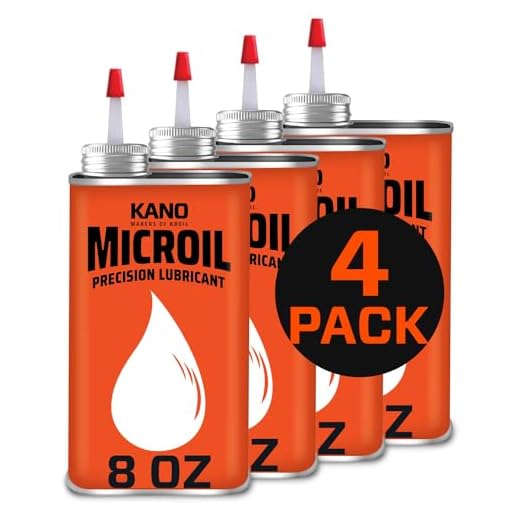
Applying a small amount of lubricant can facilitate the removal process. Choose a light oil, such as baby oil or mineral oil, which can reduce friction. Ensure the area around the strap is clean before application. Use a cotton swab or your fingers to carefully apply a few drops around the affected area, focusing on the points of contact between the strap and skin.
If using lotions, select a non-greasy variant to avoid residue. Apply a thin layer to ensure it penetrates the tight spaces without making a mess. Allow the lubricant a few moments to work into the stubborn areas, loosening the grip without causing irritation.
After waiting a minute or two, gently wiggle the accessory back and forth while applying a slight pulling motion. Avoid jerky movements, as they may cause discomfort. If resistance persists, repeat the lubrication process until the desired mobility is achieved.
Seek Professional Help: When to Consult a Jeweler or Watch Repair Specialist
Engaging a jeweler or watch technician is advisable in specific situations. If initial methods prove ineffective, consider professional assistance.
Indicators for Professional Intervention
- Persistent refusal of the timepiece to move, even after applying different techniques.
- Presence of signs indicating possible damage, including cracked glass or broken links.
- Sensitivity or swelling of the skin under the band, suggesting potential medical concerns.
- Complicated jewelry design that might complicate removal without proper tools.
- Lack of confidence in performing any further manual attempts due to risk of injury or damage.
What to Expect from a Jeweler or Technician
- Assessment of the underlying issue without additional stress to the wrist.
- Access to specialized tools designed for safely detaching the accessory.
- Recommendations for repairs, adjustments, or alternative solutions if damage is present.
- Advice on how to prevent recurrence based on the nature of the problem encountered.
Involving an expert can save time and prevent further complications. Trusting a trained professional ensures the highest level of care for both the accessory and the wearer.
FAQ:
What are some tips for removing a stuck watch from my wrist?
If your watch is stuck, try applying some lubricant, like soap or oil, to the wrist area where the watch is. This can help reduce friction. You might also gently twist the watch back and forth to loosen it. If these methods don’t work, consider running your wrist under warm (not hot) water to help relax your skin. Always be cautious and gentle to prevent injury.
Is it safe to use tools to help get a watch off my wrist?
Using tools can be risky because they can damage your skin or the watch itself. If you decide to use tools, opt for something soft and non-intrusive, like a plastic or rubber spatula. Gently work it between your wrist and the watch to create space. Make sure you don’t apply too much pressure, as this could lead to injury. If you are unsure, it might be best to consult a professional.
What should I do if the watch is really stuck and I can’t get it off?
If the watch is firmly stuck and standard methods don’t work, it may be time to seek help from a jeweler or watch repair professional. They have the right tools and expertise to remove the watch without causing harm to your wrist or the watch itself. If immediate assistance isn’t available, keep your wrist elevated and avoid any movements that might aggravate the situation until you can get proper help.



