
 Ethan Cole
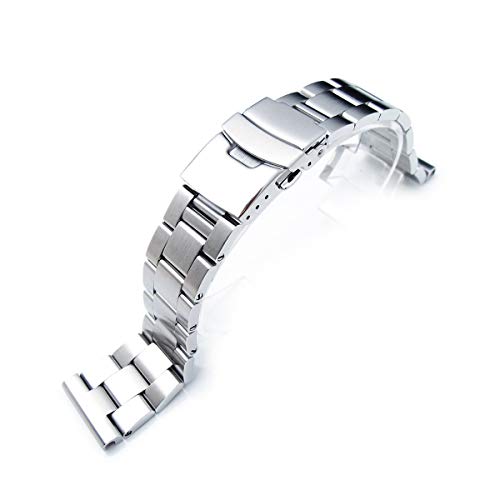
Begin with a flexible measuring tape, wrapping it snugly around the circumference of your lower arm, just above the bony protrusion. Ensure that the tape isn’t too tight; a comfortable fit allows for accurate readings.
If a measuring tape isn’t accessible, a piece of string can serve as a reliable alternative. Loop it around the same area, mark the intersection, then lay it flat against a ruler to determine the length. This approach yields precise results when done carefully.
When testing, consider potential thickness variations due to temperature and daily activities. Having a small tolerance in your measurements can prevent discomfort and ensure a relaxed fit.
If customizing a strap, always check compatibility with different styles. Standard sizes can vary, so verifying manufacturer specifications before purchasing is advisable. This diligence will save time and enhance the wearing experience.
Accurate Sizing for a Timepiece Strap
Use a flexible measuring tape for precision. Wrap it snugly around the area just above the bone, where a band would typically rest. Ensure no slack or tightness; it should comfortably hug without pinching.
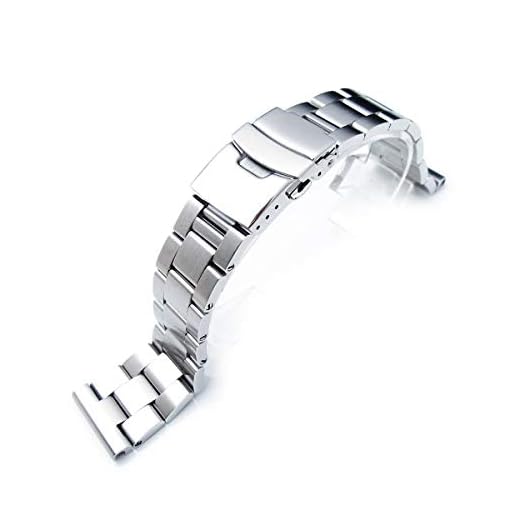

Choosing the Right Measurement Technique
If a measuring tape is unavailable, utilize a piece of string or paper. Mark the spot where the string or paper overlaps, then measure this length with a ruler. This alternative method provides a reliable measurement for selecting a strap.
Adjustments for Comfort
<p.Add an extra 1-2 cm to your measurement for comfort, especially if you prefer a looser fit. Ensure the overall circumference aligns with the options available for new straps, considering different styles might fit differently.
Choosing the Right Measuring Tool for Precision
A flexible measuring tape is ideal for obtaining accurate circumference readings. This tool conforms to the body’s shape, ensuring precision. When utilizing a tape, ensure it is neither too tight nor loose; a snug fit will yield the best results.
Alternately, string or ribbon can serve as a substitute. Wrap it around the desired area, marking the point where the two ends meet. Measure the length of the string with a ruler for an accurate circumference figure.
| Tool | Benefits | Considerations |
|---|---|---|
| Flexible Measuring Tape | Conforms to shapes, easy to read | Requires careful handling to avoid stretching |
| String/Ribbon | Readily available, simple to use | Must be measured accurately after use |
| Calipers | Provides exact measurements | May be cumbersome for some users |
Calipers offer precise readings but may require finesse to operate effectively. Choose a tool that aligns with comfort and accuracy preferences to ensure optimal results. Avoid distractions during the measuring process to guarantee consistency in results.
Step-by-Step Guide to Measuring Your Wrist Size
Use a soft measuring tape for accurate results. If unavailable, a piece of string works as an alternative.
Wrap the tape around the narrowest part of your arm, usually just above the bone. Ensure it fits snugly but not too tight. If using string, mark where it overlaps.
Lay the string flat against a ruler to get the exact length in centimeters or inches. Repeat the process a couple of times for consistency.
Record your measurement, and consider adding 0.5 to 1 inch for comfort, especially if choosing a fitted style.
Repeat this method if you suspect a variance in your results, as accurate sizing ensures a proper fit.
Understanding Wrist Circumference and Band Size Relationship
To achieve optimal comfort, factor in that a close correlation exists between circumference dimensions and the corresponding size of your accessory. Selecting the correct fit ensures not just aesthetic appeal, but overall wearability. A well-fitted strap snugly embraces around the lower arm, preventing undesired movement while allowing for breathability.
Standard Sizing Guide
Typical measurements often translate into standard sizes, which vary amongst brands:
- Small: 5.5 – 6.5 inches (14 – 16.5 cm)
- Medium: 6.5 – 7.5 inches (16.5 – 19 cm)
- Large: 7.5 – 8.5 inches (19 – 21.5 cm)
- Extra Large: 8.5 – 9.5 inches (21.5 – 24 cm)
Customized Fit Considerations
Different styles and materials can also influence how snug a strap fits:
- Leather bands may stretch over time, while metal types allow for intricate adjustability.
- Consider personal skin type; some materials may cause irritation if too loose or tight, affecting overall comfort throughout the day.
Selecting the right fit promotes satisfaction, proving that understanding the relation between your dimensions and the size choice is key to enjoying your accessory fully.
Common Mistakes to Avoid When Measuring Your Wrist
Many individuals underestimate the importance of taking accurate dimensions. One frequent error is neglecting to account for the thickness of materials or padding from clothing. Ensure that measurement is conducted directly against skin for precise results.
Another common oversight involves using incorrect tools. Relying on rigid instruments like metal rulers can lead to inaccuracies. Opt for flexible measuring tape or a piece of string that conforms to curves and shapes.
Failing to check multiple times is a significant mistake. Taking only one reading increases the possibility of errors. Aim for three independent readings and calculate the average for added accuracy.
Not considering personal comfort can result in an unsatisfactory fit. A size that feels snug might be too tight after extended wear. Include a small allowance in your findings to account for comfort and movement.
Ignoring recent changes in body size is another misstep. Weight fluctuations or changes in lifestyle may affect dimensions. Always check prior to making a purchase, especially after noticeable lifestyle adjustments.
Don’t dismiss the effect of swelling. Circumstances like heat, exercise, or salinity can alter measurements. It’s wise to conduct measurements at various times of the day to ensure consistency.
Lastly, make sure that the measuring tape is parallel to the ground. Twisting or tilting the tape can lead to a larger or smaller reading than reality. Maintaining a level position is critical for accurate results.
Accounting for Timepiece Thickness in Sizing
Prioritize the case height of your accessory when determining the fitting. A timepiece with substantial thickness may require adjustments to avoid discomfort. Measurement should include the height from the case back to the top of the crystal.
Incorporating Thickness into Your Fit Calculation
When selecting a closure size, consider adding an extra millimeter or two to your circumference measurement. This allowance compensates for bulk and ensures that the item sits comfortably on your limb without causing pinching or pressure.
Diverse Styles and Their Influence on Fit
Different designs can impact how a timepiece wears. For instance, a bulky design may feel tighter than a slim model, even with the same size adjustment. Always account for how the item sits relative to your skin, adjusting sizing as necessary based on its profile.
Adjusting Strap Length for Optimal Comfort
To achieve a perfect fit, aim for a snug but comfortable feel without pinching or excessive movement. Follow these guidelines:
- Start by determining your ideal strap length based on previous measurements.
- Adjust using the available holes on the strap until you find the most comfortable position.
- Consider the thickness of the material; thicker bands may require slightly more room.
- Test the fit throughout the day, as swelling or changes in body temperature may affect comfort.
For a more customized fit:
- If possible, try on the strap with an additional weight, simulating the watch’s presence.
- Ensure the strap sits just above the bone of your wrist for optimal stability.
- Pay attention to any excessive movement; the accessory should not slide too freely.
Periodically reassess the fit, as lifestyle changes or variations in body size can influence comfort levels. A well-fitted accessory enhances both usability and style.


