
 Ethan Cole

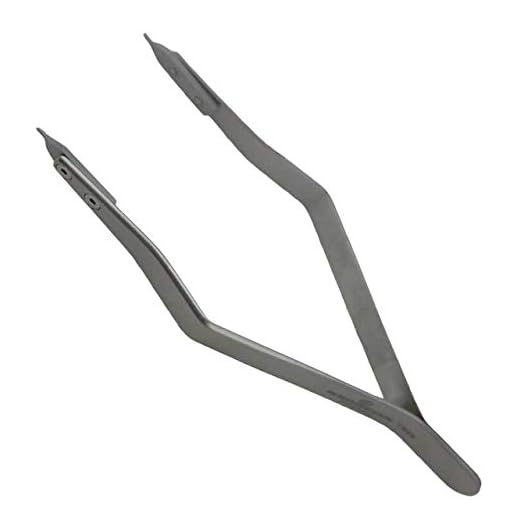
Align the spring bars with the holes on the case lugs. Insert a small tool into the slot of the spring bar and compress it, allowing one end to fit into the lug. Release the tool, ensuring the bar clicks into place securely.
Repeat this process on the opposite side of the case. After both ends are secured, gently pull on the strap to confirm it’s firmly attached. If needed, adjust the length of the band using extra links or removing links, depending on your preference for fit and comfort.

Always handle with care to avoid damaging the case or the attachment mechanism. Regularly check the attachments for wear and tear, ensuring reliability in your accessory.
Choosing the Right Strap for Your Timepiece
Select a material that aligns with your lifestyle. Leather provides elegance for formal occasions, while rubber offers durability for sports or outdoor activities. Metal links can add a sophisticated touch but may not be ideal for comfort during extended wear.
Size and Fit
Ensure compatibility with the dial’s lug width; this measurement determines the correct strap size. A strap too large or small can affect aesthetics and functionality. Adjustable options can help achieve a perfect fit.
Style and Color
Opt for colors that complement your wardrobe. Classic tones such as black or brown enhance versatility, while bold shades can add personality. Consider texture–smooth finishes convey refinement, while rugged designs bring a casual feel.
Understanding the tools needed for strap attachment
For securely fastening a band to a timepiece, specific tools are essential:
Spring bar tool: This instrument is vital for removing and installing spring bars. It features a forked end for prying and a pointed end for positioning. Look for one with a comfortable grip for ease of use.
Screwdriver set: In cases where screws are used instead of spring bars, a precision screwdriver kit will be necessary. Choose one with interchangeable heads to accommodate various screw sizes.
Pin vise: For those working with smaller parts, a pin vise can securely hold tiny screws or pins when attaching the strap.
Plier: Needle-nose pliers can assist in gripping and maneuvering components while preventing damage during the attachment process.
Magnifying glass or jeweler’s loupe: Enhanced visibility is beneficial when dealing with intricate elements. A magnifying tool allows for precise work, preventing errors.
Soft cloth or microfiber rag: To protect surfaces and avoid scratches on the casing, use a soft cloth beneath the piece during maintenance.
Assemble these items prior to starting the attachment task for a seamless and efficient experience.
Step-by-step guide to attaching the wrist accessory
Align the lug ends of the strap with the corresponding holes on the timepiece. Ensure correct positioning for a seamless fit.
Insert the spring bar
Take a spring bar tool and compress one end of the spring bar. Slide the compressed end into the hole on the strap. Maintain pressure while guiding the other end into the opposite hole on the case.
Secure the strap
Release the spring bar, allowing it to lock into place. Gently tug on the strap to confirm its stability. Repeat on the opposite side to complete the attachment process. Ensure both ends are firmly secured before wearing.
Troubleshooting common strap installation issues
Ensure alignment of connectors and holes. Misalignment can prevent proper attachment. Adjust the strap position until it fits securely in place.
Frequent Problems and Solutions
| Issue | Solution |
|---|---|
| Strap won’t click into place | Check for debris in the connector area. Clean and retry. |
| Excessive looseness after installation | Verify that the strap is the correct size. Consider using a spring bar tool for a tighter fit. |
| Difficulties in removing the strap | Ensure the spring bars aren’t jammed. Use a special tool to gently release tension. |
| Strap detaches unexpectedly | Inspect the condition of the spring bars. Replace if worn or damaged. |
Additional Tips
Avoid over-tightening, as this can damage both the strap and the lugs. Proper maintenance of components will prolong their lifespan and ensure reliability.
Maintaining the wrist strap for longevity
Regular cleaning is key to extending the life of a band. Use a soft, damp cloth to wipe away dirt and sweat after each wear. For leather variants, consider using a leather conditioner periodically to prevent cracking.
Storage plays a significant role; keep your timepiece in a cool, dry place away from direct sunlight. High humidity can cause materials to degrade.
- Avoid exposing the band to harsh chemicals or solvents.
- Remove the accessory before engaging in activities that may cause excessive wear, such as swimming or heavy lifting.
- Consider switching bands regularly to help minimize wear on any single strap.
Inspect regularly for signs of wear, such as fraying or discoloration. If any damage appears, replace it promptly to maintain both functionality and aesthetics.
For metal options, clean with a soft brush to remove dust and keep connectors polished, ensuring a secure fit. Regular maintenance can significantly enhance the lifespan of your chosen accessory.


