
 Ethan Cole
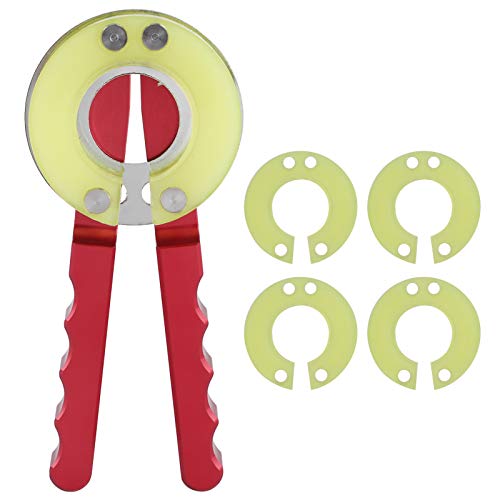
To detach the display of your timekeeping device, begin by locating the small release mechanism, often situated on the case back. This button or lever typically requires gentle pressure to engage, allowing the face to separate smoothly.
Once you’ve activated the release, carefully lift the display away from the casing. It may help to use a plastic separation tool to avoid scratches on the surface. If resistance is encountered, take a moment to check for any screws that might be holding it in place, as some models include additional fastenings.
After the display is free, clean any residue from the casing with a microfiber cloth to ensure it’s ready for reattachment or to switch to a different display. Maintaining the device’s condition enhances both aesthetics and functionality over time.
Tools Required for Detaching the Dial
A set of precise tools is imperative for safely detaching the dial from a timepiece. These include:
Screwdriver Set
A collection of small screwdrivers, particularly Phillips and flathead types, will aid in accessing screws that secure the dial. Opt for ones with magnetic tips to easily handle tiny screws.


Case Back Opener
This tool is designed to help unscrew or pop off the watch case back, giving access to the interior components. Choose a case back opener that matches the type of fastening on your specific model.
Plastic Pry Tools
Utilize plastic pry tools to gently lift the dial away from the movement without causing damage. Metal tools can scratch or dent surfaces.
Tweezers
Fine-tipped tweezers assist in handling delicate parts, ensuring precision while manipulating tiny components during the process.
In addition to these specified items, a clean, well-lit workspace promotes accuracy and reduces the risk of losing small pieces. Having a soft cloth nearby protects surfaces from scratches or scuffs.
Step-by-step guide to removing the watch face
Ensure the timepiece is powered down if applicable. Position it on a flat surface with adequate lighting to facilitate visibility.
Step 1: Access the backing
Utilize a case opening tool to gently pry off the back. Insert the tool into the tiny gap and leverage to lift the cover without damaging the metal casing.
Step 2: Detach components
Employ a pair of tweezers or a small screwdriver to detach any visible clips holding the dial in place. Keep these small parts in a secure location for reassembly.
Step 3: Disconnect hands and movement
Carefully lift off the hour, minute, and second hands using tweezers. Be cautious to prevent bending. Next, remove the movement from the casing by unscrewing any securing screws.
Step 4: Final separation
With the movement disengaged, gently lift the dial. Inspect for any additional clips; if present, unhook them to complete the extraction.
Step 5: Clean and inspect
Once separated, examine all components for wear or damage. Clean the surfaces with a soft cloth to prepare for reinstallation.
| Step | Action | Tools Needed |
|---|---|---|
| 1 | Access the backing | Case opening tool |
| 2 | Detach components | Tweezers, small screwdriver |
| 3 | Disconnect hands and movement | Tweezers, screwdriver |
| 4 | Final separation | None required |
| 5 | Clean and inspect | Soft cloth |
Tips for Safely Handling the Movement
Always work in a clean, well-lit area to minimize the risk of losing small parts. Using a dedicated workspace can significantly reduce distractions and hazards.
Protective Gear
- Wear cotton gloves to avoid fingerprints and oils on delicate components.
- Consider using safety glasses to safeguard your eyes from any sudden movements or small flying objects.
Stability and Security
- Place the timepiece on a soft cloth or mat to prevent scratches and absorb shocks.
- Use a watch holder or cushion to keep the mechanism secure while working.
Ensure all tools are clean and free from debris before use. Check for any wear or damage on tools to avoid potential interference with delicate parts.
Handle parts using tweezers or non-magnetic tools to prevent unintended magnetization and avoid contamination.
Keep parts organized; utilize small containers or trays to separate and label components, making reassembly easier.
Maintain a gentle touch throughout the process. Overly forceful handling may lead to misalignment or irreversible damage.
Consider the environmental conditions–humidity and temperature can affect the operation of the movement. Work in a stable environment to avoid any adverse effects.
Identifying the Watch Type Before Removal
Determining the type of timepiece is essential prior to any disassembly process. Each variation has unique mechanisms and assembly techniques. Follow these guidelines to accurately identify the category:
Common Types of Timepieces
- Quartz: Battery-operated, characterized by precision. Often features a smooth second-hand movement.
- Mechanical: Powered by a coiled spring. These often have a sweeping second hand, indicative of traditional craftsmanship.
- Automatic: A subset of mechanical types. They self-wind through wrist movement, lacking a battery and often requiring careful handling.
- Smart: Digital interfaces with touch screens and various features. They may contain both electronic components and traditional elements.
Visual Indicators
Examine the exterior for specific markers that denote the type:
- Look for battery access points; a hatch indicates quartz engineering.
- The presence of a transparent case back can signal mechanical or automatic designs, allowing observation of the intricate movement.
- Digital displays are clear indicators of a smart device; these often have various functionalities beyond timekeeping.
Understanding these factors assists in selecting appropriate tools and methods, ensuring successful intervention without damage.
Common mistakes to avoid during the process
Ensure that tools are appropriate for the task at hand. Using incorrect implements can lead to damage to your timepiece or injuries.
Neglecting to document the original positioning of components can result in a challenging reassembly later. Take clear photographs of the configuration before initiating the disassembly.
Forgetting to discharge any residual energy can cause movement damage. Always check for a winding mechanism and ensure it is in a neutral state prior to beginning.
Over-exerting force when detaching parts can lead to breakage. Use gradual pressure, and if components resist, reassess for hidden connectors or mechanisms.
Rushing through the process often leads to errors. Allocate sufficient time, and approach each step with care and precision to avoid overlooking crucial elements.
Ignoring the environment can contribute to issues. Work on a clean, well-lit surface to prevent misplacing any small components or causing unintended scratches.
Failing to wear protective gear may lead to accidents. Consider using safety glasses and gloves to safeguard against potential hazards.
Finally, seeking quick fixes instead of professional advice can exacerbate existing problems. When in doubt, consult with a skilled watchmaker for guidance or assistance.
Restoring the Timepiece after Removal
Reattach any protective casing or crystal carefully, ensuring it sits flush without gaps. Verify the seating of the gasket to maintain water resistance. Reinsert the battery, making sure it’s properly aligned and making contact with terminals. For mechanical models, wind the mechanism gently to avoid damaging internal components.
Reassembly Steps
Begin by aligning the movement with the casing. Ensure all screws and components are secured firmly according to the manufacturer’s specifications. Test any functions before completely sealing the enclosure. If applicable, adjust the time and date settings accurately.
Final Checks
Conduct a thorough inspection for any dust or fingerprints on the surface. Utilize a microfiber cloth to gently clean the exterior. Lastly, wear the piece for a brief period to ensure it operates smoothly, confirming that there are no unusual sounds or malfunctions during movement. If issues arise, consult a professional for further assessment.
FAQ:
What tools do I need to remove the watch face from my wristwatch?
To remove a watch face, you typically need a few basic tools, including a watch case opener, a pair of tweezers, and possibly a small screwdriver. The watch case opener helps you open the back of the watch, while tweezers can assist in handling small components. If your watch uses screws to secure the face, a tiny screwdriver will be necessary. Make sure you have a clean surface to work on and a soft cloth to protect the watch from scratches.
Is there a specific technique for removing a watch face?
Yes, the technique can vary depending on the type of watch you have, but there are some general steps. First, carefully remove the watch from your wrist and place it on a soft surface. Use the watch case opener to unscrew or pry open the back of the case. Next, locate the face; if it is secured with screws, remove them gently. Once the screws are out, you can carefully lift the watch face using tweezers. Always be cautious to avoid damaging any internal components or the watch glass.
Can I remove a watch face myself, or should I take it to a professional?
If you have experience with watch repairs and feel comfortable with small tools, you can attempt to remove the watch face yourself. However, if you are unfamiliar with watch mechanics or are concerned about damaging your watch, it is advisable to consult a professional. They have the necessary skills and tools to handle the task without risk to your timepiece. Remember that some watches may have warranties that could be voided if you attempt repairs yourself.
What should I do if my watch face won’t come off easily?
If the watch face is not coming off easily, do not force it, as this could cause damage. Check if all screws are removed and ensure that there are no hidden clips or locks securing the face. Sometimes, moisture or dirt can create a seal. If you suspect this is the case, gently clean the edges with a soft cloth. If it still resists removal, it may be best to seek help from a watch technician to avoid potential damage.
What are some common issues I might encounter when removing a watch face?
Some common issues include stripping screws, damaging the case back, or cracking the watch face during removal. Stripped screws can make it difficult to take off the watch face, while improper use of tools might damage the case. Additionally, if a watch has been in use for a long time, adhesive could be present, making it stick. Patience and the right tools are key to resolving these issues, but when in doubt, consider reaching out to a professional for assistance.



