Ethan Cole

To begin the operation of your self-winding timepiece, simply place it on your wrist and wear it throughout the day. The natural motion of your arm will power the mechanism, ensuring accurate timekeeping. For models that haven’t been worn for an extended period, carefully winding the crown will jumpstart the movement.
When winding manually, turn the crown in a clockwise direction about 20 to 30 times. This action supplies initial energy to the mainspring. After this process, observe the second hand; if it starts to move, the mechanism is ready for action.
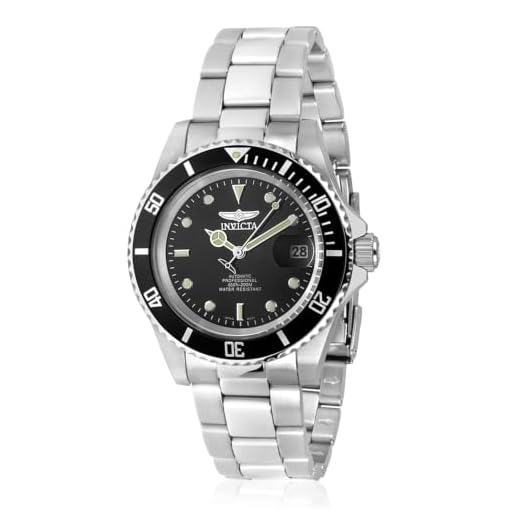


Be mindful of your timepiece’s specifications. Some models feature a power reserve indicator, which alerts you when winding is necessary. Regularly wearing your watch helps maintain its precision and longevity. If you find yourself inactive for prolonged periods, consider utilizing a watch winder to preserve your watch’s functionality.
Activating Your Self-Winding Timepiece
For a self-winding timepiece, a simple wrist motion suffices. First, wear the piece for at least 10 minutes to build sufficient energy through arm movements.
Manual Winding Approach
If the watch has a winding crown, perform the following:
- Locate the crown on the side of the case.
- Gently pull the crown out to the first click position.
- Rotate the crown clockwise 20-30 times to energize the movement.
Regular Usage Tips
To maintain optimal functionality and precision:
- Wear the timepiece consistently to ensure it remains wound.
- Avoid long periods of inactivity; consider using a watch winder if not worn regularly.
- Store it properly in a safe spot to protect against damage.
Understanding the Mechanism of Automatic Watches
To set your timepiece into motion, it’s crucial to grasp the inner workings of its mechanism. A kinetic energy generator, typically a rotor, spins with wrist movement, winding the mainspring and powering the movement.
Key Components and Their Roles
- Rotor: A semicircular weight that rotates as the wearer moves, transferring energy to the mainspring.
- Mainspring: The coiled spring that stores energy and releases it gradually, keeping time.
- Gear Train: Transfers energy from the mainspring to the escapement, regulating the release of energy.
- Escapement: Controls the movement of the gear train, ensuring consistent timekeeping.
Maintenance Tips
- Regularly wear the timepiece to keep the rotor engaged and maintain winding.
- Wind manually if the watch has been inactive for an extended period.
- Service every 3 to 5 years to ensure all components function properly.
Understanding these components allows for better care and longevity of your timepiece. Regular movement and manual winding can prevent issues and ensure accurate timekeeping.
Winding the Timepiece Manually Before Use
To ensure optimal functionality, manually wind the timepiece prior to initial use. Locate the crown, usually positioned on the right side, and gently pull it out to the first position. This allows for manual winding. Rotate the crown clockwise approximately 20 to 30 times. This motion generates energy within the mechanism, allowing for precise timekeeping at the outset.
Signs of Insufficient Power
If the second hand does not move after winding, it indicates a lack of sufficient energy. Continue winding until movement is observed, ensuring the internal parts are adequately charged. Regular manual winding is recommended if the timepiece has not been worn for over 48 hours, as this aids in maintaining functionality.
Cautions While Winding
Never force the crown beyond its limits to avoid damaging the mechanism. If resistance is felt, cease winding immediately. Additionally, avoid adjusting the date or time when the timepiece shows a specific period, typically between 8 PM and 4 AM, to prevent potential damage to the internal gears. Adhering to these guidelines will help maintain the longevity of your timekeeping device.
Setting the Correct Time and Date
Pull the crown gently until you reach the time-setting position. Rotate it clockwise or counterclockwise to set the current time accurately. For most timepieces, ensure you advance the hours past midnight when adjusting AM/PM to avoid misalignment with the date function.
Adjusting the Date
To set the date, pull the crown to the first position. Turn it slowly until you reach the desired date. Be cautious when setting the date near midnight, as doing this may cause damage to the mechanism.
Final Checks
After setting the time and date, push the crown back to its original position. Make sure to wind the crown slightly if it has a manual winding feature to ensure optimal performance. Confirm the date change at midnight to ensure everything is correctly adjusted.
Ensuring Proper Movement through Regular Wear
Consistently wearing your timepiece is key to maintaining its functionality. Aim for a duration of at least eight hours each day to keep the rotor engaged and the gear train moving. This practice encourages the self-winding mechanism, ensuring the mechanism remains charged and operational.
If daily use isn’t feasible, consider using a watch winder. This device simulates wrist movement, allowing the mechanism to wind automatically during periods of inactivity. It’s a practical solution for those who rotate between different pieces.
Frequency of movement affects performance; the more you wear it, the more accurate it will remain. Infrequent use may lead to the mechanism needing manual winding or even service if left untouched for extended periods.
| Wearing Timeframe | Effect on Movement |
|---|---|
| 8 hours/day | Optimal winding; ensures precision |
| Less than 8 hours/day | Potential need for manual engagement |
| Infrequent wear | Risk of mechanical problems over time |
Regular maintenance checks enhance longevity. Schedule periodic inspections to ensure all components function smoothly, especially if the timepiece is worn less often. Always handle your accessory with care to mitigate wear and tear from external factors.
Troubleshooting Common Issues with Automatic Timepieces
For insufficient accuracy, consider giving the crown a few manual turns to energize the mechanism. This step often resolves minor discrepancies in timekeeping.
If the second hand is stuttering instead of gliding smoothly, this indicates the movement may need winding. Repeated gentle wrist motions can also help restore proper motion.
Fading luminosity on the dial typically results from insufficient exposure to light. Ensure the piece is regularly worn or stored in a well-lit area to maintain the brightness of the luminescent materials.
In case of a stopped mechanism after prolonged inactivity, wind the crown fully and wear it for several hours to reinvigorate movement. This can help reactivate the internal mechanisms.
Should a persistent ticking sound occur, it might indicate a need for maintenance. Dust intrusion or lubricant depletion can affect performance, prompting a trip to a qualified technician.
If condensation appears beneath the crystal, immediate assessment is necessary. Remove the piece from moisture and consult a specialist for potential repairs to seal any breaches.
For a misaligned date display, adjust the date after the designated hours to avoid damaging the gear. This will ensure proper functionality without risk to the date-change mechanism.
Caring for Your Automatic Watch for Longevity
Regular maintenance is key to ensuring your timepiece remains in optimal condition. Clean the case and bracelet periodically with a soft cloth to prevent dirt accumulation. Use a gentle soap solution and avoid harsh chemicals that could damage the finish.
Store the timepiece in a cool, dry place away from direct sunlight and magnetic fields. Consider a watch box or case to protect it from dust and scratches. If taking on trips, use a travel case to prevent movements during transit.
For improved longevity, have the movement serviced by a professional every 3-5 years. This entails disassembling, cleaning, and lubricating the internal components. Timely servicing helps identify and fix minor issues that could escalate if neglected.
Be cautious during activities that expose the timekeeper to extreme temperatures or moisture. Even water-resistant models have limits; always check their specifications. Ensure the crown is properly secured before swimming or bathing.
Avoid overwinding if your device features a manual winding option. This can strain the mechanics and lead to premature wear. Instead, adhere to the recommended winding schedule.
Lastly, familiarize yourself with the specific model’s requirements. Each piece may have particular care needs influenced by its design, materials, and movement type. Adhering to these guidelines can greatly enhance its lifespan while preserving its beauty and functionality.
FAQ:
How do I wind an automatic wrist watch to start it?
To start an automatic wrist watch, locate the winding crown, typically on the side of the case. Gently unscrew or pull it out to the first position. Turn the crown clockwise about 30 to 40 times to wind the mainspring, which powers the watch. This manual winding can give the watch a quick start if it has stopped. After winding, you can push the crown back in and secure it if it’s a screw-down type. Regular wearing will keep the movement powered through natural wrist motion.
Can automatic watches run out of power if not worn?
Yes, automatic watches can run out of power if they aren’t worn for a period of time. These watches rely on movement to wind the mainspring and keep the watch running. If you leave an automatic watch unworn for around 48 hours or more, it will stop. To prevent this, consider using a watch winder, a device that rotates the watch intermittently, simulating wrist movement and keeping it charged. If you don’t have a winder, simply wearing the watch regularly will ensure it remains operational.
How can I maintain my automatic wrist watch once it’s started?
Maintenance for your automatic wrist watch is relatively straightforward. Regularly wear the watch to keep it wound. It’s also wise to have it serviced every 3 to 5 years, which usually involves a complete disassembly, cleaning, and oiling of the movement. Store the watch in a dry, cool place when not in use, and avoid exposing it to extreme temperatures or magnetic fields. Additionally, ensure the watch is water-resistant before wearing it in wet conditions. Lastly, clean the case and bracelet gently with a soft cloth to keep it looking pristine.