Ethan Cole

Consider exploring details surrounding a timepiece often regarded as an early pioneer in personal horology. This masterpiece, introduced back in 1904, was designed by a prominent French jeweler for aviator Alberto Santos-Dumont. It marked a significant turning point by transitioning timekeeping from pocket designs to a wearable format on the wrist.
Historical analysis reveals that while this creation is heralded for its innovative spirit, the title of being *the* inaugural wrist instrument is contested. Various prior attempts at wrist-worn designs existed, ranging from early 19th-century experiments to designs crafted for specific purposes, including military applications. Contextual exploration of these early models provides a richer understanding of evolution in wrist-worn timepieces.

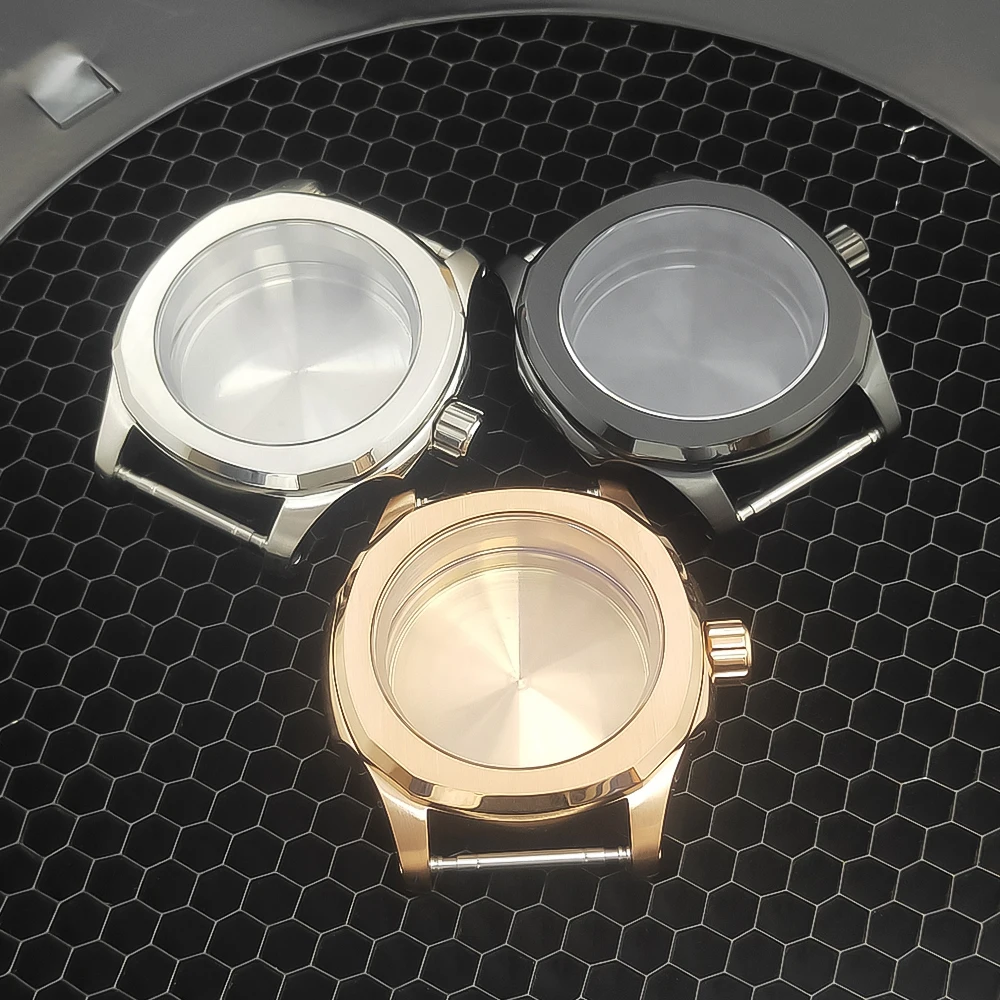
While identifying *the* first truly functional, commercially successful wrist apparatus is complex, this particular model has undeniably shaped modern aesthetics and functionalities in horology. A closer look at its design and impact illustrates its role as a catalyst for subsequent styles and innovations that define today’s luxury expertise.
Is Cartier Santos the Pioneer in Wrist Timepieces?
Yes, this model is often credited as one of the earliest examples of a timepiece designed specifically for the wrist, setting a standard for subsequent creations.
Historical Significance
Introduced in 1904, this design was revolutionary for its era. It was crafted for an aviation pioneer, enhancing functionality and style for those in motion.
- Marking a shift from pocket types to wrist models.
- First to feature a square case, challenging traditional round designs.
- Integrates both craftsmanship and innovative engineering.
Influence on Modern Timepieces
This iconic design laid the groundwork for modern luxury creations. Many brands have drawn inspiration from its aesthetics and functional approach.
- Design simplicity remains influential.
- Functions adapted over the years, merging fashion with utility.
- Continues to be a benchmark in luxury horology.
In essence, while not the absolute origin, its impact on this sector is undeniable, and it continues to resonate in contemporary designs.
Understanding the Origins of Timepieces
Tracing back origins of timepieces reveals a rich history influenced by various cultures and innovations. Early designs emerged as pocket versions, transitioning to wrist-mounted styles primarily in late 19th century. Key advancements happened due to necessity in military and aviation sectors, where practical timekeeping was crucial.
In 1868, a significant development occurred when a Swiss watchmaker created a timepiece for Countess Koscowicz, often cited as one of the earliest examples of wrist-mounted mechanisms. This innovation set a foundation for future designs catered specifically for women, differing from bulky men’s pocket alternatives.
By early 20th century, with military demands, manufacturers began producing durable, convenient models for soldiers. Brands realized potential market for practical designs, changing perceptions towards these accessories among civilians.
The Industrial Revolution also played a significant role. Mass production techniques allowed for affordability, making them accessible to a wider audience. Watches evolved into symbols of status, craftsmanship, and technology, intertwining with innovations like quartz movement in the late 20th century, introducing a new era of accuracy.
| Year | Event |
|---|---|
| 1868 | First wrist-mounted piece created for Countess Koscowicz. |
| 1914 | Military necessity propels wrist models into popularity. |
| 1969 | Introduction of quartz movement, revolutionizing accuracy. |
Understanding this evolution illustrates how functionality and design shaped preferences, propelling popularity. Modern interpretations reflect this heritage, balancing both aesthetic appeal and practical application.
Key Features of Cartier Santos
Iconic design showcases square case, providing a distinct silhouette that stands out among traditional models. Elegant bezel, often adorned with screws, adds a touch of sophistication. Polished and brushed finishes offer a harmonious contrast, enhancing visual appeal.
Bracelet options include integrated metal links, allowing for seamless style transitions between dressy and casual settings. Quick-release mechanism facilitates effortless changes, catering to versatility and personal preference.
Numerals and hands often feature luminescent materials, ensuring readability in various lighting conditions. Chronograph variants introduce additional functions, appealing to those seeking both style and practicality.
Water resistance ratings typically support daily wear, and movement options span mechanical to quartz, catering to different preferences for precision. Such attributes contribute to its lasting allure in horological collections.
Comparative Analysis of Early Timepieces
Examine timekeepers from the late 19th and early 20th centuries, focusing on notable models that emerged alongside famed designs. Noteworthy examples include pieces created by Patek Philippe, Longines, and Gruen. These brands played significant roles in advancing portable timekeeping technology.
Patek Philippe’s 1868 model, often recognized as one of earliest examples of a portable timepiece, featured a slim design adaptable for wear on the wrist. This approach marked a significant shift from pocket models, appealing to those seeking functionality combined with elegance.
Longines introduced its own wrist devices shortly after, integrating innovative mechanisms for precision. Their designs became popular among aviators and military personnel, showcasing practicality in challenging environments. The brand emphasized reliability, which positioned it favorably within competitive markets.
Gruen launched stylish options aimed at a fashionable audience. The unique aesthetic and craftsmanship appealed to those interested in both design and utility, establishing a distinct identity among early portable timekeepers.
In this context, analysis reveals that while the model in question holds a prominent position, various competitors also contributed to the evolution of wearable timekeeping. Each brand brought unique features and styles, shaping consumer preferences and driving further innovations.
Comparison of these early models highlights a blend of functionality and artistry, demonstrating that the evolution of portable timepieces involved multiple influential players. Understanding this competitive landscape enriches appreciation for iconic designs and their historical significance.
Influence of Cartier Santos on Modern Watchmaking
A significant impact of this iconic timepiece is observed in various aspects of contemporary horology. Key design elements introduced, such as square cases and angular lugs, resonate throughout modern collections, influencing aesthetics greatly.
Design Principles
- Creation of square forms has become popular, demonstrating a shift from traditional round designs.
- Integration of minimalist dials promotes clarity and functionality, setting a standard for user-friendly layouts.
- Application of innovative materials, including stainless steel and precious metals, finds its roots in early iterations of this model.
Functional Features
- Water resistance and chronometric precision are common in current offerings, inspired by the pioneering spirit of this model.
- Deployment clasps introduced enhance usability and security, leading to broader adoption across various brands.
- The incorporation of interchangeable straps allows for customization and versatility, reflecting consumer demand for personalization.
This pioneering timepiece not only paved ways in form but also guided functionality, influencing countless manufacturers and designers. Its legacy is evident in every meticulous detail present in modern horological designs.
Collectibility and Value of Cartier Santos Today
Collectibles within haute horology often command attention, and pieces from this iconic brand are no exception. This model stands out as a coveted item among collectors due to its historical significance and distinctive design.
Current market trends indicate robust demand, particularly for vintage models. Prices fluctuate based on condition, provenance, and rarity. For example, limited editions or pieces featuring unique material combinations tend to fetch higher prices at auctions and private sales.
Collectors should focus on maintaining original components, as alterations can impact value negatively. Documentation, such as original paperwork and boxes, enhances desirability, making such items more attractive to potential buyers.
Networking within enthusiast communities or attending watch fairs can provide insights into pricing dynamics and emerging trends. Online platforms also serve as valuable resources for comparing prices and identifying sought-after variants.
Investors may find that acquiring a piece from this collection offers a multifaceted opportunity–appreciation in monetary value coupled with the enjoyment of owning a historical artifact in horological craftsmanship.