
 Ethan Cole

For enthusiasts seeking to enhance their collection, it’s beneficial to focus on features that contribute to functionality. Indicators on a timepiece can vary significantly, each offering unique advantages. Familiarize yourself with common types such as hour markers, minute hands, and sub-dials.
Hour markers often take the form of numerals or simple lines, providing quick reference points for reading time. Minute hands are crucial for precise timekeeping, extending almost to the minute markers on the face. Sub-dials may serve additional purposes, typically displaying functions like chronographs or second timers, making them essential for specific needs in sports or aviation.
Pay attention to the layout and design of these indicators. A well-balanced arrangement enhances readability, while certain materials can add elegance or durability. Understanding these elements is key to selecting a timepiece that not only serves your practical needs but also reflects personal style.

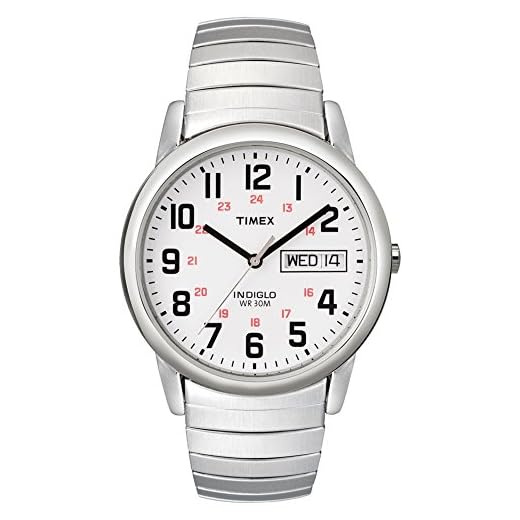
Understanding Chronograph Dials and Their Functions
Chronograph features typically include multiple sub-registers, each serving distinct purposes. The primary sub-dial records elapsed seconds, while additional ones may track minutes and hours of elapsed time, enhancing timing capabilities. It’s common to find a 30-minute counter and a 12-hour counter appropriately positioned for readability.
Utilize the start, stop, and reset pushers to operate the chronograph. The top pusher generally initiates timing, while the bottom one halts it. Activating the reset function returns the hands to their default positions, allowing for repeated measurements.
Advanced chronographs may incorporate tachymetric scales around the bezel or outer edge of the face. This enables users to calculate speed based on time traveled over a measured distance, providing a functional tool for various activities.
For precision, pay attention to the hand alignment when activating the chronograph. Misalignment can lead to inaccurate readings, particularly in competitive scenarios. Regular maintenance ensures accuracy and reliability, contributing to performance in timing applications.
Exploring Subdials: What They Indicate
Subdials provide crucial information beyond standard timekeeping. Commonly found on sport-oriented pieces, they enhance functionality through various measurements and indicators. Depending on the timepiece, subdials can track elapsed time, display 24-hour time, or showcase additional features such as day and date.
Chronograph Functions
A chronograph may feature multiple subdials, each having a specific role. The larger one typically tracks seconds, while others might record minutes and hours, enabling precise timing of events. Understanding the layout is key; a minute subdial at 3 o’clock often indicates elapsed minutes, while an hour subdial at 6 o’clock captures longer durations. This configuration allows for comprehensive timing capabilities, essential for athletes or enthusiasts.
Additional Features
Some pieces include subdials for complications such as moon phases or power reserves. A moon phase indicator reflects the current lunar phase, useful for astronomers or those interested in astrology. Power reserve indicators, conversely, illustrate remaining energy, vital for winding mechanisms. Analyzing these features can enrich the user’s experience, making the piece both functional and intriguing.
Reading a GMT Display for Additional Time Zones
First, locate the 24-hour scale, typically situated along the outer edge. This scale allows for quick reference of a second time zone–usually represented by a different hour hand, often colored distinctively.
To interpret this display:
- Observe the primary hour hand to identify local time.
- Next, gaze at the GMT hand, which rotates at half the speed of the standard hour hand.
- Determine the hour on the 24-hour scale that corresponds with the position of the GMT hand. This indicates the time in the second zone.
Adjusting for Daylight Saving Time may be necessary. Ensure to account for any local variations in timekeeping practices when reading the GMT indicator.
Some models incorporate additional features:
- Dual time zone displays use separate dials for local and GMT times, enhancing readability.
- 24-hour indicators might be accompanied by a date function, allowing simultaneous tracking of additional details.
Practice with different time zones regularly to improve speed and accuracy in reading these features. Familiarity with the 24-hour clock not only aids in this process but also sharpens overall timekeeping skills.
Decoding the Tachymeter Scale on Watch Dials
The tachymeter scale is typically located around the outer rim of certain timepieces, designed to measure speed based on travel time over a fixed distance. To utilize this feature, timing a distance of one kilometer or one mile with the chronograph function gives you speed in units per hour.
How to Use the Tachymeter
1. Start the chronograph as you begin moving.
2. Stop the chronograph when you reach the set distance.
3. Read the tachymeter scale at the point where the chronograph second hand lands. This value will indicate your speed in kilometers per hour or miles per hour, depending on the calibration.
Tachymeter Scale Example
| Time Elapsed (seconds) | Speed (km/h) |
|---|---|
| 10 | 360 |
| 20 | 180 |
| 30 | 120 |
| 40 | 90 |
| 50 | 72 |
Not all timepieces include this feature, primarily found in models focusing on sports or racing. Pay attention to the details on the design for optimal performance.
Implications of a Date Function on Watch Dials
A date complication integrates seamlessly into timepieces, enriching functionality and user experience. Positioned typically near the 3 o’clock or 6 o’clock mark, this feature allows instant reference to the current date without requiring additional tools.
Design-wise, a date window often incorporates a contrasting background to enhance visibility, while some models feature magnifying lenses for improved legibility. Adjustments to the calendar can usually be made via the crown, ensuring user-friendly operation.
In terms of mechanics, the date mechanism often utilizes gears to advance the date display automatically, triggered by the movement of the clock’s hands. This precision eliminates the need for manual adjustments, which is especially beneficial during months with fewer days.
Wearers should be cautious when setting the date near midnight to prevent damaging the internal components. Most manufacturers advise avoiding adjustments between 8 PM and 4 AM, as the mechanism is engaged during this period, risking misalignment or breakage.
An increased emphasis on aesthetics has led to various designs of date indicators, from simple numerical displays to more elaborate layouts featuring indicators and color changes. The choice of style often reflects personal taste while maintaining essential clarity for practical use.
Lastly, collecting models with a date function can enhance value appreciation within the watch community, as this complication signifies a blend of craftsmanship and usability, appealing to a wide array of collectors and enthusiasts.
Variations in Dial Designs Across Different Watch Styles
Exploration of various timepiece aesthetics reveals distinct approaches to their face designs. Classic models often feature minimalist presentations, utilizing simple hour markers and clear hands, prioritizing legibility and elegance. These pieces maintain timeless appeal, focusing on quality materials and understated color schemes.
Sport-oriented pieces tend to adopt a more rugged appearance, incorporating bold numerals and contrasting colors for enhanced visibility. Often, these models integrate rotating bezels or luminescent elements, catering to functionality in dynamic environments. Styles like divers or pilot models highlight these features, aligning with their intended use.
Luxury items frequently showcase intricate decorations, such as guilloché patterns or enamel work. These details serve both visual appeal and display craftsmanship. Additionally, some haute horlogerie pieces may include complications that transform the surface into a statement of artistry, using unique dial materials such as mother-of-pearl or meteorite.
Vintage-inspired designs draw from historical aesthetics, often reviving elements from specific eras. These watches might employ aged indices or distressed finishes to evoke nostalgia, appealing to collectors who appreciate timeless craftsmanship. Their character often balances heritage with contemporary reliability.
Smart variations reflect technological advancements, often prioritizing functionality over traditional aesthetics. These dials generally feature digital displays or hybrid interfaces, focusing on information presentation rather than ornamental details. Notifications and interactive elements define their user experience, diverging from conventional designs.
In conclusion, the diversity in face designs across styles allows enthusiasts to choose based on preference and intended usage, whether that be for sport, elegance, or technological integration. Each variant tells a story about both the purpose of the timepiece and the aesthetic it embodies.


