Ethan Cole
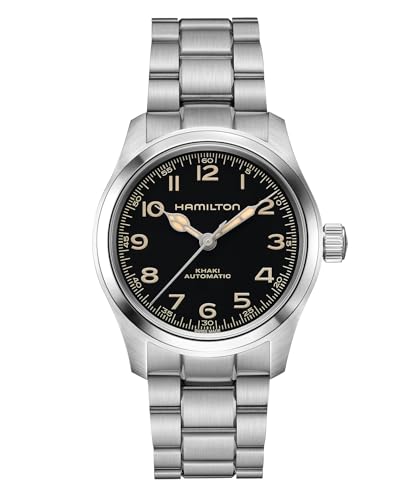
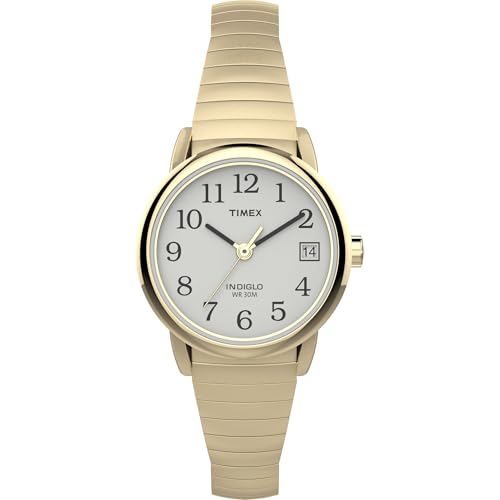
For those seeking a proportional fit, opting for timepieces ranging from 36mm to 40mm remains a popular choice for individuals with smaller limbs. These sizes not only ensure comfort but also enhance the elegance of the arm without overwhelming it. A 38mm model, for instance, strikes a balance between visibility and subtlety, making it perfect for everyday wear or formal occasions.
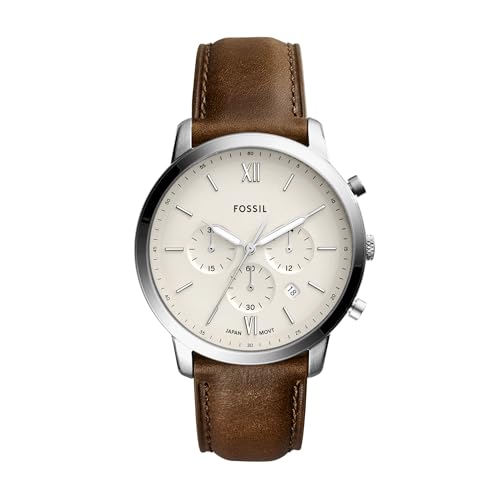
On the other hand, individuals with larger circumference may find that timepieces between 42mm and 46mm provide a more complementary aesthetic. This range tends to dominate the view, offering a bold statement while showcasing craftsmanship and features that catch the eye. A 44mm variant can serve as both a functional accessory and a conversation starter.
When selecting a diameter, consider the overall thickness, as well as the lug-to-lug distance. A slimmer profile can add a touch of refinement, while more robust designs can underscore a rugged persona. Always try various sizes to determine what feels right, as the way a piece rests against the skin can significantly influence your comfort over time.
Various Sizes on Different Arm Dimensions
For optimal selection, consider wrist circumference in relation to case diameter. A larger circumference may accommodate pieces ranging from 40mm and above, providing a bold statement. Conversely, a wrist measuring less than 6.5 inches typically suits smaller forms, ideally below 38mm, granting an elegant appearance without overpowering the arm.

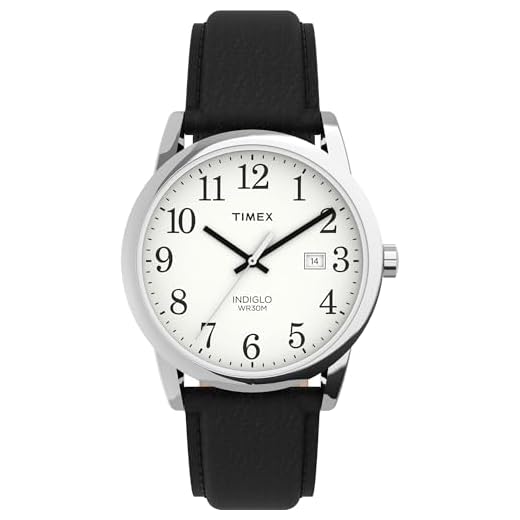
Specific Recommendations
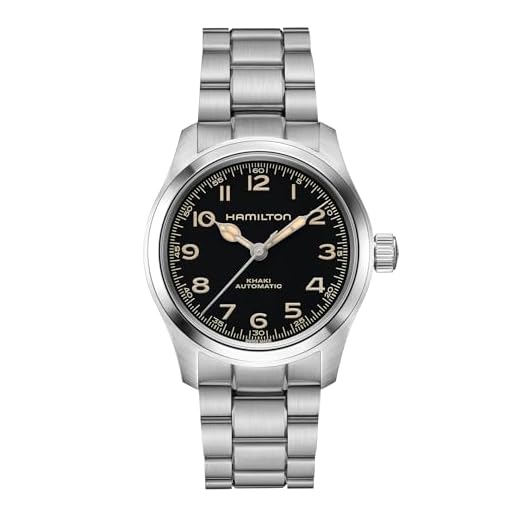
- 36mm – Fits smaller wrists perfectly while maintaining readability.
- 38mm – Suitable for average wrists, balances size and subtlety.
- 40mm – Ideal for individuals with larger frames desiring presence without excess bulk.
- 42mm and up – Best for those with substantial wrist sizes, ensures visibility and style.
Considerations for Thickness
Thickness should also be factored in, as a thicker case can appear even more prominent. For instance, a robust 44mm piece may feel oversized, especially if combined with hefty case design. Aim for proportionality between width and thickness to create a harmonious appearance.
- Thin cases (under 10mm) complement slim arms well.
- Medium thickness (10-15mm) suits most wrist types.
- Thorough exploration of personal aesthetics is crucial to find a pleasing style.
Comparing 34mm Timepieces on Small Hands
For those with petite extremities, a 34mm timepiece offers an ideal proportion, ensuring comfort without overwhelming one’s appearance. Selecting the right model can enhance both style and functionality. Here are key observations regarding how 34mm timepieces interact with smaller extremities:
| Feature | Description |
|---|---|
| Size Balance | A 34mm case provides a harmonious fit, maintaining a subtle yet noticeable presence on smaller hands. |
| Strap Options | Thin straps or leather bands complement a 34mm design, ensuring a lightweight feel while enhancing the overall aesthetic. |
| Dial Clarity | Smaller dials can be visually balanced, allowing for clear readability without cluttered designs. |
| Wrist Versatility | This size works well with various wrist alignments, making it suitable for casual and formal ensembles. |
| Material Play | Utilizing materials such as stainless steel or ceramics can elevate visual interest while maintaining a lightweight profile. |
When choosing a 34mm piece, consider personal style, occasion, and functionality. A well-chosen model can significantly enhance one’s overall presence, ensuring it complements rather than overpowers the features of smaller extremities.
Exploring 38mm Timepieces on Average-Sized Arms
For those with average-sized limbs, opting for a 38mm timepiece can provide a balanced presence without overwhelming the forearm. This size strikes a harmonious balance between style and functionality, making it suitable for various occasions, from casual outings to formal events.
Visual Appeal and Proportions
A 38mm case tends to resonate well with a broader array of aesthetics. It generally features a dial that allows for legible markers and hands, enhancing readability while maintaining elegance. The compact size ensures the timepiece sits comfortably and snugly, complementing the natural contours of the arm. Viewed from different angles, it achieves a sleek appearance without compromising on visibility.
Straps and Design Elements
The versatility of 38mm models enables an array of strap options–metal bracelets, leather bands, or fabric straps–allowing users to tailor their look. A lighter strap can enhance wearability during warmer months, while a darker leather option can convey sophistication for evening attire. Furthermore, variations in dial color and complications can influence the overall impression, making personalization effortless.
Choosing a 38mm timepiece for average-sized limbs promises a blend of style, comfort, and adaptability, ensuring it remains a staple in any collection.
Assessing 42mm Timepieces for Larger Forearms
For individuals with a more substantial arm circumference, a 42mm model strikes a notable balance between presence and comfort. This size often complements larger builds, ensuring a harmonious fit without overwhelming the anatomy.
Comfort and Practicality
When selecting a 42mm piece, prioritize weight distribution. Models with a lighter case material, such as titanium or aluminum, provide ease during extended wear. Additionally, opting for a softer strap, made of leather or silicone, enhances comfort against the skin, reducing irritation during daily activities.
Aesthetics and Style
This dimension allows for a variety of dial designs, which can add a unique flair. A substantial face diameter can effectively showcase intricate features, such as complications or indices, elevating visual appeal. It’s advisable to choose a color scheme that complements both casual and formal attire, ensuring versatility in styling.
Understanding 46mm Timepieces and Their Presence
For those considering a 46mm timepiece, it’s essential to appreciate how this size can dominate an ensemble. This dimension typically provides substantial wrist coverage, appealing primarily to individuals with larger arm spans. Here are some notable characteristics and recommendations:
Visual Impact
- This size offers a commanding view, making it a prominent accessory that can enrich casual and formal outfits alike.
- Visibility is enhanced, especially with bold designs or intricate dials, drawing attention effortlessly.
- Color schemes and materials will further accentuate its presence, with darker tones exuding sophistication and lighter shades adding flair.
Comfort and Fit
- A careful assessment of the watchband is crucial. Opt for materials that mold well to the wrist for maximum comfort.
- Consider the thickness. A chunkier piece may require compliments from slimmer bands to achieve comfort without sacrificing style.
- Ensure the casing shape aligns with the wrist contour, as an ergonomic fit minimizes bulkiness and enhances wearability.
In conclusion, a 46mm timepiece commands attention, requiring thoughtful coordination with clothing and accessories. Prioritize fit and comfort while being mindful of the impression it imparts.
Choosing the Right mm Size for Different Wrist Types
For individuals with slender arms, sizes between 34mm and 40mm provide a proportional fit, enhancing elegance without overwhelming the forearm. These dimensions offer a subtle presence, complementing the delicate structure of smaller builds.
Those with average circumference benefit from pieces ranging from 38mm to 42mm. These measurements balance aesthetic appeal and substantial look, ensuring a harmonious blend with a medium frame, exuding confidence without being overpowering.
Larger builds typically pair best with diameters from 42mm to 46mm. This size range makes a striking statement, perfectly matching a more robust wrist while maintaining an air of sophistication. The bold presence captures attention, enhancing a strong profile.
In terms of functionality, ensure that chosen dimensions provide comfort during daily activities. Trying on several options allows for a personalized decision, confirming that the selected size aligns with both comfort and style preferences.
Consider strap materials and case thickness as they further influence visual impact and wearability. A tailored choice in size, combined with these elements, greatly enhances the overall experience of timepiece ownership.
FAQ:
What are the visual differences between a 38mm and a 42mm watch on a wrist?
The primary visual difference between a 38mm and a 42mm watch is the overall size and presence on the wrist. A 38mm watch tends to appear more delicate and is better suited for those with smaller wrists or for wearers who prefer a minimalistic look. On the other hand, a 42mm watch makes a bolder statement, offering a more substantial appearance that can complement larger wrists and athletic styles. The proportions also affect how the watch aligns with dress styles; a 38mm might blend seamlessly with formal attire, while a 42mm could stand out more in casual or sporty contexts.
How does the weight of a watch influence its comfort on the wrist?
The weight of a watch can significantly affect comfort, especially during prolonged wear. Lighter watches, often found in smaller sizes or made from less dense materials, feel less burdening on the wrist. This can be advantageous for daily wear. In contrast, heavier watches, typically larger or made from robust materials, may provide a feeling of sturdiness but could lead to discomfort if worn for long periods. Personal preference plays a key role—some people enjoy the weightiness as a sign of quality, while others prefer the ease of lightweight options.
Can you explain how the design style influences the perception of watch size?
Certain design styles can make a watch appear larger or smaller than its actual measurement. For example, watches with thicker bezels or prominent features may give the impression of a larger size, even if the actual mm measurement remains the same. Conversely, a watch with a slim profile and minimalist design can appear smaller, despite a larger case size. Design elements like color, texture, and finishing also contribute to how the watch is perceived on the wrist; a shiny finish can increase visibility and perceived size, while matte finishes may have the opposite effect.
What factors should I consider when choosing the right watch size for my wrist?
Choosing the right watch size involves several factors. First, wrist size is crucial; generally, smaller wrists pair well with smaller watches, while larger wrists can carry bigger sizes. Also, consider your personal style and how you intend to wear the watch—formal or casual? The thickness of the watch can also influence comfort. It’s advisable to try different sizes to see how they feel and look on your wrist. Remember that the fit should be snug but not tight, allowing for some movement without slipping. Lastly, think about design preferences—do you lean toward bold pieces or more understated options?
How can I make a decision between a vintage-style watch and a modern one based on size?
When deciding between vintage and modern watches, size is a critical factor. Vintage watches typically have smaller case sizes, often around 34mm to 36mm, reflecting historical trends in watchmaking. These watches may be preferred for their classic appeal and may fit particularly well on those with smaller wrists. Conversely, modern watches tend to be larger, with sizes often starting at 40mm. This can reflect contemporary tastes for bigger timepieces. Consider your style preferences, the occasion for wearing the watch, and how each size feels on your wrist. Ultimately, the choice will depend on which aesthetic resonates more with you.