
 Ethan Cole
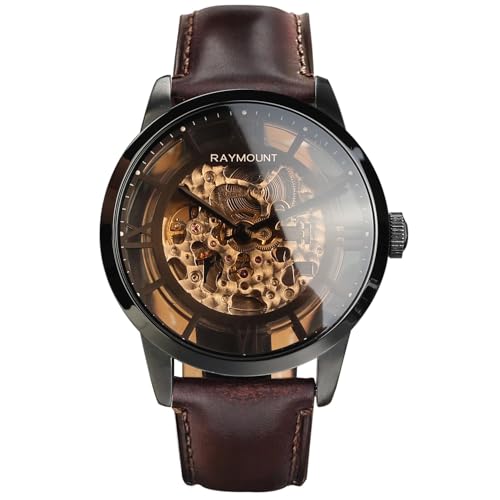
A traditional timepiece relies on a series of intricate mechanical components that work in harmony to measure the passage of time. These devices, characterized by their reliance on intricate gears and springs, often exhibit a craftsmanship that highlights the artistry involved in their creation. For anyone interested in horology, selecting such a device means embracing the rich history and precision engineering that accompanies these finely-tuned instruments.
In your search for a high-quality timepiece, determine the movement type, as this can greatly affect accuracy and maintenance. Common mechanisms include manual and automatic movements, each offering distinct advantages. Manual types require winding by hand, while their automatic counterparts self-wind through the motion of the wearer’s wrist, presenting convenience and reliability.


Pay close attention to the materials used in the casing and strap. Stainless steel, gold, and titanium are popular choices that not only enhance durability but also contribute to the aesthetic appeal of the piece. Additionally, consider features such as water resistance and crystal type, both of which can impact longevity and functionality.
Regular maintenance is key to ensuring optimal performance. Schedule periodic servicing with a qualified technician to address potential issues before they escalate. Understanding the basics of how these devices operate can enhance appreciation and prolong their longevity, allowing you to enjoy the artistry and engineering for years to come.
Understanding a Traditional Timepiece
A traditional timepiece operates through a complex interplay of gears, springs, and rotors, allowing for precise timekeeping driven by mechanical energy. The main component is the mainspring, which stores energy when wound and releases it gradually, powering the intricate movements of the time indicator.
The escapement is critical, regulating the release of energy from the mainspring to ensure accurate movement. Typically composed of a pallet fork and a balance wheel, this mechanism oscillates at a consistent rate. The frequency of these oscillations, commonly measured in vibrations per hour (VPH), directly impacts the accuracy of the device.
<p.Timepieces may utilize different types of escapements, including Swiss lever or co-axial systems, each contributing unique characteristics to performance and longevity. The quality of craftsmanship, materials, and engineering directly influences durability, often reflected in the rarity and prestige of branded timepieces.
<p.Maintenance is vital for longevity, typically requiring periodic servicing every few years to ensure components remain lubricated and free from wear. For enthusiasts, understanding the movement and components, as well as occasional self-winding or manual winding practices, enhances appreciation for this intricate craftsmanship.
<p.Choosing a traditional timepiece can also be influenced by factors such as style, size, and color, which are all essential for finding an ideal match for personal taste. Some collections may offer complications, such as a calendar function or chronograph capability, which add layers of functionality while showcasing the artistry of horology.
Understanding the Mechanism Behind Mechanical Watches
The heart of such timepieces lies within their intricate moving parts. At the core is the mainspring, responsible for storing energy. When wound, it gradually releases this energy, powering the movement of gears and components.
Next in line are the escapement and balance wheel. The escapement regulates the release of energy from the mainspring in precise increments. The balance wheel works in tandem, oscillating back and forth to help maintain accurate timekeeping. Together, these elements ensure the seamless operation of the timepiece.
Another significant component is the gear train, which transmits energy from the mainspring to the escapement and subsequently to the hands of the device. Every gear has a specific ratio, controlling the movement and allowing the representation of time through seconds, minutes, and hours.
The assembly of these components requires meticulous craftsmanship. Each part is individually engineered for optimal performance and durability. Watchmakers often dedicate years to mastering this art, ensuring that each creation reflects precision and excellence.
Regular maintenance is advisable for those possessing such timekeeping devices. Cleaning and lubrication of the internal parts reduce friction, which prolongs the life of the mechanisms. It’s prudent to have these devices serviced periodically to guarantee their accurate functioning over time.
Incorporating complex features, some advanced models may include additional complications like perpetual calendars or chronographs. These extra functionalities showcase the remarkable ingenuity of horology, attracting enthusiasts and collectors alike.
Differences Between Manual and Automatic Timepieces
Choose a timepiece based on how it is powered: manual or automatic. Each type has distinct characteristics that cater to different preferences and lifestyles.
Power Source
Manual options require regular winding by the user, typically every 24 to 48 hours. This hands-on approach allows wearers to engage more intimately with their instrument. On the other hand, automatic types harness kinetic energy from the wearer’s wrist movement, maintaining power as long as they are worn regularly, eliminating the need for manual winding.
Maintenance Requirements
Maintenance for manual variants might be more frequent due to the direct human interaction involved. Regular winding can lead to wear over time. Automatic models, while less demanding in terms of winding, still require periodic servicing to ensure the rotor and gears function properly, especially if worn infrequently, which could lead to lubrication issues.
Ultimately, the choice between these two types hinges on user preference regarding interaction, convenience, and maintenance. Select according to your daily habits and appreciation for craftsmanship.
Key Components of a Mechanical Timepiece Movement
The heart of a traditional timepiece lies within its intricate movement, crafted from a series of finely tuned components that work in harmony. The main parts include the escapement, mainspring, gear train, and balance wheel, each contributing to the accuracy and functionality of the device.
The escapement regulates the release of energy from the mainspring, translating it into a steady, measured motion. This component plays a crucial role in maintaining precise timekeeping. Within the escapement, the pallet fork and escape wheel interact to create a consistent tick-tock sound, a signature feature of such timepieces.
The mainspring acts as the power source, storing energy when wound. As it unwinds, it releases this energy to drive the gear train, which consists of a series of gears that transmit motion from the mainspring to the hands of the timepiece. The arrangement and design of these gears are vital for achieving the correct gear ratios, ensuring that seconds, minutes, and hours are displayed accurately.
The balance wheel, paired with a hairspring, regulates the oscillation of the movement. This assembly ensures that time intervals are maintained with high precision. A well-tuned balance wheel oscillates at a consistent rate, directly influencing the overall accuracy of the timepiece.
Additionally, the jewel bearings, typically made from synthetic rubies, reduce friction between moving parts, enhancing longevity and reliability. These tiny, hard components support the pivots of gears and help maintain smooth operation.
Lastly, the casing and dial protect the internal mechanisms while displaying the time. The choice of materials and construction can impact both aesthetics and performance, as durability is essential for preserving the intricate movement within.
Maintenance Tips for Mechanical Timepieces
Service at regular intervals, ideally every 3 to 5 years, ensures optimal performance and longevity of the movement.
- Keep the timekeeper away from magnets, as they can disrupt the movement and affect accuracy.
- Store in a controlled environment with stable temperature and humidity levels. Avoid extremes to prevent damage to lubricants.
- Wind manually at least once a month if it is not worn regularly, to keep oils distributed within the mechanism.
- Regularly clean the exterior with a soft cloth to eliminate dust and grime; avoid chemicals that can harm the finish.
- If exposed to water, dry immediately and avoid submerging unless rated for water resistance.
- Be cautious with sudden impacts; drops can misalign components or cause other damage.
- Get hands replaced if they show signs of wear or damage, as they can affect readability and performance.
Prioritize professional servicing to inspect the internal parts, ensuring they function smoothly and efficiently. This preventive approach reduces the risk of costly repairs.
- Monitor accuracy by checking the time against a reliable source regularly.
- Familiarize with specific care instructions based on the model, as designs can vary significantly.
Identifying Quality in Craftsmanship
Examine the movement’s smoothness. A high-quality mechanism exhibits a fluid motion when the hand is moved. The sweeping second hand should glide rather than tick. Look for a fine movement that operates with precision, showcasing the artisanship involved.
Inspect the materials used in the casing and strap. Premium metals like stainless steel, gold, or platinum indicate longevity and durability, while high-grade leather or innovative synthetic materials in straps enhance comfort and style.
Attention to Detail
Analyze the finishing touches on the dial and case. A well-executed polish reflects craftsmanship, while a flawless, scratch-resistant surface indicates quality treatment. Markers and hands should be perfectly aligned and proportioned, adding to the aesthetic appeal.
Check for brand reputation and the heritage behind the creation. Renowned brands often adhere to high standards, ensuring an enduring legacy in excellence.
Personal Fit and Feel
Seek a perfect fit on the wrist. A quality piece feels balanced and comfortable, with the weight distributed evenly. Try it on to assess how it sits and moves, as true craftsmanship translates to an enjoyable wearing experience.
Finally, consider the warranty and service options provided. A longer warranty and accessible service reflect confidence in the product, ensuring that any potential issues can be addressed without hassle.


