
 Ethan Cole
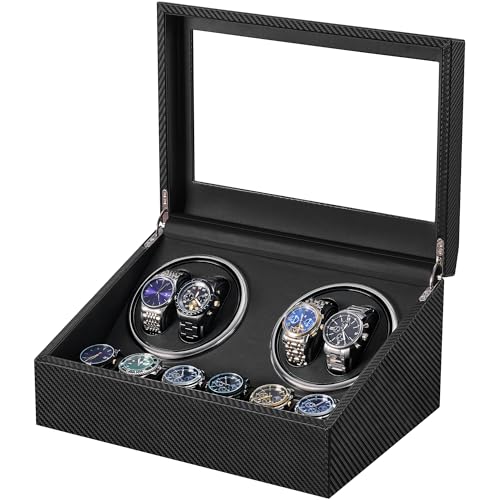
For those intrigued by horology, choosing an automatic timepiece offers both convenience and traditional craftsmanship. These timekeepers harness kinetic energy from wrist movement, eliminating the need for battery replacements. With every subtle gesture, the oscillating rotor winds the mainspring, ensuring consistent accuracy and reliability.
The primary advantage lies in the self-sufficient nature of these mechanisms. Unlike quartz models that depend on batteries, a well-maintained automatic unit can run indefinitely, as long as it is worn regularly. For those who may not wear their timepiece daily, utilizing a watch winder can maintain tension on the mainspring, preventing it from becoming unwound and ensuring that the intricate movements of the gears function seamlessly.
Choosing the right model requires understanding the complexities involved, such as the power reserve and the quality of materials used in construction. Popular options often feature transparent cases, allowing enthusiasts to admire the intricate movements at work. Whether for aesthetic pleasure, mechanical intrigue, or practical use, an automatic timepiece embodies a perfect combination of art and functionality.


Mechanism Behind Self-Winding Technology
The heart of the automatic timepiece is its intricate movement, which transforms kinetic energy from wrist motion into mechanical energy. This process begins with a rotor, a semi-circular weight that pivots on a small axle. When the arm moves, the rotor spins freely, generating energy.
Components of the Movement
Inside the mechanism, a set of gears and springs work in harmony. The rotor’s motion gears down through a series of cogwheels, transferring energy to the mainspring. This crucial spring stores the energy, which then regulates the timekeeping function. The escapement system controls the release of energy, ensuring accurate timekeeping by creating a consistent interval between ticks.
Energy Management
An efficient winding system also features a braking mechanism to prevent the rotor from over-winding, which could damage the mainspring. Often, manufacturers incorporate a design that allows the rotor to engage smoothly regardless of wrist activity, optimizing energy harnessing. Such innovations contribute to the longevity and reliability of these finely engineered devices.
Benefits of Owning a Self-Propelled Timepiece
Accurate timekeeping is a standout feature of a self-propelling timepiece, which naturally harnesses kinetic energy. This results in consistent precision, often superior to battery-operated counterparts.
Durability is another advantage. With fewer components that can fail, these mechanisms tend to require less maintenance and are built to last, making them a reliable choice for everyday wear.
Investing in a self-propelling device often translates into financial value. Many models appreciate over time, making them sought-after collectibles and a wise investment.
The craftsmanship involved in creating automatic devices cannot be overlooked. The intricate mechanisms showcase outstanding horological artistry, appealing to enthusiasts who appreciate fine details.
Environmental impact is minimized since these creations do not rely on batteries, reducing electronic waste. This sustainable aspect resonates well with eco-conscious consumers.
Owning such a timepiece can foster a sense of tradition and legacy, connecting wearers to a long history of craftsmanship and design. It reflects a commitment to quality and timeless style, enhancing one’s personal brand.
- Accuracy: Maintains excellent time precision.
- Durability: Robust design requires minimal upkeep.
- Investment: Potential for appreciation in value.
- Artistry: Showcases skilled craftsmanship.
- Sustainability: Environmentally friendly, battery-free operation.
- Heritage: Connects to rich traditions in horology.
How to Maintain a Self-Winding Timepiece
Regularly wear the timepiece to ensure it remains wound and functional. If not worn for an extended period, consider using a watch winder to keep it operating smoothly.
Ensure the crown is secured after winding or setting the time. This helps maintain water resistance and prevents dust or debris from entering the case.
Clean the exterior often with a soft, lint-free cloth to remove dirt and sweat. For deeper cleaning, use a damp cloth but avoid exposing the watch to excessive moisture.
Service the mechanism every three to five years. A qualified horologist will inspect and lubricate parts, ensuring longevity and accuracy.
Avoid exposing the piece to strong magnetic fields, as they may disrupt its precision. Always store the timepiece away from electronic devices that emit magnetism.
Monitor for water resistance. If the piece is exposed to water, have it checked periodically to maintain its protective seals. Don’t operate the crown underwater.
Handle the watch delicately and avoid sudden impacts to prevent damage to the delicate internal components.
Common Myths About Self-Winding Watches
One prevalent misconception is that these timepieces never need manual winding. Routine movement can keep them running; however, if left idle for extended periods, manual winding becomes necessary to maintain accuracy.
Another belief is that they are inherently more fragile than their battery-operated counterparts. In reality, many models are designed to withstand the rigors of daily use, thanks to robust construction techniques and materials.
Some assume that these timepieces are always inaccurate. Unlike quartz models, which can be precise down to seconds, a mechanical variant may vary slightly. Regular maintenance and servicing can enhance precision significantly.
There’s an idea that all such mechanisms are created equal. Quality can vary greatly among manufacturers. Investing in reputable brands often yields superior performance and longevity.
Finally, it’s commonly thought that they are unsuitable for those with active lifestyles. On the contrary, many models are crafted to endure physical activity. Features like water resistance and shock protection make them suitable for various activities.
| Myth | Fact |
|---|---|
| Never needs manual winding | Can require winding if idle |
| More fragile than quartz | Can be very durable |
| Always inaccurate | Can maintain acceptable precision |
| All mechanisms are the same | Quality varies significantly |
| Not for active lifestyles | Many are designed for durability |
Top Brands and Models of Self-Winding Timepieces
Consider investing in an automatic timepiece from Seiko, known for its reliable movements and innovative designs. The Seiko Presage line offers excellent craftsmanship at a reasonable price point.
Rolex stands out with its Oyster Perpetual series. The iconic design and robust performance make it a benchmark in luxury horology, boasting impressive water resistance and a long-lasting movement.
TAG Heuer’s Carrera collection exemplifies sporty elegance, featuring automatic calibers renowned for their precision. This brand combines performance with aesthetics, appealing to motorsport enthusiasts.
For classic style, explore the IWC Portugieser range. These pieces are characterized by their sophisticated dials and exceptional accuracy, ideal for collectors seeking timeless sophistication.
Luxury Selections
Patek Philippe’s Nautilus is coveted for its sporty yet elegant design, with an intricate movement that showcases the brand’s commitment to fine watchmaking. It’s a prestigious choice for serious collectors.
Audemars Piguet’s Royal Oak is another luxury icon, renowned for its unique octagonal bezel and intricate craftsmanship. Its automatics are respected for their innovation and exclusivity.
More Accessible Options
Hamilton offers a compelling range of automatic timepieces without breaking the bank. The Hamilton Khaki Field is a versatile option, blending rugged durability with practical features.
Orient is a lesser-known gem, providing exceptional value. The Orient Star series delivers quality craftsmanship with striking aesthetics, perfect for both newcomers and seasoned aficionados.



