
 Ethan Cole
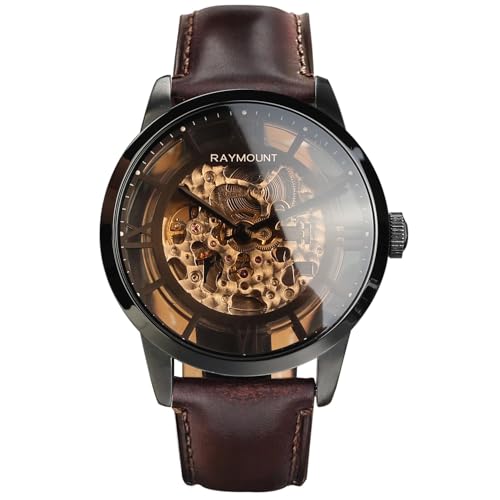
For those in search of precision, a timepiece that incorporates a smooth, continuously moving indicator is highly recommended. This feature allows for accurate reading of seconds, making it ideal for timing events or tasks that require attention to detail down to the very last moment.
These devices often utilize quartz movements or mechanical mechanisms, ensuring a seamless motion that is both appealing and functional. When considering a new addition to your collection, prioritize models that boast this particular characteristic for theoretical accuracy and aesthetic appeal.
Accessories featuring this functionality can enhance your overall experience, bridging the gap between elegance and utility. Choose styles that complement your personal taste while providing the performance you expect, ensuring that each glance at your accessory serves a purpose beyond mere style.


Understanding the Functionality of the Second Hand
This component plays a significant role in timekeeping precision. Unlike its counterparts, this feature continuously moves, indicating the passage of seconds. Users relying on split timing or needing an accurate measure of intervals benefit from its presence.
Precision Timing
The continuous motion of this pointer allows for real-time tracking of each second. This is particularly advantageous in various activities, such as sports or cooking, where timing down to the minute detail is crucial. Models showcasing a sweeping movement are often preferred for their seamless flow, providing an elegant aesthetic alongside functionality.
Impact on Design
Incorporating this feature influences the overall design of the timepiece. Some designs favor a minimalist approach, while others showcase intricate mechanisms. Choosing a model that balances personal style and practical use ensures satisfaction in both appearance and performance.
Types of Movements for Timepieces Featuring a Second Indicator
Mechanical Movements: These mechanisms can be either manual or automatic. Manual movements require winding by the user, while automatic ones wind themselves through the motion of the wearer’s arm. Both types provide a traditional feel, with sweeping seconds that create a smooth visual flow.
Quartz Movements: Powered by a battery, quartz mechanisms offer precision and low maintenance. The second indicator usually ticks with a one-second interval, making it a popular choice for accurate timekeeping. Some models employ a sweeping second feature, mimicking the fluid motion found in mechanical counterparts.
Spring Drive: This hybrid type combines elements of both mechanical and quartz movements. It utilizes a traditional mainspring for power, while a quartz oscillator ensures exceptional accuracy. The sweeping motion of the second indicator is a hallmark of this innovative design.
Smart Movements: Incorporating technology, smart devices track time with digital precision and often feature an animated second indicator. These timepieces may also offer additional functionalities such as notifications and fitness tracking, appealing to tech-savvy users.
Choosing the right movement is essential, depending on preferences for accuracy, aesthetics, and maintenance requirements. Each type caters to distinct user needs, ensuring a wide array of options for enthusiasts.
Choosing the Right Timepiece Featuring a Second Indicator
Select a model that aligns with your lifestyle and preferences. For casual wear, opt for versatile designs that complement various outfits. If you engage in sports or outdoor activities, consider options with robust materials and water resistance.
Material and Durability
Evaluate the case and strap materials. Stainless steel, ceramic, and titanium are durable choices for everyday use. Leather offers a classic aesthetic, while silicone or nylon bands provide comfort during physical activities. Ensure that the glass is scratch-resistant to maintain clarity.
Size and Comfort
Choose a case size that fits your wrist comfortably. Small cases may suit those with slender arms, while larger cases often appeal to individuals preferring a bolder look. Always try on a piece to verify that it feels secure without being overly tight.
Consider functionality as well. Some models include features like luminescence for visibility in low light, chronographs for precise timing, or aesthetic complications that enhance the piece’s appeal. Prioritize features that match your specific needs.
Maintenance Tips for Watches Featuring a Second Hand
Regular servicing is crucial. Aim for a full service every 3 to 5 years, depending on the model and usage. This prevents internal wear and maintains precision.
Cleaning Techniques
Keep the exterior clean. Use a microfiber cloth to gently wipe the case and strap. For stubborn stains, a diluted soap solution can be used, but avoid excessive moisture near the movement.
Handling and Storage
- Avoid exposing to extreme temperatures or magnetic fields that can disrupt accuracy.
- Store in a dry, cool place. Consider using a watch box to prevent scratches and damage.
- Always adjust the time and settings with care to avoid straining the mechanisms.
Water resistance is vital. Check seals regularly and replace batteries as soon as they show signs of low power, as this avoids leakage or corrosion.
If a model has a mechanical movement, wind it periodically to keep the lubricants from drying out. For automatic variants, regular wear is beneficial to maintain movement.
Popular Brands Offering Timepieces Featuring a Second Hand
Seiko is renowned for its precision and variety, offering models that emphasize reliability. Their Prospex series stands out for its robustness and functionality, catering to both casual and professional users.
Rolex consistently defines luxury in horology. The Submariner and Daytona lines showcase exquisite craftsmanship combined with flawless mechanics, ensuring smooth motion of the sweeping pointer.
Omega, with its iconic Speedmaster, combines classic aesthetics and innovative technology. This piece not only exhibits style but also serves as a tribute to space exploration.
Tag Heuer presents sporty designs like the Carrera series, blending performance and elegance. Their timepieces often feature a chronograph, allowing for precise tracking.
Citizen emphasizes eco-friendliness with Eco-Drive technology. Their versatile designs include elegant and sporty options, appealing to a wide audience.
Fossil provides fashionable selections at accessible price points. Their collection showcases modern styles while including reliable mechanics, often featuring complications related to timing.
Casio blends functionality and affordability. Their G-Shock line is especially noted for durability, making them suitable for various activities.
Panerai, known for its distinctive designs, often features prominent dials and a powerful mechanism, appealing to aficionados of unique aesthetics.
Tudor, a sibling brand to Rolex, offers pieces like the Black Bay, marrying vintage charm with contemporary technology. Their models often emphasize durability and versatility.
Longines stands out for elegant designs, focusing on heritage and classic styles. Their timepieces frequently exhibit graceful features while maintaining accurate timekeeping.
IWC Schaffhausen showcases high-end craftsmanship. Their Pilot’s Watches are celebrated for functionality, blending aviator needs with luxury design.
FAQ:
What is the significance of a second hand on a wristwatch?
The second hand on a wristwatch serves a specific purpose in measuring time accurately. It moves around the dial in continuous motion, providing the wearer with a visual indication of the seconds passing. This is particularly useful for timing events, as it allows for more precise tracking compared to watches without a second hand. Additionally, in some contexts, such as sports or cooking, having a second hand can be crucial for timing specific intervals. Furthermore, the second hand adds to the aesthetic appeal of the watch, showcasing a level of craftsmanship and complexity in its mechanism.
How do different types of second hands function in wristwatches?
Wristwatches can have various types of second hands, each functioning in its own unique way. Traditionally, there are two main types: sweeping and ticking. A sweeping second hand moves continuously in a fluid motion, which is often seen in automatic and high-quality quartz watches. This gives a smooth appearance and reflects a more sophisticated mechanism. On the other hand, a ticking second hand moves in distinct one-second increments, which is typical for many basic quartz watches. In addition, some watches feature specialized second hands, such as a chronograph second hand, which can start, stop, and reset to allow for precise timing of events. Understanding these differences can help watch enthusiasts choose a timepiece that fits their specific needs and preferences.


