Ethan Cole

Opt for left side for optimal comfort and functionality. This side allows for easy adjustment without obstructing daily tasks, especially if you are right-handed. Enhanced convenience becomes crucial when checking time throughout the day.
When selecting a position, consider your activity level and types of accessories you frequently don. If opting for a fitness tracker or a smart device, balance is key; sporting both can be cumbersome on one arm. A harmonious look is easily achieved by coordinating color and style.
In addition, think about the size and weight of the timepiece. Larger models may feel more natural on sturdier arms, while lighter designs lend themselves well to more delicate frames. Adjusting fit and strap materials can significantly influence overall comfort.


Left Wrist Versus Right Wrist: Which is Better?
For most individuals, positioning a timepiece on the non-dominant side is advised. If your primary hand is right, choosing the left side can prevent wear and tear or accidental damage during daily tasks. Likewise, left-handed users may find comfort in donning their accessory on the right side for similar reasons.
Comfort is crucial; ensure that your choice does not interfere with movements. Opt for a fit that allows for some freedom of motion, avoiding tightness that could lead to discomfort. Frequently adjust the piece if it shifts out of place to maintain convenience.
Fashion preferences can also influence your decision; some may favor more visibility of their jewelry on a specific arm. Consider your lifestyle, physical activities, and personal style when determining your ideal side.
Ultimately, comfort and practicality should guide your selection. Test both arms, observe how each feels during activity, and then settle on the side that enhances your experience with the timepiece.
How to Determine Your Dominant Hand and Its Effect on Placement
To identify your dominant hand, perform simple tasks such as writing, throwing a ball, or using utensils. Most likely, you favor one side for these actions. This inclination directly influences where a timepiece should be positioned for optimum accessibility and comfort.
Impact on Comfort and Functionality
For left-handed individuals, placing a timepiece on the right side can offer easier visibility and reduce interference with daily activities. Conversely, right-handed individuals may find it more practical to don a timekeeper on the left side to avoid scratches and damage while performing tasks. Prioritize convenience by observing where you engage in most activities and adjust accordingly.
Personal Preference and Style
Style also plays a role in determining position. Experiment with both sides to see what feels more natural. Consider the look you aim to achieve; some may prefer a classic method while others enjoy a more contemporary approach. The placement should correspond with both functionality and aesthetic desires, ensuring your accessory complements your overall appearance.
Comfort and Style: Choosing the Right Wrist for Different Watch Types
Selecting a suitable arm for your timepiece hinges on comfort and aesthetics, tailored to the specific design of the accessory. For larger models, such as dive or pilot variations, opting for a placement on the non-dominant side often prevents discomfort caused by bulkiness during daily activities. Smaller or dress styles frequently pair well with both arms, though positioning them on the opposite side may enhance visual appeal and reduces strain.
Factors Influencing Your Choice
Weight, size, and style are pivotal in the decision-making process. Heavier options tend to gravitate towards the non-dominant side, allowing ease of movement and preventing annoying slides down the arm. Sleek and lightweight versions can suit either side, aligning with personal fashion preferences or color schemes.
| Watch Type | Recommended Arm | Reason |
|---|---|---|
| Dive Watches | Non-Dominant | Comfort during movement and activity |
| Dress Watches | Either | Versatility in style and function |
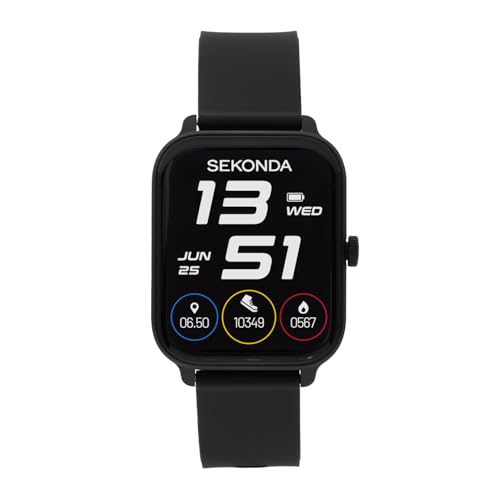
| Smartwatches | Dominant | Accessibility for notifications and features |
| Sport Watches | Non-Dominant | Prevention of interference during physical activities |
Final Thoughts
Your choice provides subtle signals on style and lifestyle. Assessing both comfort and design enhances overall satisfaction, ensuring your timepiece complements your daily routine. Always ensure a snug yet comfortable fit to prevent any distractions throughout the day.
Adjusting Your Timepiece: Tips for Proper Fit on Each Arm
For optimal comfort and functionality, ensure your timepiece fits snugly yet comfortably. To achieve this, follow these guidelines:
Measure Your Circumference
Begin by measuring the circumference of your arm using a soft measuring tape. Wrap it around the area where your timekeeper will sit. Note the measurement for accuracy during adjustment.
Adjustment Techniques
- Removing Links: For metal bands, consider removing links for a tighter fit. Most jewelers can perform this service professionally.
- Adding Holes: For leather straps, additional holes can be punched to achieve the desired tightness.
- Using Extenders: If your timepiece is too small, search for strap extenders tailored for your model, especially for large watches.
- Check Band Stretch: Keep in mind that leather and elastic bands may stretch over time; plan fir adjustments every few months if necessary.
Positioning Guidelines
Positioning impacts both aesthetics and usability. Here are key tips:
- Place the timekeeper above the wrist bone for optimal visibility and movement.
- Avoid excessive tightness that causes discomfort or skin irritation; adjust until a finger can slide between the band and your skin.
- Stay mindful of variations in clothing style; a loose-fitting style may require a tighter fit and vice versa.
Regularly check the fit, especially when seasons change or after physical activities, as swelling can affect comfort. Ensuring proper adjustment maximizes both the functionality and enjoyment of your accessory.
Cultural and Symbolic Significance of Placement for Timepieces
Traditionally, placing a timepiece on the left arm is associated with practicality and functionality. This is largely influenced by right-handed individuals who find it more convenient to access their device with their dominant hand. Conversely, adornment on the right limb is often linked with uniqueness and personal expression, allowing wearers to stand out.
Regional Variations
In certain cultures, the position of a timekeeper can carry specific meanings. For example, in some Asian cultures, the right side symbolizes strength and masculinity, while the left is perceived as delicate and feminine. Consequently, individuals may opt for positioning their accessories based on cultural identity or to convey certain messages.
Symbolism of Gift-Giving
Gift-giving customs often dictate placement decisions. A timepiece presented as a gift may be donned on the opposite side to signify acceptance and appreciation, diverging from the personal norm. This practice reinforces the emotional connection tied to such accessories, elevating their significance beyond mere functionality.
FAQ:
What wrist should I wear my watch on?
Typically, people wear watches on their non-dominant wrist. For most right-handed individuals, this means wearing it on the left wrist, while left-handed people generally prefer the right wrist. This practice helps prevent any wear and damage to the watch due to everyday activities. However, personal preference plays a significant role, and some individuals choose to wear their watch on the wrist that feels most comfortable or stylish to them.
Is there any reason to wear a watch on the left wrist instead of the right?
The left wrist is commonly chosen for watch-wearing because it is usually the non-dominant wrist for the majority of the population, allowing better protection from daily activities. Furthermore, historically, watches were designed with right-handed users in mind, making the crown easier to operate when the watch is worn on the left. However, many people wear watches on their dominant wrist if they find that more comfortable or fashionable.
Are there any cultural differences in which wrist to wear a watch?
Yes, cultural norms can influence which wrist people choose to wear their watches. In some cultures, wearing a watch on a specific wrist can signify different meanings or traditions. For instance, in certain regions, it might be customary for men to wear watches on their left wrist while women wear them on the right. It’s always interesting to explore local customs and adapt accordingly if you are in a different cultural setting.
Can I wear my watch on either wrist?
Absolutely! While there are common practices that suggest wearing a watch on the non-dominant wrist, personal style and comfort should ultimately guide your choice. Many people feel more comfortable wearing their watch on their dominant hand or prefer the aesthetic of it on a particular wrist. What matters most is how you feel wearing it, so feel free to experiment and choose what suits you best.
What should I consider when choosing which wrist to wear my watch on?
When deciding which wrist to wear your watch, consider factors such as comfort, functionality, and style. If you are constantly using your dominant hand for various tasks, wearing the watch on your non-dominant wrist may prevent it from getting bumped or scratched. Comfort is key; choose the wrist that feels most natural to you. Lastly, think about how the watch complements your overall style and outfit, as sometimes the visual aspect can influence your decision.