
 Ethan Cole

Investing in a high-end timepiece requires an understanding of certain elements that contribute to its value. Craftsmanship plays a significant role; meticulous attention to detail in assembly and finishing can elevate an item well beyond standard production methods. Brands known for their heritage and skill often maintain artisanal approaches, utilizing experienced watchmakers and premium materials that enhance longevity.
The choice of materials extends beyond aesthetics. Precious metals, high-grade stainless steel, and gemstones increase both the allure and durability of timekeepers. Limited editions or unique designs often command higher prices due to their rarity and desirability among collectors. Collectors frequently seek specific models that feature distinct complications or unique features, which can dramatically alter appraisal values.
The brand’s reputation also influences pricing. Established companies with a legacy of innovation typically maintain higher price points, as their items symbolize both status and reliability. History plays an essential role, as certain brands carry stories that add to their charm and overall appeal. Investing in a piece from a renowned maker can often assure better resale value in the future.


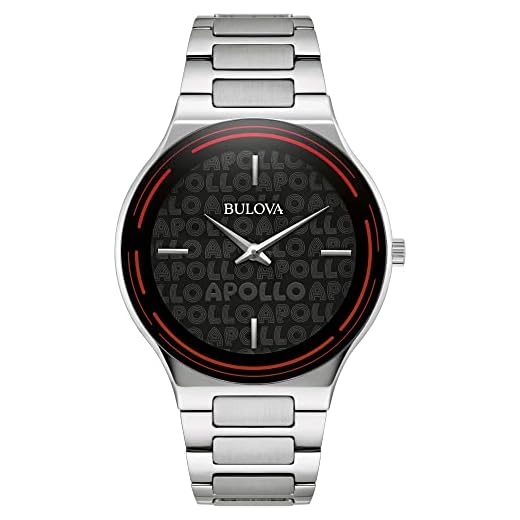
Finally, provenance can significantly enhance an item’s worth. Timepieces previously owned by notable individuals, or those associated with historical events, can fetch extraordinary sums in auctions. Understanding these factors enables potential buyers to make informed decisions when engaging in the luxury market.
Factors Influencing the Cost of a Timepiece
High-quality materials are paramount. Precious metals like gold and platinum significantly enhance value. Stainless steel is widely used, yet luxury brands often incorporate titanium for reduced weight and increased durability.
Craftsmanship plays a critical role; hand-assembled components provide superior precision and durability. Swiss movements are among the most sought after due to their reliable engineering and longevity.
Limited editions amplify desirability. Exclusive pieces often appreciate over time as collectors seek out rare models. Renowned brands frequently produce limited runs to create urgency among buyers.
The brand’s heritage adds prestige. Renowned manufacturers with a rich history often command higher prices due to their established reputation in horology.
Design aesthetic matters. Unique artistry or innovative designs can make a piece stand out, driving up its market value. Many collectors favor iconic styles that have become synonymous with luxury.
Functionality can enhance worth. Timepieces featuring complications such as chronographs, perpetual calendars, or tourbillons require intricate engineering, which reflects in retail price.
- Materials: Gold, platinum, titanium.
- Craftsmanship: Hand-assembled, Swiss movements.
- Exclusivity: Limited editions, collector appeal.
- Brand heritage: Established names in horology.
- Design: Unique aesthetics, iconic styles.
- Functionality: Complications and engineering.
The Role of Materials in Watch Pricing
The choice of materials significantly influences the value of timepieces. High-end variants often utilize precious metals such as gold, platinum, and silver, which contribute to both aesthetics and durability. For instance, 18k gold offers a balance of luxury and resilience compared to standard gold alloys.
Case and Bracelet Materials
Constructing cases and bracelets from stainless steel, ceramic, or titanium can also affect pricing. Titanium is lighter yet more robust than stainless steel, making it appealing for luxury models designed for active lifestyles. Ceramics present scratch-resistant qualities while still offering a sleek appearance, catering to modern design preferences.
Dial and Crystal Options
Dial materials range from simple painted surfaces to complex enamel finishes, influencing the uniqueness of a piece. Sapphire crystals, widely praised for their scratch resistance and clarity, come standard in high-end watches, driving up costs considerably. In contrast, mineral glass, while affordable, lacks the durability of sapphire, marking a noticeable difference in quality.
Understanding the Impact of Brand Heritage
Brand heritage significantly influences the pricing of timepieces. Companies with a long-standing legacy often command higher markups due to their historical significance and established reputation for quality and craftsmanship. Collectors and enthusiasts tend to seek pieces that not only serve the purpose of telling time but also carry a rich narrative behind them.
Historical Significance and Collectibility
Brands that have existed for decades, or even over a century, bring a sense of trust and reliability. Heritage brands often have a catalog of innovations and milestones in horological history that enhance their desirability. Limited editions and vintage models from these companies tend to appreciate in value, making them appealing investments.
Craftsmanship and Identity
The artistry behind a brand plays a crucial role in its market positioning. Renowned manufacturers often employ master artisans, which reflects in the intricacy of the designs and mechanisms. This commitment to excellence fosters a distinct identity that resonates with customers. Such craftsmanship can justify premium price tags and solidify a brand’s status in the luxury segment.
The Significance of Movement Complexity
Investing in timepieces with intricate movements often leads to higher valuations. Among the various types of movements, manual and automatic mechanical designs exemplify superior craftsmanship. These mechanisms require hours of assembly, tuning, and testing, contributing to their premium pricing.
Brands utilizing tourbillons, perpetual calendars, and minute repeaters showcase a commitment to horological excellence. Each complication not only enhances functionality but also reflects technical prowess. For instance, a tourbillon compensates for gravitational errors, resulting in enhanced precision, while a perpetual calendar mechanically adjusts for months with varying lengths.
Collectively, these complexities represent a fusion of artistry and engineering. The labor-intensive production of each component–a balance wheel, escapement, or gear train–amplifies the overall expense. Advanced features such as these often come with limited production runs, reinforcing their exclusivity and desirability among aficionados.
Furthermore, the provenance of the mechanics plays a vital role in value dynamics. Luxury brands revered for their innovative movements often appreciate over time, making them not just adornments but also investments. Understanding the nuances of movement complexity is essential for discerning enthusiasts seeking premium timepieces.
Evaluating Craftsmanship and Finishing Techniques
Examination of craftsmanship and finishing techniques plays a key role in pricing. The precision involved in creating components impacts their value significantly. Hand-finishing, particularly on the movement, dial, and case, reflects the expertise of artisans. Look for signs of meticulous work, such as polished surfaces, intricate engravings, and flawless alignment.
Watchmakers might employ techniques like anglage, or beveling, where edges are polished to create a sharp, visually appealing contrast. This requires significant skill and time, further elevating the piece’s status. Consider the layer of decorative techniques, such as Côtes de Genève or perlage, which adds aesthetic depth to movements.
Furthermore, intricate details–like the finishing on the hands and indices–can signal the level of care the manufacturer invests in each timepiece. A coherent approach to design and finishing indicates a commitment to quality, often correlating with a higher market price.
In addition, the use of specialized tools for traditional methods versus mass production can influence costs. Individualized attention to each aspect, from the casing to the clasp, enhances the overall presentation and integrity of the piece.
Therefore, assess the combination of craftsmanship and finishing as a holistic measure of quality. It reflects not only the physical attributes but also the philosophy of the brand behind the creation. A deeper understanding of these elements can lead to wiser purchasing decisions in the luxury segment.
The Influence of Limited Editions on Value
Limited editions command higher prices in the market due to their exclusivity. Producing a restricted number of pieces instills a sense of urgency among collectors, often leading to increased demand.
Brands can leverage their heritage by creating special releases that commemorate milestones, attracting enthusiasts keen on owning a piece of history. A limited release tied to a significant event or collaboration often garners more attention, thus inflating its market value.
The unique features in these editions, such as distinctive dials, materials, or engravings, further enhance the allure. Customization options can entice buyers, as personal touches make the item more desirable.
Future resale value is another consideration. Limited editions often appreciate more significantly over time compared to standard models. Collectors and investors are keen to secure these items, anticipating greater returns in the long run.
Brands often create a narrative around these exclusive pieces, enhancing their desirability. The story behind a limited edition can add emotional and financial value, making it a more attractive investment for potential buyers.
Assessing Resale Potential and Collector Demand
Focus on brands with established collector bases and vintage appeal to enhance resale value. Models from manufacturers like Rolex, Patek Philippe, and Audemars Piguet often see increased interest and appreciation over time. Research recent auction results and trends to predict future demand effectively.
Market Trends and Historical Context
Analyze historical sales data to identify patterns in demand for specific timepieces. Limited runs or iconic models often appreciate better than mainstream releases. Join collector forums and follow auction houses for insights into desirable pieces and upcoming market shifts.
Condition and Documentation
Maintain timepieces in pristine condition, including original packaging and documentation. Provenance increases appeal significantly. Pieces with certificates of authenticity and service history command better prices at resale.
| Factor | Impact on Value |
|---|---|
| Brand Reputation | High demand for established names enhances resale potential. |
| Rarity | Limited editions garner additional interest and value appreciation. |
| Condition | Pristine pieces with original packaging achieve higher prices. |
| Market Trends | Historical demand impacts future resale pricing and desirability. |
Involve yourself in local meetups and online communities. Engaging with other enthusiasts can provide valuable information and insights on trends and demand forecasts.



