
 Ethan Cole

China currently tops the list as the largest buyer of timepieces, significantly influencing global trends with a substantial share of the luxury segment. Recent reports highlight that affluent consumers in major cities like Shanghai and Beijing account for a considerable percentage of high-end sales.
Following closely, the United States showcases robust activity in the luxury timepiece market. Cities such as New York and Los Angeles are key players, with clientele favoring a mix of classic and innovative designs. Statistical analysis from industry insiders indicates that American buyers show a growing preference for smart technology integrated into traditional designs, blending aesthetics with functionality.
Europe, particularly Switzerland and Germany, remains a significant contender. Swiss craftsmanship commands a loyal following, particularly among collectors and enthusiasts who value heritage and artistry. The craft and precision associated with these regions continue to attract investments in premium brands.
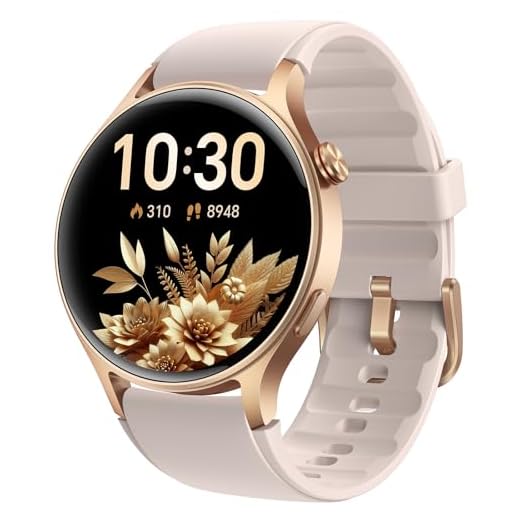

Emerging markets, including the Middle East and Southeast Asia, are witnessing an uptick in demand, reflecting a shift in consumer behavior as wealth increases in these areas. Events like luxury exhibitions in Dubai demonstrate a burgeoning interest in exclusive and limited-edition pieces among affluent buyers.
Sales Distribution by Geography
Asia emerges as the leading marketplace for timepieces, driven significantly by nations like China and Japan. China, in particular, has seen remarkable growth, with an increasing number of affluent consumers seeking luxury brands.
Key Factors Influencing Demand
- Rapid urbanization and rising disposable incomes fuel the appetite for high-end models.
- Culturally significant gift-giving traditions further enhance sales during festive seasons.
- Fashion trends and social media influence drive interest in luxury and smart variants.
Market Trends
The shift towards smart gadgets is notable, with hybrid designs gaining traction among tech-savvy buyers. Traditional craftsmanship still holds value, particularly among collectors who appreciate heritage brands.
Retail strategies in bustling cities emphasize exclusive experiences and personalized services to cater to discerning clients.
Top Countries for Wrist Watch Sales
Switzerland holds the lead in the global market, known for its high-quality craftsmanship and iconic brands. The luxury segment thrives here, driving substantial export revenues.
Japan follows closely, with a remarkable appreciation for both luxury and affordable timepieces. Domestic brands such as Seiko and Citizen have a strong presence, complemented by imports from Europe.
The United States ranks highly due to a diverse consumer base, supporting both premium and accessible options. Marketing strategies targeting millennials and affluent buyers contribute to robust sales figures.
China, fueled by a rising middle class, showcases significant growth in demand for stylish and functional models. This market is pivotal for many international brands seeking expansion.
Germany, renowned for precision manufacturing, remains a crucial player in high-end and technical pieces. Brands like A. Lange & Söhne and Glashütte Original exemplify local luxury.
Italy, with its emphasis on fashion, attracts attention for designer collaborations and unique styles. The synergy between luxury accessories and timekeeping devices boosts overall consumption.
Hong Kong serves as a vital hub for luxury watch trading, benefiting from tourist spending and a strong collector culture, making it an influential market.
Demographics of Watch Buyers by Region
Asia stands out with a significant concentration of affluent consumers, particularly in countries like China and Japan. These markets display a high propensity for luxury and premium timepieces, driven by a rising middle class and increased interest in personal branding.
North America follows closely, characterized by a blend of traditional and contemporary preferences. Consumers here demonstrate a strong inclination toward brands that offer both durability and style, often favoring established American manufacturers as well as European luxury houses.
Europe showcases diverse tastes, with distinct variations across countries. Switzerland remains a powerhouse, known for its craftsmanship. Meanwhile, markets in Germany and France reveal a preference for both classic designs and innovative features, appealing to a broad spectrum of customers.
In Latin America, Brazil and Mexico are emerging markets with growing interest in fashionable and affordable pieces. Young professionals in urban areas contribute significantly to sales, showing a shift toward trendy options rather than purely luxury items.
In Africa, South Africa leads in watch consumption, where a mix of imported brands and local craftsmanship caters to a varied demographic. The rising middle class here is also becoming increasingly aware of international trends and design.
Consumer behaviors vary widely, driven by cultural nuances, economic conditions, and lifestyle choices. Tailoring marketing strategies to these distinct segments can enhance sales potential across these diverse markets.
Impact of Luxury Brands on Regional Sales
Luxury labels significantly influence the acquisition trends of timepieces across different markets. High-end manufacturers such as Rolex, Patek Philippe, and Omega dominate consumer preferences, particularly in affluent areas. Their strong brand recognition drives demand, leading to increased sales figures, especially in North America and Western Europe.
Data indicates that regions with a higher concentration of wealth also display a propensity for purchasing premium brands. In Asia, countries like China and Japan showcase a growing appetite for luxury goods, resulting in a notable uptrend in the acquisition of expensive timepieces. This trend is propelled by young, affluent consumers who prioritize status symbolism associated with luxury labels.
Marketing strategies that highlight exclusivity and craftsmanship resonate well with potential buyers. Collaborations between brands and celebrities further enhance appeal, creating a buzz around new launches. Retail environments that offer personalized services and experiences effectively entice consumers to invest in high-value timepieces.
Local economic factors also play a crucial role. Regions experiencing economic growth or stability witness enhanced consumer confidence, which directly correlates with increased spending on luxury items. In contrast, areas facing economic challenges show reduced sales, particularly in the luxury segment.
Strong distribution networks and e-commerce platforms enable brands to reach a wider audience efficiently, contributing to rising sales figures. Digital marketing campaigns that engage consumers through social media platforms are proving effective in driving interest and facilitating purchases across various demographics.
Ultimately, the influence of luxury brands on market dynamics remains profound, shaping consumer behavior and sales across regions. Continued emphasis on brand heritage, quality, and exclusivity is essential for sustaining growth and capturing the interest of discerning shoppers.
Emerging Markets: Growth in Watch Purchases
Target investments in developing economies where demand for timepieces is rapidly rising. China and India lead this trend, supported by a growing middle class and increasing disposable income. In 2022, China’s luxury segment for timepieces saw an increase of 20%, while India’s value market expanded by 15% within the same year.
Catering to local preferences is crucial. For instance, in China, brands that embrace cultural elements resonate well with consumers. Similarly, in India, craftsmanship and heritage play pivotal roles in buyer decisions. Offering designs that reflect the lifestyle and values of these populations will enhance traction.
Online sales channels are thriving. A significant shift towards e-commerce has been documented, with about 40% of luxury timepiece transactions occurring online in these regions. Brands should invest in robust digital strategies to capture this growing consumer base, utilizing social media platforms to engage potential buyers effectively.
Monitor market trends closely. Insights reveal that eco-friendly and sustainable products appeal significantly to younger consumers in emerging markets. Incorporating sustainability into branding can attract and retain customers in this segment.
Strategic collaborations with local influencers can amplify brand visibility and trust. Partnership with well-regarded figures in lifestyle and fashion can bolster credibility and encourage purchasing decisions among discerning consumers.
Analyze competitive pricing dynamics. Competitive analysis indicates that pricing strategies tailored to local economic conditions significantly influence purchasing behavior. Offering a diverse range of price points can cater to various consumer segments effectively.
Trends Influencing Watch Buying Behavior Globally
Increased interest in sustainability drives consumers towards eco-friendly timepieces. Brands sourcing materials responsibly and adopting ethical production methods resonate with conscientious buyers. Transparency in supply chains builds trust, prompting purchases.
The rise of smart technology influences preferences, blending functionality with traditional craftsmanship. Consumers now favor hybrids that combine classic aesthetics with digital features, appealing to tech-savvy demographics.
Social media platforms play a pivotal role in shaping trends, with influencers promoting luxury styles. Visual platforms create a desire for premium items, leading to impulsive buying among younger audiences. Marketers leverage this by targeting specific online communities.
Economic fluctuations impact spending habits. In affluent markets, luxury segments thrive despite downturns, while value-driven selections gain traction in developing areas. Adaptation to these economic conditions is essential for brands aiming to capture diverse markets.
Cultural shifts toward personal expression enhance demand for unique designs. Customization options allow buyers to connect with their purchases on a personal level, elevating the significance of ownership.
Lastly, the resurgence of nostalgia influences choices, with vintage styles appealing to buyers of all ages. Retro designs evoke a sense of heritage, attracting enthusiasts eager to invest in timeless pieces.


