
 Ethan Cole

Opt for the left hand for wearing timepieces, as it is the predominant choice among men. This practice originates from the historical tendency to use the right hand for tasks requiring dexterity, while the left hand remains more passive.
When considering placements, select a model that complements your lifestyle. For instance, a minimalist design can enhance a professional look, while sporty styles are ideal for casual outings. Ensure the timepiece fits comfortably and securely, preventing distractions during daily activities.


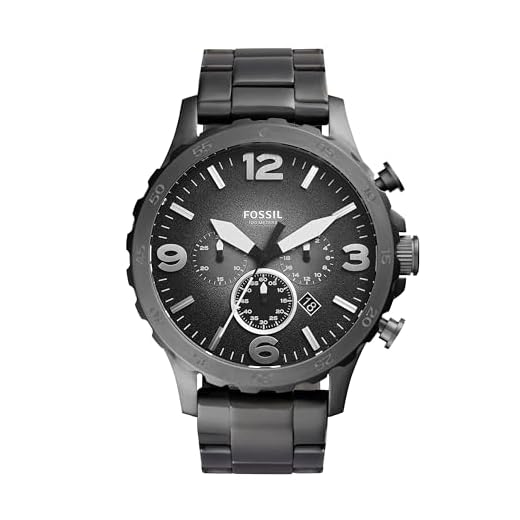
Another key aspect is the visibility of the display. Positioning the timepiece on the left allows for easier glances at your wrist during conversations or meetings. This accessibility plays an important role in maintaining punctuality, especially in busy environments.
Preferred Placement for Men’s Timepieces
The optimal placement for a gentleman’s timepiece is typically on the non-dominant arm. For most individuals, this means wearing the accessory on the left arm if the right arm is dominant, and vice versa for left-handed individuals. This layout protects the accessory from potential damage caused by daily activities and provides convenient access for adjustments.
Considerations for Choosing the Correct Arm
Factors influencing this decision include personal comfort, style preferences, and the activity level of the wearer. Those frequently engaged in sports or manual work may opt for a design that remains secure and unobtrusive during movement. Lightweight materials and comfortable bands can enhance wearability.
Comparison of Arm Usage
| Dominant Hand | Preferred Arm for Timepiece | Reason |
|---|---|---|
| Right | Left | Prevents wear and damage from daily tasks |
| Left | Right | Facilitates accessibility and ease of adjustment |
Ultimately, the choice reflects individual style and practicality, aligning the watch’s functionality with the wearer’s lifestyle.
Understanding Left vs. Right Wrist Watch Wear
Most individuals prefer wearing a timepiece on their non-dominant arm, typically the left. This choice minimizes interference during daily activities, allowing for greater functionality. However, many opt for the right arm due to personal comfort or aesthetic reasons. Assess your preference based on lifestyle and practicality.
Factors Influencing Choice
Consider the following factors when determining your placement: daily tasks, style of the accessory, and personal comfort. If frequent interaction with tools or gadgets occurs, placing it on the less active arm can enhance usability. In casual settings, wrist appearance may dictate the ideal location. A watch should complement your attire seamlessly.
Using Your Watch Effectively
Regardless of placement, ensure the fit allows for easy adjustments and does not restrict movement. Regularly check the watch’s functioning to avoid complications. Ultimately, the best practice lies in personal preference and comfort, allowing your timepiece to reflect your unique style.
Cultural Influences on Watch Wearing Preferences
Regional traditions significantly impact the appropriate placement of timepieces. For example, in some cultures, wearing accessories on the left arm indicates a connection to tradition and formality, while the right may symbolize modernity or personal style. This distinction can be traced back to various historical practices influencing current habits.
In Japan, there is a preference for wearing time-measuring devices on the left due to alignment with the prevalent use of tools and technology in that region. Contrastingly, European customs often allow for flexibility, where individuals might choose arbitrarily based on comfort or aesthetics.
Fashion trends also play a crucial role. Certain periods see the rise of specific styles that dictate how individuals wear timepieces. For instance, the minimalist movement encourages wearing on the non-dominant arm to enhance functionality and subtlety.
Additionally, social influence is a key factor. Public figures and celebrities often set trends, swaying preferences. As seen in various media representations, the choice of arm can underscore personal branding or lifestyle choices.
Understanding these cultural nuances provides better insights into preferences, helping individuals make informed decisions that reflect their backgrounds and social contexts.
Practical Considerations for Daily Activities
Choosing the right placement for a timepiece should align with daily routines and preferences. For individuals primarily engaging in tasks requiring dexterity, wearing on the non-dominant appendage is advisable. This allows for unhindered use of the dominant hand, enhancing comfort and efficiency during activities like typing or manual labor.
Activity-Specific Recommendations
For individuals who frequently use tools or engage in sports, consider a protective and secure fit with a rubber or silicone strap. This minimization of risk aids in preventing damage during vigorous activities. Conversely, for social settings, opting for a classic metal link or leather option can add an element of sophistication while remaining functional.
Comfort and Fit Considerations
Evaluate the clasp or closure mechanism. Those who expect to transition between office settings and active environments may prefer a deployment clasp for ease of use. Regularly assess fit; an overly tight or loose band compromises comfort and accuracy. Lastly, ensure that the watch does not interfere with clothing cuffs, especially in formal scenarios.
How to Choose Based on Dominant Hand
For a seamless experience, consider wearing a timepiece on the opposite arm of your primary hand. For example, if right-handed, position the accessory on the left arm. This practice ensures comfort, preventing interference with daily tasks.
Factors to assess include:
- Functionality: Left-arm positioning allows for easier adjustments and visibility, especially for right-handed individuals.
- Style: Consider how the design complements attire. An elegant piece can enhance one’s aesthetic.
- Activity Level: Engage in daily routines where the positioning might hinder activity. Choose placement accordingly.
- Personal Preference: Ultimately, go with what feels most comfortable. Individual style matters greatly.
Each individual may have unique preferences and circumstances that influence their choice. Testing placement can result in greater satisfaction, ensuring the accessory serves its purpose effectively while remaining stylish.
Watch Mechanism and Strap Impact on Wrist Choice
For comfort and practicality, consider the type of mechanism and strap material when opting for a timepiece. The selection of mechanical or quartz movements can dictate not just the feel on the arm, but also the placement and strap style.
Types of Mechanisms
- Quartz Movements: Lighter and often slimmer, these options usually offer a more streamlined fit, making them suitable for those who prefer wearing their timepieces on the non-dominant arm.
- Automatic Movements: Heavier and bulkier, they can feel more substantial on the wrist. Users may find them more comfortable on their dominant hand, where added weight is less noticeable during daily tasks.
Strap Materials
- Leather Straps: Often stiff at first, softer leather options may mold over time. When choosing this material, evaluate the comfort level depending on the arm’s activity level.
- Metal Bands: Durable but potentially heavier. Those who engage in frequent hand movements may prefer to sport these on their stronger side, as they may shift and feel cumbersome.
- Rubber and Fabric Straps: Lightweight and flexible, these are often ideal for sports activities and provide comfort for wearers regardless of their preferred arm.
Consider how the combination of these factors influences not just comfort but also practicality based on individual routines. Adjusting your choice according to engagement levels in daily tasks can enhance the overall experience of wearing a timepiece.
Fashion Trends and Their Influence on Wrist Selection
Current fashion influences dictate that wearing timepieces on the non-dominant arm is increasingly preferred. This approach allows for easy access and functionality, particularly in professional settings where gestures are common. Choosing a piece that aligns with pop culture trends, such as oversized designs or minimalistic styles, is essential to ensure complementarity with outfits.
Accessorizing plays a pivotal role; pairing a bold dial with casual wear enhances visual appeal, whereas elegant designs align better with formal attire. Awareness of current trends, such as sustainability, has led to a rise in eco-friendly materials, prompting individuals to carefully consider both aesthetics and ethical implications in their chosen accessories.
Layering accessories is gaining traction; combining a watch with bracelets is a stylish choice, reflecting individuality. Attention to color coordination with attire significantly enhances the overall look, making strategic selection vital for personal branding. As style evolves, so does the significance of wristgear in completing a fashionable ensemble.
FAQ:
What are the key factors to consider when choosing a wrist for men’s watches?
When selecting the wrist for men’s watches, you should consider several important aspects. Firstly, determine the dominant hand that the wearer uses; typically, a watch is worn on the opposite wrist of the dominant hand. This allows for comfort and less interference with daily activities. Secondly, assess the size of the wrist in relation to the watch case; a larger watch may appear overwhelming on a smaller wrist, while a smaller watch might look lost on a larger wrist. Finally, consider the style of the watch and the wearer’s personal preferences. Some individuals prefer a casual look, which may influence the choice of wrist depending on the watch type, be it sporty, classic, or dressy.
Is there a specific wrist for wearing a watch that is considered more stylish?
Style is often subjective, but traditionally, many people wear watches on their non-dominant wrist, which is considered more stylish. For instance, if someone is right-handed, they would typically wear their watch on the left wrist, allowing the dominant hand to remain free for tasks. This practice is not only fashionable but also functional, as it helps prevent wear and tear on the watch from daily activities. Additionally, some fashion trends encourage wearing watches on the dominant wrist for a bolder statement, especially with certain types of watches, such as oversized or statement pieces. Ultimately, personal comfort and style preference should guide the decision.
Can wearing a watch on either wrist affect its functionality?
Wearing a watch on either wrist will not affect its functionality in terms of timekeeping or features. However, there are practical considerations that might influence the choice of wrist. For example, wearing a watch on the dominant hand may lead to more exposure to potential damage or wear from daily tasks, such as typing or using tools. This could result in scratches or impacts on the watch. Furthermore, some wearers find that certain watch functions, like stopwatches or smart features, are more accessible when the watch is worn on the non-dominant hand. Overall, while functionality isn’t compromised, comfort and preservation of the watch may be enhanced by wearing it on the non-dominant wrist.


