
 Ethan Cole

Long ago, in the late 19th century, a shift occurred in personal horology, with a significant player, Patek Philippe, emerging as a pioneer. This Swiss brand introduced the portable timepiece that could be worn on the wrist, rather than carried in a pocket. Their groundbreaking designs not only transformed functionality but also elevated wrist-based timepieces to symbols of status and elegance.
Following closely behind, another notable brand, Longines, also contributed to the advancement of these timekeepers. They crafted precise models suitable for athletes and adventurers, enhancing the practicality and appeal of wearing timepieces on the wrist. Such innovations allowed for greater ease of use and accessibility, marking a turning point in the accessibility of timekeeping.

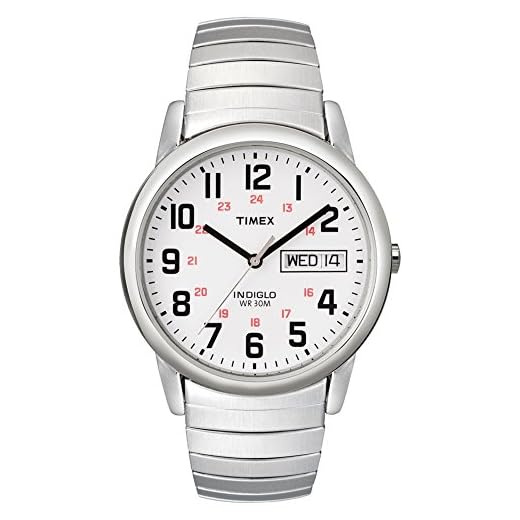
Another key contributor was Girard-Perregaux, which introduced designs that catered to military officers during World War I. These models were rugged and reliable, demonstrating the resilience required for battlefield conditions, while further popularizing the concept of hands-free timekeeping.
These trailblazers not only crafted exquisite portable timepieces but also influenced the industry as a whole, setting the stage for modern horology. Their efforts paved the way for a multitude of designs and functions that we see in contemporary timepieces on the market today.
Historical Context of Wrist Watch Development
Development of timekeeping devices for personal use began in the 15th century with the advent of portable clocks. By the 16th century, these portable mechanisms evolved into smaller forms, paving the way for what would eventually become today’s timepieces worn on the forearm.
Early Innovations
The introduction of the spring-driven movement in the late 15th century marked a significant advancement. This innovation allowed for smaller, more compact designs, facilitating the transition from pocket models to those fit for wearing on the wrist. The practice gained popularity during the 19th century, especially among women, who sought practical adornments that offered both aesthetic appeal and utility.
Military Influence
During the 20th century, demand surged due to military needs. Soldiers required hands-free timekeeping during combat. This necessity accelerated production and highlighted the functionality of these devices over traditional pocket versions. As a result, increased visibility and accessibility became fundamental design elements.
By the mid-20th century, wrist-mounted timepieces had firmly established themselves as not just functional items but also significant fashion statements, leading to a diverse market catering to various tastes and preferences.
Key Innovations by Early Watchmakers
Transition to portable timekeeping led to significant advancements in horology. Notable breakthroughs that shaped watch design and functionality include:
- Miniaturization of Mechanisms: Early artisans reduced the size of clock mechanisms, making them suitable for handheld and eventually wearable formats.
- Winding Mechanism: Innovations such as the key-winding system allowed users to easily power their devices without external assistance.
- Precision in Timekeeping: The introduction of the balance wheel enhanced accuracy, reducing discrepancies in time measurement.
- Materials and Craftsmanship: Development of lightweight metals and durable glass improved both aesthetics and functionality of timepieces.
- Water Resistance: Design adjustments catered to active lifestyles, making timepieces more durable against environmental considerations.
These innovations laid the groundwork for subsequent developments in horology, influencing later designs and functionalities in modern timekeeping instruments.
Notable Figures Behind the First Timepieces for the Wrist
Addressing the origins of timepieces designed for the wrist, two prominent individuals stand out: Patek Philippe and Louis Cartier. Both played a pivotal role in pioneering this innovative design during the late 19th and early 20th centuries.
Patek Philippe
Patek Philippe, founded in 1839, distinguished itself through high-quality craftsmanship and complex mechanisms. The brand’s significant contribution came in 1868, when they created a wrist-mounted chronograph for Countess Koscowicz of Hungary. This marked a notable leap from pocket to wrist, showcasing elegance and functionality.
Louis Cartier
Louis Cartier, a French jeweler, revolutionized personal timekeeping with his designs. In 1904, he introduced the now-iconic Santos model, specifically crafted for aviator Alberto Santos-Dumont. This design eliminated the need to pull out a pocket watch, combining style and practicality for the modern man.
The advancements from both Patek Philippe and Louis Cartier paved the way for widespread adoption, influencing generations of horologists and the evolution of portable timekeeping devices.
Comparison of Early Wrist Timepieces to Pocket Clocks
In the late 19th and early 20th centuries, the transition from pocket timekeepers to wearable models marked a significant advancement in personal horology. These early personal devices were primarily designed for practicality, reflecting changing societal norms and needs.
Size and Portability
Early arm-mounted devices were considerably smaller and lighter than their pocket counterparts. This reduction in size allowed for convenient wear throughout the day, unlike bulkier pocket models that required a fob or chain for safety. Wearers could easily access time on their wrists without fumbling in pockets or bags.
Design and Functionality
Design variations between these two formats were notable. Pocket versions typically featured ornate designs and often served as status symbols, showcasing craftsmanship. Conversely, initial arm-mounted models leaned towards functional aesthetics, emphasizing durability over embellishment, appealing to a broader audience seeking reliability.
Additionally, while pocket timepieces generally utilized winding mechanisms, early wrist-mounted alternatives began to explore automatic and quartz movements later, enhancing accuracy and reducing maintenance efforts. This shift paved the way for modern innovations in personal timekeeping equipment.
Impact of World War I on Wrist Watch Popularity
The conflict significantly altered perceptions and demand for timepieces. Soldiers required reliable instruments for precise timekeeping, leading to increased adoption of timepieces watches/where-should-a-watch-be-worn-on-the-wrist/" class="sa-auto-link" data-sa-rule="4964" title="worn on the wrist">worn on the wrist to enhance accessibility and convenience during combat.
Shift in Fashion and Utility
Post-war era saw civilian interest in these timepieces surge. Returning veterans influenced trends, showcasing practicality gained during military service. Accessories that were once considered merely ornamental gained respect as tools necessary for modern life.
Economic Factors and Mass Production
Manufacturers ramped up production to meet the surging demand. The war had disrupted traditional watch markets, fostering innovation in production techniques. This led to more affordable options becoming available to the general populace, cementing these devices as everyday essentials.
| Factors | Impact on Wrist Timepieces |
|---|---|
| Military Necessity | Increased usage by soldiers led to public awareness. |
| Cultural Influence | Return of veterans popularized functional designs. |
| Manufacturing Advances | Lowered costs, increased availability for consumers. |
This combination of factors propelled these devices into the spotlight, solidifying their status in both fashion and functionality amongst the masses.
Legacy of the First Wrist Watch Manufacturer Today
Influence from early pioneers in portable timepieces continues to shape the horological industry. Key aspects of their legacy manifest in various ways:
- Design Philosophy: Current brands frequently reference distinct aesthetics established by initial craftsmen, blending functionality with elegance.
- Mechanisms: Innovations pioneered by early artisans, such as compact movements, still serve as inspiration for modern watchmakers aiming to create slimmer designs without sacrificing accuracy.
- Brand Heritage: Many present-day manufacturers emphasize their lineage and connection to historical origins, leveraging storytelling to enhance brand loyalty and prestige.
- Cultural Impact: Timepieces have transcended mere utility, becoming symbols of status and identity, a trend initiated by the first dedicated producers.
- Collectibility: Vintage pieces from original producers are highly sought after in today’s collector market, bridging the gap between past craftsmanship and contemporary appreciation.
Understanding these elements offers insights into how initial innovations continue to resonate through the ages, maintaining relevance in a rapidly changing consumer environment.
FAQ:
What was the first company to produce wristwatches?
The first company credited with producing wristwatches is Patek Philippe. In 1868, they created a wristwatch for Countess Koscowicz of Hungary, marking one of the earliest known instances of wristwatches being made for practical use rather than solely as pocket watches.
Why were wristwatches initially created?
Wristwatches were initially created for practical purposes. While pocket watches were popular among men, wristwatches offered a hands-free option, making it easier for individuals, especially soldiers and women, to keep track of time while engaging in daily activities or during wartime. This practicality gradually led to their popularity over time.
How did the perception of wristwatches change over time?
Initially, wristwatches were seen as feminine and not very prestigious compared to pocket watches. However, during the late 19th and early 20th centuries, their functionality became appreciated, especially during wars where soldiers needed easy access to timepieces. By the mid-20th century, they became a symbol of style and sophistication for both men and women.
What technological advancements influenced the development of wristwatches?
Several technological advancements significantly affected the development of wristwatches. The introduction of the quartz movement in the 1970s revolutionized watchmaking, allowing for more accurate timekeeping and reduced manufacturing costs. Additionally, advancements in materials, such as stainless steel and synthetic sapphire, enhanced durability and design, making them more appealing to a broader audience.
Are there any famous brands known for their wristwatches today?
Yes, several brands are renowned for their wristwatches today. Some of the most notable include Rolex, Omega, TAG Heuer, and Seiko. These brands are recognized for their craftsmanship, innovation, and status within the watch community, and they continue to produce high-quality timepieces that are both functional and stylish.



