
 Ethan Cole

For optimal comfort and style, place your timepiece on the non-dominant hand. For the majority of the population, this means wearing it on the left hand if you are right-handed, and on the right hand if you are left-handed.
Wearing a timekeeper on the non-dominant appendage provides easier access and minimizes the risk of damage during daily activities. Additionally, this approach enhances the visibility of the device, making it convenient for quick glances.

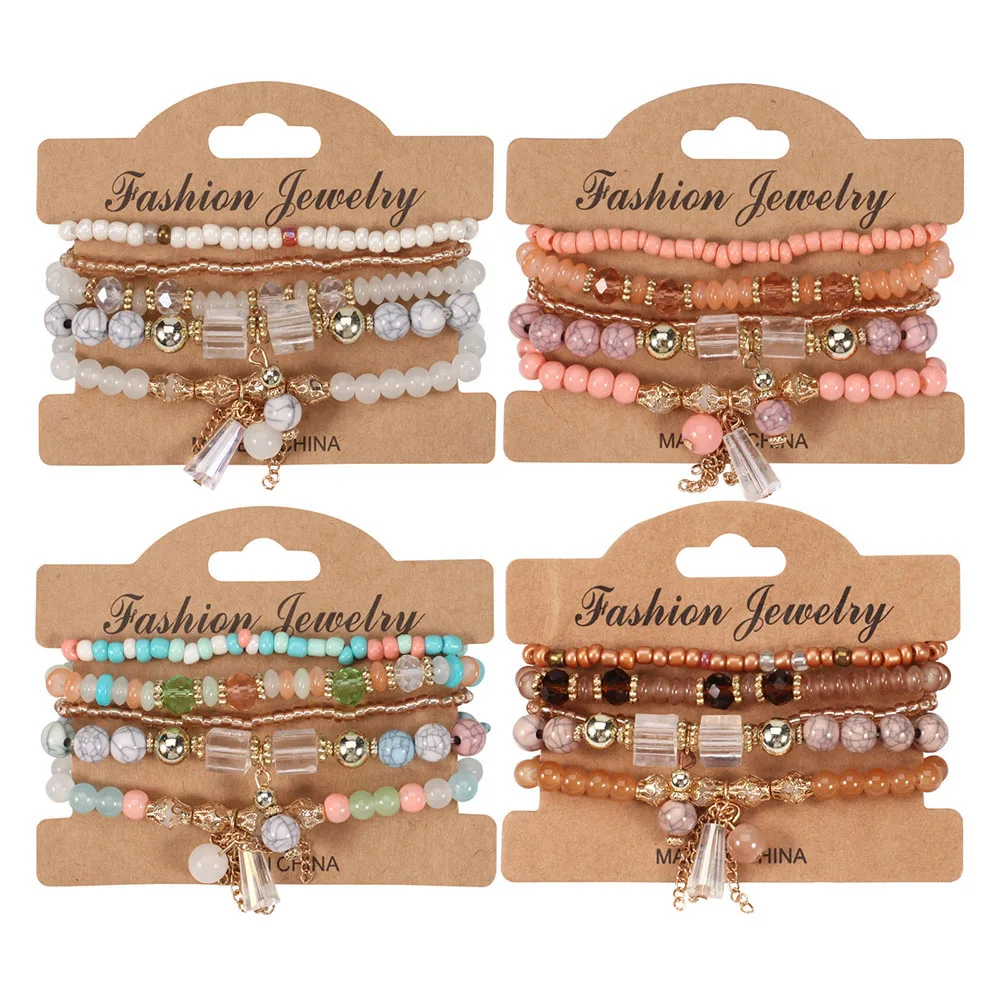
Another option is to consider your fashion choices or activities. For instance, a larger, more robust timepiece can be donned on the dominant side to serve as a statement accessory, while a slender, delicate design complements the non-dominant hand effectively.
Ultimately, personal style should guide your decision. Experiment with different placements to find what feels most comfortable and aligns with your aesthetic preferences.
Choosing the Right Arm for Your Timepiece
For most individuals, sporting their timekeeper on the non-dominant side is commonplace. This approach minimizes potential damage while allowing for easier accessibility. As a guideline, left-handers often opt for the right arm, while right-handers typically wear theirs on the left.
Factors Influencing Your Decision
Consider daily activities that may affect your choice. If your profession involves manual tasks, placing the timepiece on the opposite arm can prevent interference. Additionally, personal style plays a role; for example, certain fashion preferences might dictate which side suits your attire better.
Comfort and Fit
Ultimately, the fit of the accessory is paramount. Ensure it sits snugly without pinching or slipping. Trying different positions can help identify the most comfortable placement, contributing to both style and functionality.
Choosing the Right Wrist for Comfort
Opt for the non-dominant side to enhance ease and comfort. This choice minimizes interference with daily activities and provides a natural fit for the accessory. For right-handed individuals, consider placing the piece on the left side, while left-handed users may benefit from the opposite arrangement.
Ensure the fit is snug but not restrictive. A proper adjustment allows for necessary movement without sacrificing stability. Materials such as silicone or leather can offer increased comfort compared to metal options, which may feel heavier or more rigid.
Pay attention to your lifestyle and habits. If frequently engaging in physical activities, select a lightweight alternative designed for durability. Waterproof models can add versatility for different environments.
Evaluate sensory factors. If sensitivity to tightness is a concern, opt for a model with a flexible strap or deploy adjustable links. Testing various styles can help identify the one that aligns with personal comfort preferences.
Fashion Trends: Left vs. Right Wrist
Choosing to place a timepiece on the left or right arm can reveal personal style and societal influences. Currently, wearing accessories on the non-dominant side remains a popular choice among many. This trend not only highlights functionality but also provides a balanced look.
Color coordination has become paramount. Individuals often match the hue of their accessory with other outfits and embellishments, creating a harmonious appearance. Interestingly, bold colors are gaining traction, encouraging more adventurous choices irrespective of the arm selected.
Gender norms have shifted significantly. Historically, certain styles were deemed masculine or feminine based on placement. Today, individuals confidently select whichever arm they prefer, breaking down traditional barriers. Unisex designs are increasingly popular, allowing wearers to express individuality without concern for conventional standards.
Layering pieces is a growing trend, with multiple bangles or layered straps giving a chic, bohemian vibe. This look can be achieved equally well on the left or right side, emphasizing the personal touch of the wearer while showcasing creativity.
Functional considerations also influence these choices. For instance, if a person needs to take notes or engage in activities requiring their dominant hand, placing a timepiece on the opposite side allows for easier access and mobility.
Ultimately, whether opting for the left or right, the choice is guided by aesthetics, comfort, and personal flair, transcending mere practicality to embody fashion statements.
Considerations for Different Watch Types
The choice of placement for timepieces can vary significantly based on the type. Here are some recommendations tailored for various styles:
- Dress Timepieces: Position them on the non-dominant side to maintain a polished appearance during formal events. This allows for easy visibility without disrupting cuffed attire.
- Sports Models: Typically, functionality is paramount. Wearing these on the dominant side may enhance accessibility during activities, promoting easier adjustments or quick glances.
- Smart Gadgets: Consider the arm that affords better interaction with touchscreens and notifications. For most, this means the dominant side, as it allows for more natural usage.
- Fashion Accessories: Depending on personal style, these can be showcased on either side. Experimentation may yield the ideal look based on outfit combinations.
- Vintage Classics: Often worn on the non-dominant side, these tend to embody elegance. Ensure that the piece sits comfortably to avoid discomfort during prolonged use.
Each type serves its function best when thoughtfully placed, aligning with both practicality and aesthetics. Assess personal preferences alongside the watch characteristics for optimal experiences.
Impact of Handedness on Watch Placement
Left-handed individuals generally favor their right side for timepieces, while right-handed folks tend to choose their left. This preference stems from the dominant hand’s activity levels, influencing convenience and accessibility. Observing this trend can help personalize the experience and ensure comfort during daily tasks.
Practical Considerations
Individuals engaging in activities requiring extensive use of one hand may find it practical to opt for placement on the opposite side. For instance, left-handers in sports or manual work should consider the right for reduced interference. Engaging in certain hobbies might dictate a shift in placement to avoid damage or distraction.
Psychological Factors
Beyond practicality, psychology influences choices. The dominant hand often embodies dexterity and functionality, making the opposite side a symbolic canvas for expression. Some left-handed users may feel more comfortable styled with an accessory on their right side to challenge norms, while right-handed individuals might follow traditional preferences for conformity in social contexts.
Cultural Norms and Their Influence on Wrist Choice
In several cultures, tradition dictates the side for timepiece placement. For instance, in many Western societies, placing these timepieces on the left side is customary, often attributed to the predominance of right-handed individuals. This trend aligns with practicality, as it allows for easier adjustments while maintaining the dominant hand’s functionality.
In contrast, some Eastern cultures reveal preferences for opposite placements. Observations indicate that individuals in certain regions favor the right arm, sometimes reflecting symbolic meanings or personal significance attached to the right side. This variation highlights how cultural beliefs can influence everyday choices.
Religious practices also play a role. In some communities, followers may attach spiritual meaning to particular arm placements, impacting decisions on how to accessorize. For example, certain traditions may promote avoiding adornments on one side, aligning with specific religious teachings.
Moreover, fashion trends often shift based on cultural backgrounds. Accessorizing practices can vary greatly, leading to unique styles that reflect regional interpretations of elegance and function. This diversity in approach showcases how deeply ingrained customs shape individual preferences in timepiece placement.
Understanding these cultural nuances allows for more informed choices regarding accessory habits. It encourages individuals to respect and appreciate varying perspectives while also personalizing their style in a way that resonates with their values and beliefs.



