
 Ethan Cole

In 1868, a pivotal creation transformed personal timekeeping: a portable timepiece designed to be worn on the wrist. This innovation is attributed to the prestigious Swiss company Patek Philippe, which crafted this unique accessory for Countess Koscowicz of Hungary. This exquisite piece merged functionality with fashion, challenging existing conventions of pocket timepieces.
Following this breakthrough, the wrist-mounted device gained popularity during the late 19th and early 20th centuries, especially among military personnel who required hands-free access to time. By World War I, these tools had evolved significantly, prompting widespread adoption. Cartier further enhanced public interest in the early 1900s by introducing its iconic model, which epitomized elegance and sophistication.
Today, timepieces worn on the wrist represent not only utility but also a form of personal expression and style. From classic designs to modern smart technology, this accessory has become an indispensable element of everyday life, evolving with changing tastes and technological advancements while maintaining its core purpose of tracking time.
Origin of the Wrist Watch: Key Historical Moments
Understanding the lineage of this accessory involves acknowledging specific milestones that had a profound impact on its development.

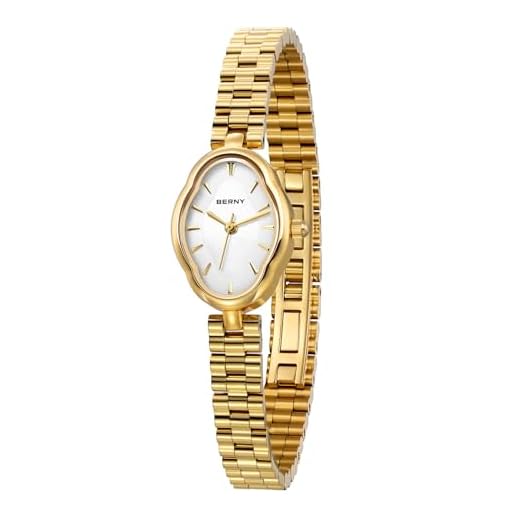
Early Innovations
- In 1868, a significant creation by Patek Philippe marked an essential transition from pocket timepieces to wearable timekeeping.
- During the 1880s, Cartier crafted what is frequently cited as the inaugural commercially successful model, notably designed for pilots.
20th Century Shifts
- The onset of World War I accelerated the adoption of this personal timekeeping device due to military needs for practicality.
- In 1926, Rolex introduced the Oyster, which demonstrated advancements in water resistance, further solidifying popularity and practicality.
These milestones highlight the adaptive nature of portable timepieces through innovation and necessity, underscoring how specific events spurred this transformation. Key developments shifted perceptions and usages, paving the way for modern designs and functionalities.
Pioneers of Wrist Watch Design and Technology
Contributions from early innovators shaped the aesthetics and mechanisms of personal timepieces. One of the notable figures, Louis Cartier, transformed how these instruments were perceived by creating stylish models that appealed to both functionality and fashion. His 1904 design for aviators, known as the Santos, marked a significant shift in design, merging practicality with elegance.
Another key player, Patek Philippe, introduced advanced complications that enhanced the user experience. Their artistry in creating miniature automata and complex mechanisms brought sophistication to personal timekeeping. The brand’s continuous pursuit of excellence influenced the entire industry, setting benchmarks that others sought to achieve.
In the 1920s, the introduction of waterproof cases by brands like Rolex facilitated the use of these devices in various environments. This innovation expanded their popularity among sports enthusiasts and adventurers, who required reliable timekeeping in diverse conditions.
The quartz revolution in the 1970s, spearheaded by Seiko, further pushed boundaries. The company revolutionized precision and affordability, making automatic models less dominant. This shift redefined consumer expectations and fostered the growth of a variety of designs.
Current advancements in materials, such as ceramics and titanium, alongside smart technology integration, continue to evolve these timepieces, showcasing a blend of heritage and future potential. Innovators remain focused on enhancing user functionality while preserving design integrity, ensuring that personal timepieces adapt to contemporary lifestyles.
Influence of Military Needs on Early Timepieces
Military requirements significantly shaped the evolution of timekeeping devices worn on the wrist. During the late 19th and early 20th centuries, soldiers sought a practical alternative to pocket timepieces that could easily be accessed in the heat of battle. This necessity prompted innovations in design and functionality, paving the way for more accessible personal instruments.
The Boer War Catalyst
The Second Boer War (1899-1902) marked a pivotal moment for military timekeeping. Officers began utilizing wrist-mounted devices for improved time management during combat. This shift represented a departure from traditional pocket styles and set a precedent for future developments. The British military’s adoption of these items underscored their practicality, leading to wider acceptance within armed forces across Europe.
World War I Advancements
World War I further propelled the popularity of wrist-mounted timepieces. Soldiers embraced these devices for their convenience, allowing quick consultations without fumbling or exposing their positions. This increased demand led to innovations in durability and water resistance, essential for the varied conditions faced on the front lines. Military contracts encouraged manufacturers to develop robust and reliable models, establishing standards that would influence civilian production in the years to follow.
Transition from Pocket Watches to Wrist Timepieces
Between the late 19th and early 20th centuries, there was a noticeable shift from pocket timepieces to wearable alternatives, primarily driven by changing lifestyles. This period saw an increase in mobility, particularly for men, who began engaging in activities that required hands-free access to timekeeping devices.
Practicality and Functionality
Military engagements catalyzed this transition, as soldiers needed quick access to timing without hindrance. During the Second Anglo-Boer War (1899-1902), soldiers innovatively used pocket models attached to their wrists with straps. This adaptation demonstrated practicality and led to the demand for dedicated wearable models.
Fashion and Social Acceptance
Fashion also played a pivotal role. By the 1910s, renowned brands began to introduce elegant designs catered to the emerging consumer market. As prominent figures adopted these fashionable items, societal acceptance surged, reinforcing their status not just as instruments of timekeeping but also as style statements.
During this evolution, innovations in design and engineering facilitated smaller movements that could comfortably fit on the wrist. This era saw collaborations between artisans and manufacturers, further refining craftsmanship and promoting the aesthetic appeal of these new timekeeping devices.
Cultural Impact of Early Timepieces on the Wrist
The introduction of portable timekeeping devices worn on the wrist marked a significant shift in cultural practices surrounding time management. As a result, these accessories transitioned from mere functional objects to key fashion statements and symbols of status.
Fashion and Identity
Initially, timepieces were predominantly associated with practicality. However, as designers began to incorporate various materials and styles, they evolved into expressions of personal identity. Prominent brands catered to different demographics, enabling individuals to showcase their tastes and social standing through their selected models.
Influence on Daily Routines
The accessibility of these instruments redefined how individuals approached their daily schedules. People became more punctual, as the ability to check time effortlessly encouraged time-consciousness. This cultural shift positively impacted work environments, social gatherings, and even educational institutions, where coordination and planning became more structured.
| Impact Area | Description |
|---|---|
| Fashion | Transformed from utility items to style symbols, influencing trends. |
| Personal Identity | Enabled self-expression, reflecting individual taste and social class. |
| Punctuality | Increased awareness of time management, affecting social and work habits. |
| Commercialization | Stimulated a new market for luxury goods, promoting brand loyalty. |
The lasting impact of these portable timekeeping devices resonates within contemporary society. They continue to serve as both functional objects and cultural artifacts, reflecting the values and aesthetics of each era they traverse.


