
 Ethan Cole

The transition of timekeeping from pocket to arm began in the late 19th century, with the advent of smaller, portable mechanisms. Early models, originally crafted for men, soon found popularity among women, signaling a shift in fashion and functionality.
By the early 20th century, military demands catalyzed the widespread adoption of these compact devices. Troops required convenient ways to coordinate maneuvers, leading to innovations that enhanced durability and readability.
As conflicts concluded, civilian adaptations surged. The Roaring Twenties saw these accessories evolve into style statements, adorned with jewels and elaborate designs. This shift solidified their status not only as tools but as symbols of personal expression.
The mid-20th century ushered in further advancements, integrating automatic winding and quartz technology, making precision more accessible. This period marked a significant turning point, broadening appeal and functionality across diverse demographics.
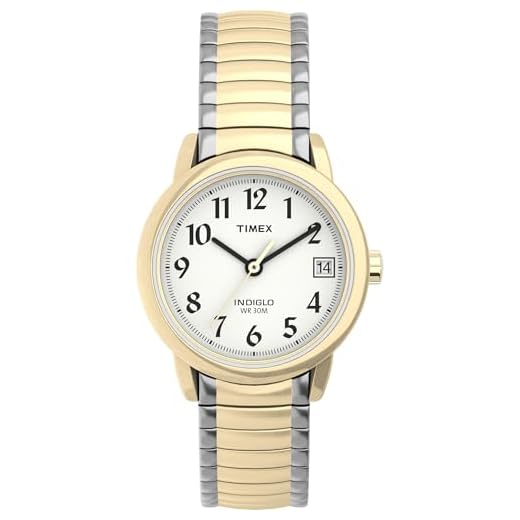


Advent of Timepieces on the Wrist
The emergence of timekeeping devices worn on the wrist can be traced back to the late 19th century. Noteworthy is the year 1868, when a Swiss watchmaker crafted the first known piece designed for a lady, which marked the initial step toward widespread acceptance.
The 1900s saw an uptick in popularity, particularly during World War I. Soldiers found these compact devices more practical than pocket timepieces, leading to increased demand and production.
By the 1920s, the trend accelerated as luxury brands began producing more elaborate models, appealing to both men and women. The introduction of quartz technology in the 1970s further transformed these accessories, enhancing accuracy and affording a broader range of styles.
Ultimately, the convergence of functionality and fashion solidified the status of these devices as everyday essentials in the decades that followed. Today, their evolution continues to integrate advanced technologies and innovative designs, catering to diverse preferences and needs.
The Transition from Pocket to Arm Timepieces
The shift from pocket timepieces to those worn on the arm took shape during the late 19th to early 20th century. Innovations in technology and design played a crucial role in this evolution.
Initially, pocket instruments dominated due to their accuracy and craftsmanship. However, military needs during World War I accelerated the demand for portable alternatives that allowed for hands-free viewing. Soldiers required an accessible solution while in combat, leading to the adaptation of existing designs.
Manufacturers began producing smaller, more durable models that could be strapped to the wrist. Pioneering firms, such as Cartier and Longines, started to market these portable solutions as functional and fashionable. This rebranding helped change perceptions and appealed to both genders.
By the 1920s, wrist timepieces gained mainstream popularity. Factors like changing social norms and the emergence of vibrant advertising campaigns contributed to this cultural shift. The aesthetic appeal combined with practicality led to widespread acceptance in various demographics.
During the 1930s and 1940s, advancements in technology, including quartz movements, improved reliability, further cementing their status. The accessibility of automated manufacturing techniques facilitated mass production, lowering costs and enhancing availability.
By the mid-20th century, arm devices had firmly established their place in daily life, offering both utility and fashion. This transformative journey ultimately paved the way for the diversity and innovation seen in the modern era, significantly influencing timekeeping customs around the globe.
Key Historical Events Influencing Wrist Watch Popularity
The introduction of military timepieces in the early 20th century significantly influenced civilian adaptation of arm-mounted timekeeping devices. Soldiers required hands-free access for synchronization during battles, accelerating acceptance among the general public.
The First World War served as a turning point, where functionality and practicality took precedence over traditional aesthetics. Post-war, returning servicemen popularized these compact instruments for daily wear.
In 1926, the launch of the Rolex Oyster marked a milestone in waterproof technology, appealing to active users and divers. This innovation solidified the association between practicality and luxury, transforming public perception.
The quartz revolution of the 1970s introduced accurate, affordable alternatives, catalyzing a shift in consumer habits. Japanese manufacturers like Seiko spearheaded this movement, making these devices accessible worldwide and driving down costs for conventional mechanized alternatives.
By the 1980s, brands began to explore fashion elements, merging trendy designs with functional aspects. Icons like Swatch introduced vibrant styles, attracting a younger demographic and sparking a cultural phenomenon surrounding personal timepieces.
| Event | Date | Impact |
|---|---|---|
| Military Usage | Early 1900s | Increased civilian adoption |
| First World War | 1914-1918 | Shift towards practicality |
| Rolex Oyster Launch | 1926 | Innovative waterproof technology |
| Quartz Revolution | 1970s | Increased affordability and accuracy |
| Swatch’s Rise | 1980s | Merge of fashion and utility |
Technological Advancements That Shaped Watch Design
The progression of horological technology has directly influenced design aesthetics and functionality. Below are pivotal innovations that transformed timekeeping instruments on the wrist:
- Quartz Movement (1960s): The introduction of quartz technology revolutionized accuracy and reduced production costs. This innovation shifted the focus towards slimmer profiles and increased battery efficiency.
- Water Resistance: Development of waterproofing techniques allowed for the creation of robust designs. The Seiko dive watches in the 1960s exemplified this, appealing to adventurous users.
- Digital Displays (1970s): The emergence of digital readouts changed the traditional concept of timekeeping. This advancement attracted a new audience who preferred modern aesthetics.
- Smart Technology (2010s): The integration of smart features provided functionalities beyond timekeeping. Health tracking, notifications, and connectivity shifted the market focus towards multifunctionality.
- Materials Innovation: Advancements in materials such as ceramic, titanium, and synthetic sapphire have allowed for durable and lightweight designs. These materials have enhanced both aesthetic appeal and functionality.
- Manufacturing Technologies: Precision manufacturing methods, like CNC machining and 3D printing, have enabled detailed intricacy in designs. This has encouraged brands to explore unique and artistic watch styles.
Each breakthrough has contributed to a diversified selection, catering to varying tastes and functional needs, solidifying the place of these instruments in everyday life.
The Role of Military Use in Popularizing Wrist Watches
Military engagement significantly accelerated the adoption of timepieces worn on the wrist. During World War I, the practicality of these accessories became evident as soldiers required quick access to timekeeping without fumbling with pocket versions. The need for coordination in combat highlighted the advantages of hands-free time management.
The Influence of Combat Design
Many designs from that era were specifically crafted to enhance durability and functionality. Materials such as steel and sapphire crystal emerged, catering to the rugged environments faced by military personnel. Brands like Breitling and IWC took advantage of this, producing models that are now iconic for their link to military history.
<h3 Post-War Impact on Civilian Adoption
After the conflict, returning service members promoted these practical timepieces within civilian life. The cultural shift toward wearing timepieces on the wrist grew as veterans sought similar convenience in their daily routines. This transition contributed to the emergence of diverse styles and innovations, making them fashionable and accessible for the general populace.
Cultural Shifts and Their Impact on Wrist Watch Fashion
The emergence of personal timepieces can be linked to changing societal norms and values throughout history. The rise of individualism in the late 19th and early 20th centuries contributed significantly to the popularity of portable timekeeping devices. As people sought to assert their identity and style, adorned devices became a statement of social status and personal preference.
Influence of Gender Roles
Traditionally, these accessories were predominantly associated with masculinity. However, events such as World War I challenged these norms, leading women to adopt these timepieces for practicality and style. This shift catalyzed the creation of feminine designs, paving the way for brands to target a broader audience.
- Early 20th century: Emergence of women’s styles.
- Post-war: Increased female workforce leading to more unisex designs.
- Modern era: Designing for specific audiences, integrating fashion with functionality.
Technological and Cultural Integration
Technological advancements have drastically influenced the aesthetic and functional aspects of these timepieces. The introduction of quartz movements in the 1970s not only improved accuracy but also allowed for innovative designs, appealing to various fashion movements. The luxury market has also seen a fusion of traditional craftsmanship with contemporary trends, showcasing exclusivity.
- 1980s: Rise of plastic and digital models reflecting youth culture.
- 1990s: Return to classic designs with a modern twist.
- 2000s: Smart timepieces integrating technology with daily life.
Current trends emphasize sustainability and individuality, with many consumers favoring eco-friendly materials and bespoke options. As cultural values continue to shift, the demand for unique and ethically produced timepieces is likely to shape future designs significantly.
FAQ:
When did wrist watches first become popular?
The popularity of wristwatches began to rise in the late 19th and early 20th centuries. Initially, wristwatches were considered a women’s accessory, while men predominantly used pocket watches. However, during World War I, military needs encouraged the adoption of wristwatches for their practicality and ease of use in combat. By the 1920s, wristwatches gained acceptance among men, becoming a standard timepiece for both genders.
What were the first wristwatches like?
The first wristwatches were often ornate and more jewelry-like than functional timepieces. Early models were made with delicate materials and featured decorative designs. They were typically smaller and less robust than pocket watches. Some early designs were mounted on leather straps or bracelets, while others were worn like brooches. As technology advanced, manufacturers started creating more durable and accurate wristwatches, catering to the growing demand for practical wearing options.
How did wristwatches change during the 20th century?
Throughout the 20th century, wristwatches evolved significantly in terms of design, technology, and functionality. In the 1920s and 1930s, innovations like the automatic movement and waterproof cases emerged. The 1950s and 1960s brought about the introduction of quartz watches, which drastically improved accuracy and reduced the need for manual winding. By the end of the century, digital watches became popular, featuring displays and functions that traditional analog watches could not offer.
Which brands were influential in the early development of wristwatches?
Several brands played pivotal roles in the early development of wristwatches. Patek Philippe, for instance, produced some of the first luxury wristwatches in the early 20th century. Other notable brands include Longines and Cartier, which helped popularize the elegant design of wristwatches. Additionally, military watchmakers, like Breitling and Rolex, introduced robust and reliable models that catered to the needs of servicemen, further pushing the device into mainstream adoption.
What impact did wristwatches have on society?
Wristwatches brought about a significant shift in how people perceived time and its management. Before their widespread use, timepieces were often stationary and required individuals to check their pocket watches or clocks. With wristwatches, people could easily keep track of time throughout the day. This accessibility changed social interactions and routines, allowing for more punctuality. Additionally, wristwatches became fashion statements, symbolizing status and style, thus playing an influential role in personal expression throughout the 20th century and beyond.


