
 Ethan Cole

Around the late 19th century, timepieces designed for personal wear gained popularity, becoming a stylish accessory for those who valued convenience and practicality. The introduction of miniature movements allowed these devices to be worn comfortably on the arm, shifting the trend away from pocket clocks, which were more cumbersome. The 1860s marked a significant turning point, with advancements in production technologies that made these instruments more accessible and affordable.
During the early 20th century, particularly amid global conflicts, the practicality of these personal timekeepers became evident. Soldiers relied on them for coordinated strategies, leading to a surge in popularity among civilians. By the 1920s, the fusion of functionality and fashion ensured that these items were not just tools for timekeeping but also a statement of personal style.

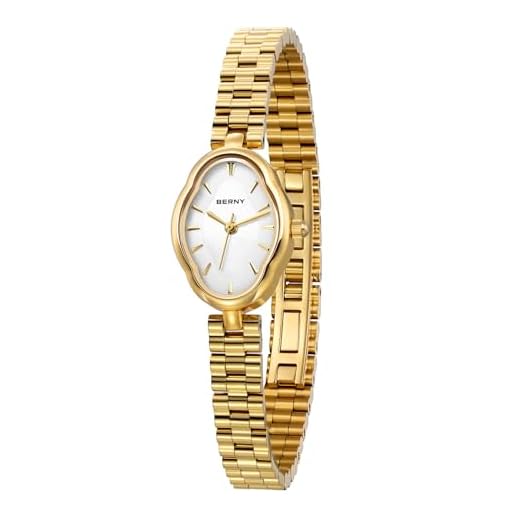
In the decades that followed, innovations in design and materials further solidified their status in daily life. By the mid-20th century, various styles, including sporty and luxury models, catered to a broad audience, establishing them as a staple accessory across different social strata. This seamless integration into everyday wear continues today, demonstrating an enduring influence on personal style and time management.
The Transition from Pocket to Personal Timepieces
The shift from traditional pocket timekeepers to personal devices on the wrist began in the late 19th century. This transformation was primarily driven by technological advancements and changing societal norms.
Technological Innovations
Throughout the 1800s, significant progress in miniaturization allowed for the creation of smaller mechanisms. Key developments included:
- Introduction of the wristlet by watchmakers in the mid-1800s, providing a prototype for future designs.
- Increased precision of movement ensured that smaller, lighter models could maintain accuracy.
- Mass production techniques established by companies like Hamilton and Elgin in the early 1900s, making these timepieces more accessible.
Shifts in Social Practices
Changing lifestyles also played a crucial role. Key factors included:
- World War I saw military personnel favoring these devices for convenience. Soldiers needing to check time during battles found them more practical than pocket versions.
- Post-war culture shifted towards casual wear; smaller, more versatile designs quickly gained popularity among civilians.
- Wrist styles began to be embraced by women, leading to a rise in fashion integration, further enhancing appeal.
By the 1920s and 30s, the personal timepiece had become a staple accessory, marking the end of the dominance of pocket timekeepers. This period laid the groundwork for the diverse selection available today, affirming the timelessness of this transformation.
Impact of World War I on Wrist Watch Popularity
The Great War accelerated the acceptance of timepieces worn on the wrist. Soldiers required practicality and ease of use for timekeeping during combat, leading to a shift from pocket models to those designed for wristwear. Military officials and innovators recognized the necessity of hands-free time tracking, prompting manufacturers to enhance durability and design.
During this period, companies like Longines and Omega began producing robust, water-resistant models specifically for military use. The emphasis on ruggedness and functionality appealed not only to soldiers but also to civilians seeking similar attributes in their accessories post-war.
The war prompted a significant increase in production capabilities, allowing brands to experiment with various designs and mechanisms, further embedding these accessories into daily life. By the early 1920s, wrist pieces became fashionable among both men and women, signaling this shift as a lasting trend rather than a temporary necessity.
The cultural transition was substantial, as dramatic changes in lifestyle and societal norms influenced the perception of timepieces. This evolution marked the beginning of a new era, leading to the widespread acceptance of wrist-mounted timekeepers across various sectors beyond the military.
Role of Celebrity Endorsements in Watch Adoption
Celebrity endorsements have significantly influenced the popularity of timepieces since their emergence. Icons of film, music, and sports have been pivotal in shifting public perception about these accessories, transforming them from mere functional items into symbols of status and style.
Influence of Celebrities on Consumer Behavior
High-profile individuals have leveraged their public personas to accelerate interest in various brands. For instance, Audrey Hepburn’s appearance with a specific design in “Breakfast at Tiffany’s” greatly heightened its desirability among female audiences. Similarly, athletes endorsing sporty models thrive in captivating younger demographics, reflecting an active lifestyle.
Strategic Partnerships and Marketing Campaigns
Brands often align themselves with renowned personalities to create limited editions or exclusive collaborations. Such partnerships not only enhance brand visibility but also establish a sense of authenticity and allure around the product. For example, the connection between certain luxury brands and racing legends has created a legacy that continues to drive sales and elevate brand prestige.
Technological Advancements Leading to Accessibility of Timepieces
The introduction of mass production methods in the late 19th century significantly lowered the cost of mechanical timekeeping instruments, making them accessible to a broader audience. Innovations like the assembly line, pioneered by companies such as Waltham and Elgin, allowed for the efficient manufacturing of high-quality devices at reduced prices. This democratization of timepieces led to their presence among various social classes.
The transition from intricate, handmade craftsmanship to factory production favored standardization. Standardized components enabled repairs and replacements, contributing to longer usability and reliability, which attracted middle-class consumers.
Quartz Movement Introduction
The 20th century saw groundbreaking progress with the advent of quartz technology. Introduced in the 1960s, quartz mechanisms offered unparalleled accuracy and required less maintenance compared to traditional mechanical solutions. This technological shift further expanded market opportunities, with brands like Seiko leading the charge. The affordability of quartz instruments widened their appeal, making them a staple in households globally.
Battery-Powered Innovations
The development of battery-powered models also played a crucial role. These timepieces eliminated the need for winding and provided a hassle-free experience. Consumer convenience surged, allowing individuals to prioritize functionality over elaborate designs, thereby accelerating adoption rates across different demographics.
Current Trends and the Future of Timepieces
Smart technology integration is a key trend shaping the future of timekeeping devices. Wearables equipped with health monitoring features, GPS, and mobile connectivity are increasingly popular among consumers. Brands like Apple and Garmin are at the forefront, continually advancing their offerings to meet user demands for functionality and style.
Sustainability and Eco-Friendly Materials
Another significant development is the shift toward sustainability. Manufacturers are exploring materials such as recycled metals, biodegradable plastics, and sustainably sourced leather. This trend appeals to environmentally conscious consumers, driving brands to adopt greener practices. Eco-friendly timepieces are not only stylish but also resonate with modern values.
The Rise of Customization
Customization options are gaining traction, allowing customers to express their individuality. From interchangeable straps to personalized engravings, the ability to tailor a product enhances its emotional value. This trend fosters a deeper connection between the wearer and the piece, encouraging greater customer loyalty and engagement.


