
 Ethan Cole

Embrace the intrigue of 16th-century Europe, where the concept of portable timekeeping evolved significantly. The invention of small, intricate pocket clocks paved the way for an innovative transformation, leading artisans to envision a design that could be worn on the arm.
In the late 19th century, a significant milestone occurred, as wealthy individuals commissioned models specifically crafted for personal use. These creations combined functionality with a touch of elegance, reflecting the refined tastes of the era. Each piece was a testament to craftsmanship, merging art with precision.
By the early 20th century, practicality began to drive popularity. Military personnel recognized the advantages of having a timepiece readily accessible, further solidifying its status as a necessary accessory. This integration marked a shift towards mass production, enabling a broader audience to enjoy this innovative technology.
Timeline of Early Timepieces on Wrists
1880s marked the introduction of hand-worn timekeeping instruments by elite women in high society. These pieces often featured decorative elements and were primarily viewed as jewelry enhancements.

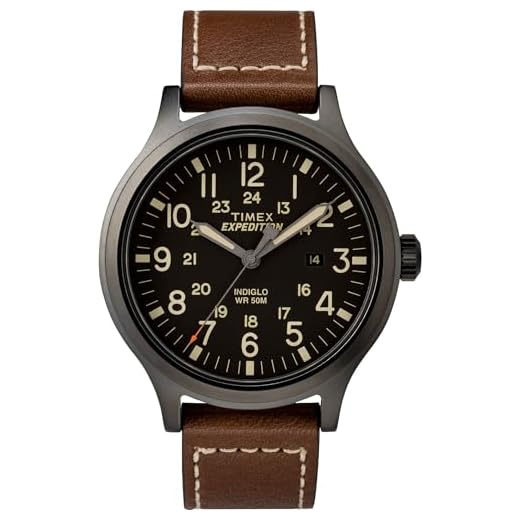
In 1868, a significant milestone occurred with the creation of a prototype designed by Patek Philippe. This innovation primarily catered to the female audience and was characterized by intricate craftsmanship.
1904 witnessed a pivotal shift as Louis Cartier developed a model specifically tailored for pilots. This design aimed at efficiency and functionality, marking the transition towards practicality in wearable devices.
By 1910, men began adopting these accessories, spurred by military demand during World War I. The need for easier time regulation led to the widespread acceptance among soldiers.
Following the war, the 1920s saw a surge in popularity among the general public. Various styles emerged, reflecting evolving fashion trends and societal changes.
| Year | Event |
|---|---|
| 1868 | Patek Philippe creates the first prototype aimed at women. |
| 1880s | Elite women begin wearing ornamental timepieces. |
| 1904 | Louis Cartier introduces a functional design for pilots. |
| 1910 | Men adopt timepieces for military use in WWI. |
| 1920s | Popularity rises among the general public. |
Origins of Wrist Watches in the 16th Century
Around the 16th century, the emergence of portable timepieces transitioned from pocket devices to wearable instruments, marking an essential shift in horology. These early devices were primarily crafted for nobility and wealthy individuals. Jewelers began to innovate by creating smaller and more intricate models that could be attached to clothing or worn on the arm.
Significant Developments
- Mechanisms were adapted from traditional clocks, signifying the beginning of personal timekeeping.
- Materials like gold, silver, and precious stones showcased both functionality and luxury, appealing to affluent clients.
- The use of spring mechanisms allowed for smaller designs, paving the way for future portable mechanisms.
Cultural Influence
During this era, fashion began influencing timekeeping, where decorative elements became vital in the design of these pieces. Their status symbol potential began to be recognized, not just as tools for time management but as expressions of wealth and style.
In summary, the 16th century laid the groundwork for innovations in wearable timepieces, with a focus on aesthetics that would shape their evolution in subsequent centuries.
The Evolution of Portable Timekeeping
Portable timekeeping has undergone significant transformations since its inception. Early devices, such as sundials and water clocks, established the precedent for measuring time, however, the quest for more precise and transportable methods commenced with spring-driven mechanisms in the 15th century.
Impact of Technological Advances
The advent of mechanical movements in pocket models allowed for increased accuracy. By the late 17th century, innovations, including the balance spring, yielded improvements in reliability. This period marked a shift towards more compact devices suited for personal use.
Advent of Bracelets and Straps
Integration of straps transformed timekeeping into an accessory rather than a mere tool. This shift occurred gradually, particularly during the 19th century, influenced by fashion trends. The fusion of functionality and style led to greater acceptance among various social classes and genders.
Notable Inventors and Their Contributions
Abraham-Louis Breguet developed the first self-winding mechanism in 1770, significantly advancing portable timekeeping. He introduced the concept of the “perpetuelle,” making timepieces more practical for everyday wear. Breguet’s innovative methods established him as a cornerstone in horology.
Another key figure, Patek Philippe, co-founded his brand in 1839, focusing on high-quality craftsmanship and elegance. Their 1868 design featured a bracelet format, which laid the groundwork for contemporary wearable chronometers.
In 1868, a unique pocket watch design incorporated a strap, crafted for Countess Koscowicz by Patek Philippe. This creation is often cited as a precursor to modern timekeeping for the wrist.
Hans Wilsdorf founded Rolex in 1905 and played a critical role in popularizing wrist-mounted instruments. His insistence on precision and durability set new standards in the industry, leading to the development of water-resistant models by 1926.
The contributions of these inventors shaped not only the functionality but also the aesthetic appeal of timepieces, highlighting advancements and craftsmanship through the centuries.
The Role of Military in Popularizing Wrist Watches
Military applications significantly influenced the widespread acceptance of timepieces worn on the arm. During the late 19th and early 20th centuries, armed forces recognized that traditional pocket timepieces were impractical for soldiers. This realization led to the increased adoption of timekeeping devices secured to the wrist, enhancing accessibility in combat situations.
World War I Innovations
The Great War served as a pivotal period for wristworn timepieces. Soldiers required quick and reliable means to track time, facilitating coordination in complex operations. Various manufacturers responded to military demands, producing rugged designs tailored for soldiers. The use of luminous dials and shatterproof glass became standard features, ensuring visibility under challenging conditions.
Post-War Popularity
Following the conflict, soldiers returning home brought their newfound appreciation for wristworn timepieces to civilian life. The practicality and usefulness demonstrated in warfare translated into a fashion trend. This phenomenon led numerous watchmakers to innovate and market their creations towards civilians, promoting a blend of functionality and style. As a result, the wristwatch transitioned from military necessity to a fashionable accessory, firmly establishing its place in daily attire.
Cultural Impact of Early Wrist Watch Designs
Adoption of early timepieces on wrists significantly influenced fashion trends, shifting perceptions of elegance and utility. Originally viewed as mere practical devices, these accessories evolved into symbols of status and sophistication. Influential designers like Cartier and Patek Philippe popularized ornate styles that appealed to affluent clientele, intertwining luxury with functionality.
Military applications had a profound effect on public perception, as soldiers utilized these timepieces for precise coordination during conflicts. Their rugged designs and resilience resonated with the wider population, leading to an appreciation for practicality and craftsmanship. Consequently, civilian models began to imitate their robust counterparts, merging style with utility.
Cinematic representations also played a role in shaping cultural attitudes towards wrist-mounted timekeeping instruments. Features in popular films showcased these devices not only as practical tools but as reflections of character and status. This visibility contributed to a narrative that highlighted personal identity, tying the object’s ownership to one’s lifestyle and choices.
Advertising campaigns further cemented this relationship, with marketers promoting timepieces as necessary elements of modern life. As a result, they transformed into coveted items, with various styles catering to diverse tastes while simultaneously capturing the public’s imagination. Antique models became sought-after collectibles, further indicating the deep-rooted cultural significance behind these timekeeping aids.
Integration into daily life has persisted, as wrist-mounted time indicators adapt to trends while maintaining their historical charm. Their evolution continues to bridge the gap between tradition and contemporary aesthetics, demonstrating the lasting impact these items have had on culture and society.


