
 Ethan Cole

To pinpoint the emergence of portable timepieces, we travel back to the late 16th century. The invention of the first pocket clock marked a significant advancement in horology. These timekeepers were initially designed to be carried, finding their way into the hands of nobility and affluent individuals.
By the 17th century, advancements in miniaturization techniques began giving rise to smaller, more user-friendly designs. This era initiated the transition from bulky pocket clocks to the first models that could be directly affixed to clothing, paving the way for the modern timekeeping instruments we see today.

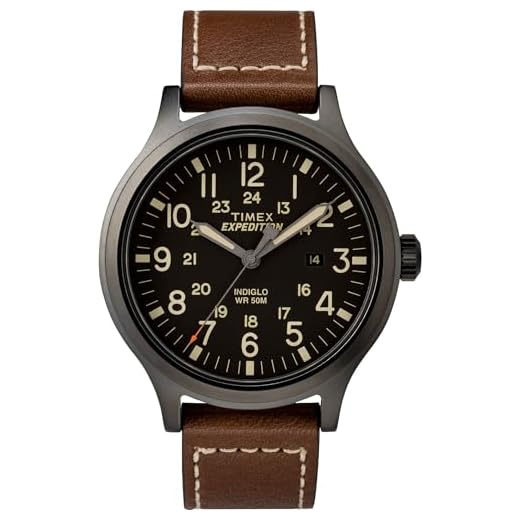
In the 19th century, the concept evolved even further with the introduction of timepieces that could be worn on the wrist. These innovations catered to the needs of military personnel and others who required convenient, hands-free access to time, stimulating widespread popularity among the general populace.
Understanding this developmental timeline enriches one’s appreciation of how these practical instruments transitioned from ornate status symbols to essential everyday accessories, fundamentally altering how we perceive and interact with time throughout history.
The Origins of Timekeeping Before Wristwatches
Timekeeping has evolved through various methods since ancient civilizations. Early humans relied on natural phenomena, such as the sun’s position, to estimate time.
Ancient Methods
The Egyptians developed sundials around 1500 BCE, utilizing the sun’s shadow to indicate time. By the 4th century BCE, Greeks improved this concept with more accurate water clocks, known as clepsydra. These devices measured time through the flow of water.
Mechanical Innovations
During the Middle Ages, mechanical clocks emerged in monasteries. The first recorded instance of a mechanical clock dates back to the 13th century, using gears and weights to maintain accurate time. The use of escapements in these clocks allowed for more precise time measurement.
| Timekeeping Method | Time Period | Description |
|---|---|---|
| Sundial | 1500 BCE | Utilized the sun’s position to cast shadows and indicate time. |
| Water Clock | 4th century BCE | Measured time through the regulated flow of water. |
| Mechanical Clock | 13th century | Employed gears and weights for timekeeping in monasteries. |
The transition from these methods to portable timepieces marked a crucial development in personal timekeeping, paving the way for the eventual creation of the smaller, more convenient timepieces we utilize today.
Key Innovations Leading to the Creation of Wristwatches
Advancements in portability and design significantly contributed to the emergence of personal timepieces. The development of the mainspring in the 15th century allowed for the creation of smaller mechanical movements, enabling a transition from bulky clocks to more compact forms.
The introduction of the balance spring in the 17th century enhanced precision, marking a pivotal moment in timekeeping technology. This innovation allowed timekeeping devices to maintain accuracy, crucial for any personal time instrument.
By the 19th century, mass production techniques, pioneered by industrial advancements, played a pivotal role in making timepieces more accessible. The introduction of interchangeable parts and assembly line production reduced costs and made personal devices viable for the general public.
Furthermore, the late 19th century saw the advent of wristwatches originally designed for military use. These timepieces gained popularity for their convenience, allowing easy reading of time during combat. Feedback from users led to enhancements in durability and water resistance, aligning with practical needs.
During the 20th century, the introduction of quartz technology revolutionized timekeeping. This battery-operated mechanism provided unparalleled accuracy and reduced the need for manual winding, further promoting the adoption of compact timepieces.
Collectively, these innovations transformed a mere necessity into an essential accessory, leading to widespread acceptance and continued development in the field of portable timekeeping devices.
Historical Milestones in Wristwatch Development
The late 19th century marked a significant shift in watchmaking, with the introduction of the first purpose-built timepieces for the wrist in the 1860s, often referred to as “bracelet watches.” These innovative designs were primarily aimed at women, based on the elegant aesthetics of jewelry rather than functionality.
20th Century Advancements
The early 1900s saw a rapid evolution, particularly during World War I, when military needs drove widespread adoption among soldiers for practicality and ease of access. Popularity surged post-war, transitioning from military gear to everyday wear.
Quartz Revolution
The 1970s heralded a profound transformation with the emergence of quartz technology. This developed into a turning point, as quartz mechanisms provided unprecedented accuracy and reduced manufacturing costs, spurring a global competition that ultimately reshaped the industry’s landscape.
Influence of Military and Aviation on Wristwatch Design
Military and aviation greatly shaped the evolution of timepieces worn on the wrist. The demand for precision and reliability under challenging conditions led to specific design innovations that continue to define these accessories today.
Military Innovations
- Durability: Timekeepers required robustness to withstand tough environments. This led to the development of shock-resistant cases and sapphire crystals.
- Illumination: The need for visibility in low-light situations prompted the integration of luminous dials and hands, enhancing readability.
- Accuracy: Military operations relied on synchronization, driving advancements in quartz technology and precise movements.
Aviation Advancements
- Multiple Time Zones: Pilots needed to track various time zones, inspiring the creation of dual-time and world-time functionalities.
- Altitude and Navigation Features: Features such as altimeters and compasses were incorporated, allowing aviators to keep track of their altitude and direction.
- Design Aesthetics: Clean, legible designs with large, easy-to-read numerals became standard, ensuring quick reference in flight.
The collaboration between watchmakers and military organizations paved the way for innovations that enhanced functionality and resilience, setting benchmarks for modern designs in the marketplace. These influences persist in contemporary timepieces, appealing to both professionals and enthusiasts alike.
Comparing Early Wrist Timepieces with Pocket Timepieces
Early wrist timepieces and pocket timepieces exhibited distinct features and functionalities, tailoring to different needs and lifestyles. Wrist models typically offered convenience, allowing wearers to check the time without retrieving a device from their pockets. In contrast, pocket timepieces were larger, requiring a protective casing and chain, which made them more cumbersome for frequent use.
Design and Craftsmanship
The craftsmanship of early wrist models varied significantly from that of pocket types. Wrist variants often focused on lightweight materials to enhance comfort during wear. This led to innovations in bracelet design, allowing for secure attachment without added bulk. Pocket timepieces, crafted primarily from metal, boasted intricate detailing and larger dials, emphasizing artistry and status, rather than practicality.
Functionality and Usage
Functionality also differed significantly. Wrist timepieces began incorporating features such as water resistance and luminous dials for enhanced visibility. Pocket versions, while generally more precise, lacked these advancements due to their stable storage and less demanding usage scenarios. Consequently, the advent of early wrist timepieces marked a notable shift towards practicality and accessibility in timekeeping.
Major Brands and Their Contributions to Wristwatch Evolution
Longines, established in 1832, contributed significantly by creating the first-ever wristwatch in 1867, specifically designed for women. This innovative approach marked a pivotal shift towards personal timekeeping devices.
Rolex, founded in 1905, further advanced the field with the introduction of the Oyster case in 1926, providing unprecedented water resistance and enhancing durability, which led to its widespread acceptance in various environments, including underwater exploration.
Patek Philippe’s introduction of the first perpetual calendar wristwatch in 1925 showcased ingenuity, as this mechanism allowed the watch to automatically adjust for leap years, reflecting precision and sophistication.
Impact of Military and Aviation Innovations
Hamilton’s creation of the first mechanical timepiece specifically for military pilots in the 1930s exemplified functionality, offering pilots an easy-to-read face and enhanced accuracy under difficult conditions. Meanwhile, Breitling emerged as a leader in aviation chronographs, producing watches that catered to pilots’ precise timekeeping needs.
Quartz Revolution and Modern Advancements
The introduction of the quartz movement by Seiko in 1969 transformed the sector, offering unprecedented accuracy and affordability. This innovation led to widespread adoption and redefined consumer expectations, as brands like Citizen followed suit, developing eco-friendly solar-powered models that enhanced the sustainability of timekeeping devices.
FAQ:
When were wristwatches first invented?
Wristwatches were first invented in the late 19th century. Although the concept of a portable timekeeping device dates back to the 16th century with the creation of portable watches, the modern wristwatch is credited to the late 1800s. One of the earliest examples of a wristwatch was made by Patek Philippe in 1868 for a Hungarian Count, which marked the transition from pocket watches to wrist-worn timepieces.
What factors contributed to the popularity of wristwatches over pocket watches?
The popularity of wristwatches surged due to several factors. Firstly, the practicality of wearing a watch on the wrist allowed for easy checking of the time without needing to reach into a pocket. Additionally, during World War I, military personnel used wristwatches for their convenience during combat, which influenced civilian adoption after the war. The subsequent advances in watchmaking technology and fashion trends further solidified the wristwatch’s status as a staple accessory. These factors combined made wristwatches a preferred choice for many people.


