
 Ethan Cole
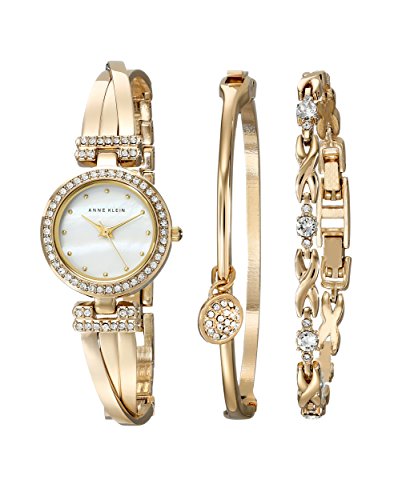
Opt for your left hand for optimal functionality and comfort. Most individuals find it more practical to position personal accessories on the non-dominant side, which minimizes interference during daily tasks. Adjusting the clasp to ensure a snug fit enhances both security and ease of reading.
Consider occasions that warrant specific styles–formal events call for classic designs, while casual gatherings can accommodate sporty models. Selecting materials suited to the climate also enhances overall experience; for instance, metal bands in cooler weather and fabric options during warmer months.
In professional environments, displaying a refined aesthetic is essential. Keep colors neutral and designs understated to maintain an air of sophistication. Conversely, during recreational outings, feel free to experiment with bold colors or unique shapes, expressing personal style confidently.


Optimal Location for a Timepiece
Position your accessory on the non-dominant arm for ease of use and comfort. This allows the dominant hand to remain free for tasks while still keeping the timepiece visible.
Ensure that the band is snug but not overly tight, preventing discomfort during activities. A well-fitted strap will also assist in maintaining accuracy, as movement can affect performance.
Consideration for Style and Activity
During formal events, don the piece closer to the wrist bone; this positioning offers a refined look. For casual outings or sports, adjust it slightly higher for increased mobility and visibility.
Take note of the environment. In professional settings, ensure that it complements your attire and isn’t obstructive. Conversely, when engaging in physical activities, make adjustments to minimize risk of damage or distraction.
Choosing the Optimal Wrist Position for Comfort
Position a timepiece about an inch above the wrist joint. This distance allows for adequate maneuverability while ensuring minimal interference with daily activities. Adjust the strap to achieve a snug fit, preventing excessive movement that could lead to discomfort or friction on the skin.
Consider Arm Movement
Take into account the range of motion associated with your tasks. For active pursuits or sports, a tighter fit closer to the joint may provide stability. Conversely, during sedentary activities, a more relaxed adjustment can prevent the sensation of constriction.
Seasonal Adjustments
Temperature changes impact wrist size. In warmer months, the skin expands; therefore, loosening the band slightly will enhance comfort. In colder weather, a snugger fit can keep the timepiece securely in place without added bulk.
Styling Your Timepiece with Different Outfits
Select a watch that complements your attire and highlights your personal style. This accessory can either stand out boldly or subtly enhance your look, depending on your choice.
Casual Outfits
For laid-back ensembles, opt for timepieces made from canvas or leather. These materials lend a relaxed vibe, matching well with jeans and t-shirts. A sporty model or one with a minimalist design works wonders with casual wear.
Formal Attire
In professional or formal settings, choose elegant designs in metals such as stainless steel or gold. A classic analog watch with a refined dial pairs beautifully with tailored suits. Keeping the strap in leather adds a touch of sophistication.
| Outfit Type | Watch Style | Material |
|---|---|---|
| Casual | Sporty or Minimalist | Canvas or Leather |
| Formal | Classic Analog | Stainless Steel or Gold |
When attending events, consider a statement piece for added flair. This approach creates an impression while still conveying your unique taste. Match the color of the watch with your shoes or belt for a cohesive look.
Lastly, don’t shy away from experimenting with layering. Wearing a timepiece over long sleeves or incorporating bracelets can create an interesting visual contrast while showcasing your fashion-forward mindset.
Considerations for Wearing a Watch at Work
Select a timepiece that complements your professional attire. A classic metal or leather band can enhance a formal outfit, while a more casual fabric strap suits relaxed office environments.
Position is key. Fasten your accessory snugly yet comfortably, ensuring it rests just above the wrist bone. This alignment allows for quick glances, avoiding obstruction during tasks.
Mind the noise. Opt for a silent mechanism if you frequently engage with colleagues or clients; ticking sounds can be distracting in quiet settings.
Customization matters. Select a design and color that aligns with your company’s culture. Subtle colors or minimalist styles often resonate better in conservative workplaces.
Consider functionality. If your role requires hands-on activities, you might prefer a robust design that withstands daily wear and tear, prioritizing durability while maintaining style.
Best Practices for Wearing a Watch During Sports Activities
Secure your timepiece tightly but comfortably to prevent it from moving during vigorous motions. A sliding accessory can hinder performance and distract.
Opt for models specifically designed for athletic use, featuring durable materials and shock resistance. These are better suited for high-impact environments.
Monitoring Comfort and Fit
Adjust the strap to ensure optimal placement on your forearm, allowing for movement without discomfort. A snug fit enhances accuracy in tracking metrics like heart rate or lap times.
Weather and Activity Considerations
Be mindful of conditions. Waterproof options are advisable for water sports, while breathable materials are preferable for high-intensity training sessions. Regularly check for signs of wear, especially after rigorous activities.
Cultural Norms and Their Impact on Watch Placement
Different cultures influence how accessories are sported, including timepieces. In numerous societies, wearing a timepiece on a specific arm signifies personal taste and cultural symbolism.
- Western Norms: In many Western countries, tradition dictates keeping timepieces on the left wrist. This practice stems from the prevalence of right-handed individuals, making it more convenient to operate crowns or clasps with the dominant hand.
- Eastern Traditions: Contrastingly, in certain Asian cultures, individuals might favor the right wrist for aesthetic or spiritual reasons. This choice often reflects deep-rooted beliefs and personal preferences rather than practicality.
- Dress Codes: Formal events in various cultures often dictate specific placements. For instance, some individuals may opt for the left wrist while attending official gatherings to display elegance and adherence to social norms.
- Functional Requirements: In sports-oriented cultures, such as those that prioritize active lifestyles, the arm choice can depend on the sport. Athletes frequently adjust placements based on comfort and functionality, placing items on the less active wrist to avoid interference.
Understanding cultural variations enhances one’s awareness of timepiece etiquette and helps in making choices that resonate with personal identity while respecting social customs.



