
 Ethan Cole

Position the timepiece a few centimeters above the bony protrusion of the arm, generally around the wrist bone, to achieve a comfortable and aesthetically pleasing placement. This positioning allows for natural movement while ensuring the accessory is securely fastened without causing discomfort.
For individuals with larger arm dimensions, consider adjusting the strap for a snug yet relaxed fit, preventing any sliding down the arm during daily activities. Conversely, those with slimmer arms may prefer a tighter grip to avoid excessive movement or distraction.
Observe that the ideal location also varies based on occasion and personal style. Casual settings may permit a more relaxed placement, while formal events often call for a polished and secure positioning closer to the wrist bone.
Furthermore, account for clothing choices; sleeves should ideally rest easily over the timepiece without excessive friction or resistance. The interplay between garment style and the accessory accentuates the overall aesthetic appeal and practical functionality.
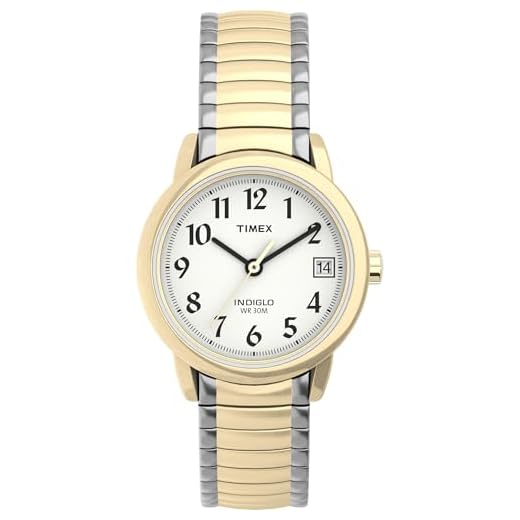

Optimal Positioning for a Timepiece
Position the accessory approximately 1-2 centimeters above the bony protrusion of the hand. This area allows for natural movement while keeping the piece stable.
Avoid having the piece slide excessively towards the palm, as this can impede daily activities and cause discomfort. It’s crucial that the band isn’t too loose or too tight; ensur a snug yet comfortable embrace.
Select the right strap material; leather or fabric offers a traditional look while metal provides a modern edge. Take into account the weight and design, as heavier options may require a higher adjustment for balance.
Consider how the timepiece complements your attire. An accessory should enhance your overall style, not detract from it. Aim for synergy between color and material for a polished appearance.
Monitor how the accessory interacts with movements. If it consistently shifts or causes irritation, reevaluating the size and style may be necessary. Adjust settings based on personal comfort and lifestyle needs.
Understanding Wrist Measurements for Optimal Fit
To achieve precision in sizing, measure the circumference of the area where the accessory will rest. Use a flexible measuring tape or a piece of string. Wrap it around the chosen area and note the length where it meets its starting point.
For a snug yet comfortable experience, add 0.5 to 1 inch to your circumference measurement. This additional length accounts for movement and swelling during daily activities.
Consider the width of the band. A broader strap may necessitate a looser fit to maintain comfort, while a slimmer band often allows for a more snuggly placement. Take this into account alongside your wrist size.
Adjustable fastening systems provide versatility. If you fluctuate between measurements, opt for a model with multiple adjustment options to ensure adaptability over time.
Examining the position of the accessory while worn is essential. It should rest on the bony area of the arm without sliding down into the hand or cutting into flesh. Finding a balance between tightness and looseness enhances usability.
Regularly reassess your sizing as wrist dimensions can change due to factors like temperature and physical activity. Keeping accurate measurements helps maintain a pleasing experience with the accessory.
Identifying Different Watch Styles and Their Placement
Choosing a timepiece involves understanding various designs and their ideal locations on the arm. For casual styles, such as silicone or fabric bands, positioning on the lower forearm enhances comfort during daily activities.
Dress Timepieces
Elegant models with metal or leather straps are best worn just above the wrist bone. This placement maintains a refined aesthetic while ensuring ease of access for time checks. Engaging in formal settings calls for these pieces to rest comfortably, avoiding any distractions.
Sport and Diver Models
Sport-oriented styles, characterized by durability and resistance, benefit from a snug fit just above the wrist bone. This prevents movement during physical activity while proving the resilience of materials against impacts. The emphasis remains on practicality without sacrificing style.
How to Adjust a Timepiece for Comfortable Wear
To ensure comfort, begin by assessing the bracelet or strap length. A proper adjustment prevents movement during activities while allowing some flexibility for natural wrist motion.
Steps for Adjustment
- Remove links if applicable: Use a tool to push out the pins connecting links for metallic straps, or consult a professional for assistance.
- For leather or fabric bands: Look for holes or adjusters. Trim if necessary but avoid excess cutting, as it limits future adjustments.
- Test the tightness: After adjusting, place it on your arm. It should rest comfortably without pinching the skin or leaving deep impressions.
- Wear for a few hours: Pay attention to pressure points or discomfort, and make additional tweaks as needed.
Maintenance Tips
- Regularly check for wear and tear on the strap or links, replacing as necessary.
- Keep the area around the clasp clean to ensure smooth operation.
- Avoid exposure to excessive moisture, which can affect materials and function.
Signs Your Timepiece Is Positioned Incorrectly
If the accessory slides down your forearm, it’s too loose. Aim for snugness without discomfort. Check for a gap of more than two fingers between the strap and skin indicating excess space.
Discomfort while moving suggests an improper placement. A correct positioning allows for freedom of movement without irritation. Tightness can lead to pinching and swelling, signaling a need for adjustment.
If the clasp or buckle is resting on the bone of the wrist, it may cause discomfort. A well-placed article should rest on the soft flesh of the wrist, away from bony areas.
Noticing frequent readjustments throughout the day points to ill-fit. A correctly sized piece stays in place during usual activities without needing constant attention.
Difficulty checking the time due to obscured visibility could indicate a problematic location. Ensure that the face is easily readable without tilting your arm excessively.
Finally, an unbalanced look with disproportionate dimensions relative to the arm size could suggest that it’s not the right match. An ideal option complements your overall appearance instead of overshadowing it.
Choosing the Right Material for Wrist Comfort
For optimal comfort, prioritize materials that suit individual lifestyle and skin sensitivity. Leather, for instance, offers a classic look while remaining breathable. Choose genuine leather for its softness and ability to mold to the shape of the arm.
If you prefer a sporty appearance, silicone or rubber straps provide flexibility and moisture resistance, perfect for active use. These materials are lightweight and often easier to clean.
Stainless steel adds durability and an elegant touch, appealing in professional settings. However, it may feel heavier and could irritate sensitive skin; select polished options to reduce friction.
Alternatively, titanium presents a robust yet lightweight choice, ideal for wearers seeking strength without added weight. Consider ceramic as well for its scratch resistance and hypoallergenic properties.
Always take into account climate and weather conditions, as some materials may not perform well in extreme temperatures. Opt for fabrics or mesh for breathable options during warmer months.
Ultimately, experimenting with different finishes and textures can enhance overall enjoyment and ensure a pleasing experience throughout daily activities.
Tips for Trying on Timepieces Before Purchase
Ensure the item aligns with your style by selecting a variety of options to try. Choose different sizes, shapes, and designs to assess how they complement your attire and personal aesthetic.
Adjust for Comfort
Check if the timepiece feels secure without being overly tight. Ideally, it should rest comfortably just below the bone of the forearm, allowing for natural movement without irritation.
Consider Your Activities
Think about daily activities. For sports or active lifestyles, opt for models designed for robustness. If primarily for formal occasions, prioritize elegance and simplicity.
| Evaluation Criteria | Details |
|---|---|
| Size | Should not slide over the hand but also not constrict blood flow. |
| Style | Choose designs that enhance rather than clash with wardrobe choices. |
| Weight | Heavier designs may feel cumbersome over time; ensure it’s manageable. |
| Functionality | Consider whether additional features (e.g., chronograph, water resistance) align with your lifestyle. |
Finally, take time to assess whether the timepiece complements your unique wrist anatomy and preferences, ensuring it represents both style and comfort seamlessly.


