
 Ethan Cole

For a stylish accessory, the left arm is commonly favored for a timepiece. This preference is often attributed to practical reasons, such as ease of adjustment and comfort.
When opting for a bracelet-style item, left-hand placement allows for unobstructed access. Many individuals find this positioning more convenient when interacting with devices or performing daily tasks. However, personal comfort should take precedence.
Those who are left-handed might prefer to position their timepiece on the right arm, providing an optimal fit while minimizing interference. Ultimately, the decision hinges on individual preference and lifestyle.
Preferred Placement for Timepieces
Generally, placing the timepiece on the left arm is considered traditional for most individuals. This choice often stems from the convenience of using the dominant right hand for adjustments and daily tasks.
Many opt for the left side also because it typically allows for easier visibility and operation, especially when engaging in activities like writing or typing. Adjusting the clasp can be more straightforward with the dominant hand, minimizing the need to use the non-dominant side.

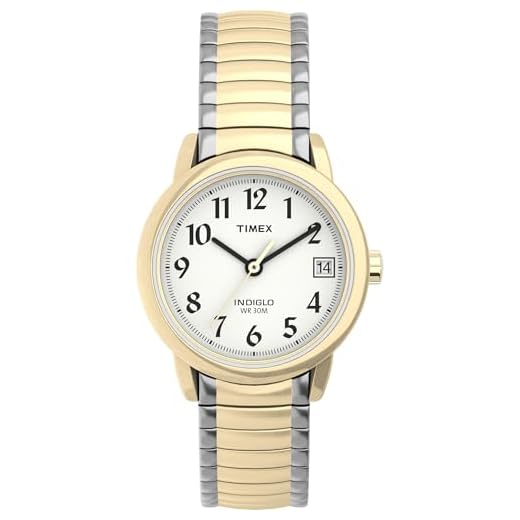
However, personal preference and comfort play significant roles. Some may find it more intuitive or comfortable to position their accessory on the right side. It’s advisable to consider individual habits and lifestyle when making this choice.
Be mindful of the watch’s style as well; bulky designs may fit more comfortably on one side over the other, depending on unique wrist shapes. Fine-tuning the fit can enhance both aesthetics and practicality.
In specific settings, such as professional environments, the choice might also depend on social norms or personal branding, influencing whether to deviate from the conventional norm of left-side placement.
Understanding Traditional Watch-Wearing Norms
Conventional practice often finds timepieces on the left side for ease of access and adjustment, considering most individuals are right-handed. However, left-handed individuals may prefer the opposite side. This preference is rooted in the quest for convenience, minimizing the risk of damage during everyday activities.
Traditionally, style and aesthetics play significant roles in the decision-making process. Certain designs might complement an individual’s outfit more effectively when positioned on a specific side. Also, considerations around comfort and functionality are paramount; ensuring the band fits well and doesn’t irritate the skin is key.
Additionally, historical influences shape these norms. In some cultures, adornments signify social status or milestones, affecting the choice of placement. Some people may even opt to switch sides based on occasion, allowing for versatility in expression.
Technological advancements, such as smart timepieces, also influence norms. These devices, designed for notifications and other functions, may prompt individuals to adopt new habits regarding placement, regardless of traditional practices.
Ultimately, preferences for timepiece positioning are subjective, shaped by individual lifestyles, handedness, and personal style. The interplay of these factors contributes to the rich tapestry of watch-wearing norms, informing choices beyond mere tradition.
Choosing the Right Wrist Based on Dominance
The most appropriate side for affixing a timepiece often correlates with hand dominance. For individuals who predominantly utilize their right hand, positioning the accessory on the left limb is common practice. This placement facilitates ease of adjustment while minimizing the risk of damage during daily activities.
Conversely, left-handed individuals typically showcase their timepieces on the right side. This approach allows for comfortable manipulation and decreases the likelihood of unintentional scratches or impacts, especially in active environments.
When selecting a position, consider factors such as daily activities and the type of accessories used. If engaging in frequent wrist movements or task-oriented actions, choose a side that reduces interference. Ensure comfortable visibility for checking time without straining.
Observing personal preference is also vital. Some opt for aesthetic reasons, preferring a particular side based on overall style or outfit coordination. Ultimately, the choice should reflect individual comfort and functionality rather than strict conventions.
Fashion Trends in Women’s Watch Placement
Opting for the left side remains a classic choice for timepieces, yet contemporary fashion encourages innovation in placement. Some prefer the right side, breaking traditional norms and highlighting individuality.
Layering Accessories
Layering is a popular trend, allowing multiple bracelets to coexist with a timepiece on one arm. This approach offers a stylish flair, particularly with thinner straps and dainty designs. Bold statement pieces can create a striking contrast against more subtle timekeepers, enhancing an overall look.
Personalization and Customization
Customizing straps and dials caters to unique tastes. Brands now offer interchangeable straps and customizable faces. This trend encourages wearers to switch placements based on outfits and events, blending practicality with personal statement.
Additionally, wearing a timepiece on the ankle or on a necklace has gained traction, allowing for fresh interpretations of functionality and style. These unconventional placements capture attention, showcasing creativity and confidence in fashion choices.
Considering Comfort and Functionality
For enhanced comfort and practicality, select the arm that allows for easy access and visibility. Typically, the non-dominant arm is preferred to minimize interference during daily tasks.
Key Considerations
- Evaluate the activities engaged in daily. For example, if frequent writing or manual work is required, placing timepieces on the opposite side is advisable.
- Assess the fit and adjustability of the strap. A secure yet comfortable fit is essential to prevent sliding or pinching during movement.
- Consider the watch’s weight and bulk. Lightweight and slim designs may provide more comfort during extended wear, especially during various activities.
Material and Design Impact
- Choose hypoallergenic materials for sensitive skin to avoid irritation during prolonged use.
- Opt for a design that aligns with personal style, ensuring that comfort does not compromise fashion preferences.
- Explore options with flexible or integrated straps that adapt to different arm sizes and shapes.
Assessing personal habits and preferences can lead to a more tailored and enjoyable experience with a timepiece, balancing aesthetics and functionality effectively.
Influence of Watch Type on Wrist Choice
The type of timepiece significantly affects the choice of placement on the arm. Elegantly designed dress watches are often positioned on the left arm to align with formal attire, enhancing sophistication. Conversely, sporty models tend to be favored on the right side, facilitating ease of use during active pursuits.
Smartwatches, equipped with various features, are more frequently worn on the dominant arm, ensuring accessibility for notifications and functions. This practicality allows for quick engagement without hindrance. For minimalist designs, the placement might reflect personal style rather than functionality, leading to a varied approach based on aesthetic preferences.
Chunky or oversized pieces often get placed on the non-dominant side to balance weight and comfort, preventing strain during daily activities. In contrast, delicate or lightweight options can comfortably reside on either arm, driven more by fashion sensibilities than practical considerations.
Timepieces adorned with extravagant embellishments may influence placement toward the non-dominant side, allowing the wearer to show off the accessory without interruption in daily tasks. As fashion merges with functionality, the type of watch actively shapes habits and personal choices on display.
Cultural Variations in Timepiece Placement
In many cultures, the location of a timepiece can reflect social customs or personal identity. For instance, in Japanese society, it’s customary to place a timepiece on the left arm, symbolizing order and balance. Conversely, in countries like Italy, many prefer to adorn the right arm, often seen as a sign of sophistication and style.
Regional traditions significantly influence preferences. In parts of South America, there is a tendency to wear timepieces openly, an act that showcases pride in one’s accessories. In contrast, Scandinavian countries tend to opt for minimalistic approaches, often wearing more discreet models, focusing on functionality rather than appearance.
Religious beliefs play a role as well; for example, in some cultures, certain days may dictate unique styles or placements as part of cultural observances. Where fashion meets tradition, it’s not uncommon to see ceremonial pieces used distinctively during celebrations, reflecting deeper meanings tied to heritage.
| Region | Common Placement | Significance |
|---|---|---|
| Japan | Left arm | Symbol of order |
| Italy | Right arm | Sign of sophistication |
| South America | Visible on either arm | Showcase of pride |
| Scandinavia | Discreet placement | Focus on functionality |
| Middle East | Right arm during ceremonies | Religious significance |
Understanding these cultural nuances ensures that individuals make informed choices, allowing for personal expression while respecting traditions. Observing these practices can enrich the experience of selecting a timepiece, contributing to a deeper appreciation of the object’s role across various societies.


