
 Ethan Cole

For optimal comfort and style, positioning a timepiece on the non-dominant side is advisable. This approach minimizes the likelihood of damage while allowing for greater visibility during everyday activities.
Statistical data suggests that approximately 90% of individuals favor wearing the accessory on the left arm, primarily due to right-handedness in the population. This trend is practical, as it ensures free movement of the dominant hand and reduces wear and tear on the device.
In specific social settings, wearing a timekeeper on the right side can serve as a distinctive fashion statement. The decision may also hinge on personal preference, taking into account factors such as watch size and individual comfort. Adjustments in clasp type and band design may further influence choice, tailoring the experience to different wrist types.
Which Wrist to Use for a Timepiece
The most common practice involves placing a timepiece on the non-dominant side. For right-handed individuals, this means positioning the device on the left side, and vice versa for left-handed people.
This approach has historical roots, as it allows for easier operation, especially when winding mechanical devices or adjusting features. Additionally, ensuring the timepiece is located in a less active area can help prevent wear and tear.
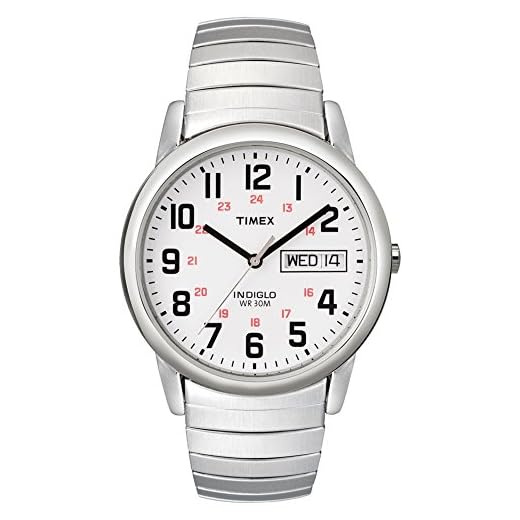


Consider also the style and fit of the accessory. A loose fit may cause it to slide toward the hand, while a snug fit helps maintain an optimal position without interfering during daily activities.
Ultimately, personal comfort and preference play vital roles. Testing different placements during various activities can help determine what feels most natural and practical.
Understanding Traditional Watch-Wearing Norms
The conventional approach dictates that timepieces be positioned on the non-dominant side. For individuals who primarily utilize their right hand, this typically results in placement on the left arm. This custom stems from practicality, as placing a chronometer on the nondominant side minimizes the risk of damage during daily tasks.
Historical practices and societal expectations further contribute to this precedent. In many cultures, the right hand symbolizes strength and activity; consequently, wearing a timepiece on the left side remains prevalent. Yet, as fashion evolves, some opt for the reverse trend, choosing the dominant arm to create a bold statement.
Functional Aspects
Another critical factor to consider involves comfort and accessibility during various activities. Engaging in physical tasks can lead to inconvenience if a piece obstructs movement. Therefore, experimentation with both sides may reveal which position offers greater ease throughout daily routines.
Fashion and Style
Style preferences and aesthetic choices can dictate timepiece positioning. Aligning with fashion trends or aligning with personal style allows individuals to express themselves creatively. Every choice reflects an element of personality, making it a highly individualized decision.
Assessing Dominant Hand Considerations
Opt for placement on the opposite side of your dominant hand. For instance, right-handed individuals typically prefer positioning a timepiece on the left side, while left-handed counterparts might adorn the right arm.
Practical Factors Influencing Positioning
- Sweeping movements of the dominant hand can lead to potential scratches or damage to the timepiece.
- Securing a watch on the non-dominant side allows for greater ease when checking the time without interference.
- Consider daily activities; if involved in tasks that require frequent use of the dominant hand, positioning on the opposite side provides better accessibility.
Style and Comfort
- Wearing on the less dominant side can enhance the overall aesthetic, providing a balanced look.
- Comfort is paramount; ensure the watch does not impede natural movement or create discomfort during prolonged wear.
Choosing Based on Watch Type and Features
Consider wearing a timepiece on the non-dominant side for optimal functionality. Heavy or bulky models can benefit from placement where they are less likely to snag on objects, reducing potential damage.
For smartwatches with interactive features, placement on the dominant side may enhance usability, allowing for easier access to notifications and touch screens. However, this could also lead to quicker wear and tear, particularly if the device is constantly tapped or swiped.
Dress watches typically emphasize aesthetics. Positioning such a model correctly ensures it complements formal attire without drawing attention away from overall presentation. A timeless piece should rest comfortably, accentuating the elegance of dress attire.
Dive and sports timepieces, built to withstand rugged activities, are designed for durability. Secure them on the side that allows for maximum engagement with features such as rotating bezels or chronographs, enhancing performance during active pursuits.
Size and fit play a significant role. A larger diameter watch may feel more balanced on the left, while a slimmer model can appear sleek on either side. Ensure that the strap or bracelet accommodates your style and comfort, adjusting as needed for a snug yet comfortable fit.
Color and material of the design can also impact choice. A bold statement piece may suit creative personalities better on the dominant side, while classic materials may blend seamlessly when positioned on the opposite side.
Style Preferences: Left vs Right Wrist
Choose the left side for a more conventional look, as this is the preferred choice for a majority. It aligns with traditional standards observed throughout history. This placement often allows for ease of access if the dominant hand is right, enabling simple adjustments and visibility.
If opting for the right side, consider a bolder statement. This choice may resonate with those aiming to break away from norms, showcasing individuality. Additionally, wearing a timepiece on the right can accommodate those who frequently engage in activities that might restrict movement on the left.
Style elements should also influence your decision. For instance, larger designs can be more comfortable on the non-dominant side, reducing the risk of obstruction during daily tasks. In contrast, delicate pieces may find a better fit on the dominant side for a refined appearance.
Consider the type of events where the timepiece will be worn. Formal gatherings may benefit from a classic left-side placement, while casual outings might allow for more flexibility. Ultimately, personal taste and lifestyle will dictate the final decision.
Comfort and Everyday Practicality
Opt for a positioning that minimizes discomfort during daily tasks. The dominant hand often interacts with objects, so placing the timepiece on the opposite arm can prevent it from obstructing movement. Generally, left-handed individuals may find comfort in adorning the right arm, while right-handed individuals typically opt for the left.
Factors Affecting Daily Use
Consider the activities engaged in throughout the day. For those involved in manual labor or sports, choosing a location that avoids potential damage or hindrance becomes crucial. A watch placed on a non-dominant arm is less likely to interfere during rigorous actions. Additionally, opting for a lightweight design can enhance overall comfort.
Assessing Functionality
The practicality of a timepiece also relies on its functions. For smartwatches or multifunctional devices, having easy access to notifications and features is essential. Placing such gadgets on the dominant side may offer more convenience, allowing for quick glances and adjustments without interruption. Ensure that any watch worn blends seamlessly into daily routines without causing frustration or distraction.
Personalizing Your Watch-Wearing Experience
Choosing the optimal way to showcase a timepiece combines individual style and functionality. Select options that resonate with personal preferences and daily activities.
Consider the following aspects to personalize how a timepiece is displayed:
| Factor | Recommendation |
|---|---|
| Activity Level | For active lifestyles, opt for a secure fit to prevent movement or damage. This may involve slightly adjusting the positioning for comfort. |
| Fashion Statement | Coordinate with outfits. Bold designs may be best showcased on the left side for visibility, while minimalist styles might suit either side. |
| Watch Functionality | For multifunctional pieces, accessibility is key. Positioning on the dominant side may enhance usability, especially for quick adjustments. |
| Size and Weight | Larger, heavier models might feel more balanced on the less dominant side to avoid discomfort during extensive wear. |
| Personal Style | Incorporate preferences such as color schemes and materials into the decision. A cohesive look can be achieved by matching with accessories. |
Regularly reassess how a timepiece fits within personal style and daily life. This adaptability ensures a watch remains an integral part of your ensemble, reflecting both character and practicality.
FAQ:
What is the traditional wrist for men to wear their watch?
Traditionally, men wear their watches on their left wrist. This convention stems from the fact that most people are right-handed. Wearing a watch on the left wrist allows for easier access and adjustment without interfering with tasks performed by the dominant hand. However, this is not a strict rule, and many individuals choose to wear their watches on the right wrist for personal comfort or style preferences.
Are there any practical reasons for choosing one wrist over the other?
Yes, there are practical reasons for the choice of wrist when wearing a watch. For right-handed individuals, wearing a watch on the left wrist keeps it out of the way while performing activities like writing or using tools. Conversely, left-handed individuals may find it more comfortable to wear their watch on the right wrist for similar reasons. Additionally, some people wear their watches on the opposite wrist to avoid scratching during activities or to accommodate other accessories, like a bracelet.
Does wearing a watch on a specific wrist convey a certain style or image?
Absolutely, the wrist on which a person wears their watch can convey various aspects of their style and personality. For example, wearing a watch on the left wrist, following tradition, may suggest a classic approach to fashion. On the other hand, wearing a watch on the right wrist could imply a more unconventional or modern style. Furthermore, some men pair their watches with specific outfits, leading to considerations about which wrist complements their overall look best. Ultimately, it comes down to personal preference and how one wishes to express their individuality through their accessories.



