Ethan Cole

Position your smart accessory on your non-dominant side. For the majority of individuals, this means placing it on the left arm if you are right-handed, while left-handers will often prefer the right. This arrangement minimizes discomfort and potential interference during daily tasks.
Additionally, ensure the device is securely fastened, allowing it to remain snug against your skin for accurate readings. Positioning the screen towards your body facilitates easier access and visibility, enhancing your experience. Experiment with angles and placements to find what feels most comfortable for extended wear.
Consult the manual of your specific model for any additional recommendations tailored to your device. Personal preference will always play a key role, so trust your instincts regarding what feels right for you. Maximize the potential of your gadget by adhering to these practical tips.

Optimal Placement for Your Smart Device
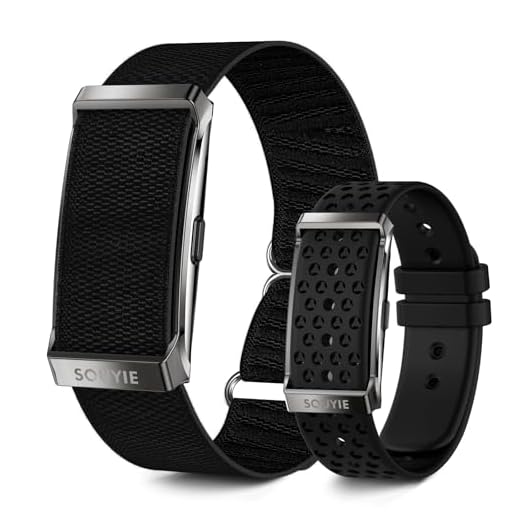
The most common guideline is to position the smart device on the non-dominant limb. For right-handed individuals, this typically means placing it on the left side, while left-handers should opt for the right side. This approach minimizes interference during daily activities, ensuring easier access and interaction.
Personal Comfort and Functionality
Consider comfort and convenience as primary factors. Test both placements to see which feels more natural during various tasks. Adjusting the position may enhance usability, especially for notifications or fitness tracking during workouts.
Stylistic Factors
The design and aesthetics of the gadget may influence your choice as well. If visibility and style matter, one side may complement your clothing or accessories better than the other. Ultimately, aesthetic choices can enhance personal expression while using the device.
Dominant Hand Considerations for Comfort
For right-handed individuals, positioning tech accessories on the left arm typically enhances usability during daily tasks. This placement minimizes interference when writing or using a mouse, offering an unobstructed experience. Left-handed users, conversely, may find comfort with devices on the right side, allowing full dexterity for activities requiring their dominant hand.
Functionality and Accessibility
When contemplating placement, consider how often you interact with notifications or applications. If frequent engagement is expected, opt for the side that provides easier access. Positioning on the non-dominant side can facilitate quick glances without interrupting tasks.
Physical Comfort and Fit
Assess the size of the gadget as well. Bulky models may restrict movement, especially on the dominant side. If there’s discomfort during operation, it’s worth alternating sides until a preferable setup is achieved. Straps with adjustable settings can also help tailor the fit to ensure it sits securely without pinching or sliding.
Health Monitoring and Sensor Positioning
For optimal health tracking, positioning smart devices strategically is key. Placing a device on the non-dominant side enhances accuracy by providing a more stable placement, allowing sensors to function effectively without interruptions from frequent hand movements.
Impact of Sensor Placement
Sensors such as heart rate monitors and pedometers require skin contact to gather accurate data. The non-dominant side generally yields fewer false readings, as it experiences less activity during daily tasks. In particular, avoiding the dominant limb minimizes interference from actions like typing or gripping objects, which can distort vital readings.
Specific Sensor Configurations
Different sensors may perform optimally depending on their location. For heart rate monitoring, maintaining consistent skin contact is paramount. Ensure that your device fits snugly yet comfortably, allowing the sensor to engage with the skin across its entire surface. For motion tracking, select a location that remains stable during regular activities to maintain a clear line of sight for accelerometers and gyroscopes.
| Sensor Type | Optimal Position | Reason |
|---|---|---|
| Heart Rate Monitor | Non-Dominant Arm | Minimized movement interference |
| Accelerometer | Non-Dominant Side | Stable during activity |
| GPS Tracker | Non-Dominant Side | Better signal reception |
In summary, positioning smart devices on the less active side enhances the accuracy of health metrics and ensures reliable data collection, leading to improved health insights.
Styling Choices Based on Wrist Preference
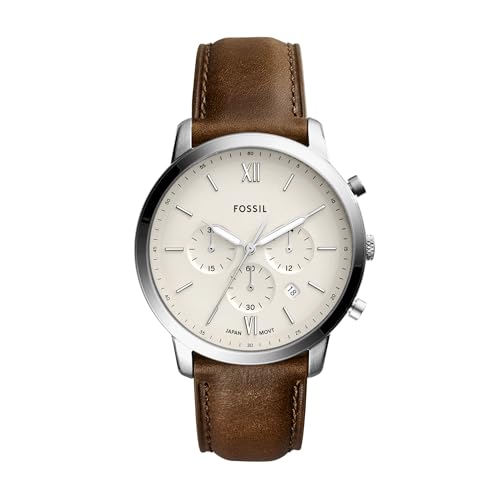
For those who choose to accessorize, positioning your timepiece can influence not only comfort but also style. Right-handed individuals might prefer the left side for a more fluid look with attire that emphasizes ease of use, while left-handed wearers often opt for the opposite side for similar reasons.
Color Coordination
Choosing tones that align with your outfit can enhance aesthetic appeal. For example, silver or gold finishes pair well with neutral clothing, while vibrant colors can add a pop to casual wear. Consider matching the band color to your ensemble for a cohesive appearance.
Layering with Other Accessories
Combining a fitness tracker or bracelet can enhance your overall style. Stacking different styles–such as a minimalist design with a chunky accessory–creates a unique statement. Balance is key; place bulkier pieces opposite your timepiece for a harmonious look.
Choosing the right side can complement not only your lifestyle but also your fashion preferences. Always consider the occasion and the overall impression you wish to convey.
Interference with Daily Activities
Positioning a smart device can significantly impact everyday tasks. For those engaged in frequent physical activities, selecting the non-dominant side reduces interference. This allows for unhindered movement during workouts or manual duties. When considering the placement of a fitness tracker, it is wise to choose the less active hand to avoid discomfort.
For individuals involved in writing or art, ensuring the device stays on the opposite side can enhance productivity. This setup minimizes the risk of accidental touches or interruptions while using tools such as pens or brushes.
Daily Task Management
- While typing, placing a device on the dominant side may lead to unnoticed notifications.
- For those performing tasks requiring precision, such as cooking or crafting, opting for the non-dominant side ensures focus remains unbroken.
- During meetings or discussions, the placement can impact how easily someone can glance at alerts without being disruptive.
Personal Comfort
Comfort should guide the decision regarding placement. Regular adjustments due to discomfort might distract from engaging fully in interactions or activities. The non-dominant position often provides a more natural experience, allowing individuals to maintain their routine without the constant awareness of a device. Consider potential impacts on sleeve length, especially with long-sleeved clothing.
Choosing the optimal side requires consideration of not just routine but also overall comfort. Testing both positions can offer insights into which option integrates more seamlessly into daily life.
Adjusting to a New Wearing Habit
To make the transition smoother, begin by consistently placing your device on the opposite side than usual for a week. This physical adjustment period allows your body to adapt gradually.
Daily Practice and Integration
Incorporate the gadget into regular activities. Engage in simple tasks like using a computer or exercising to familiarize yourself with its presence.
- Try using your non-dominant hand for basic actions, such as typing or writing.
- Set reminders that encourage you to notice the device throughout the day.
- Practice different movements, paying attention to how the technology interacts with your motions.
Feedback and Comfort Adjustment
Pay attention to how it feels during different activities. Comfort is key; if any discomfort arises, reassess your positioning or fit. Look for these signals:
- Pressure on the skin after extended wear.
- Difficulty in performing tasks due to the new positioning.
- Constant reminders or notifications becoming a distraction.
Adjust the fit or change the side if needed, ensuring a balance between functionality and comfort.