
 Ethan Cole

Consider investing in the Seiko 5 Automatic, a reliable and stylish option that effortlessly blends affordability with quality. Its self-winding movement and robust design make it ideal for everyday wear, ensuring you stay punctual without sacrificing style. With a variety of dial and strap options, this model accommodates all preferences.
If you’re leaning towards luxury, explore the Omega Speedmaster Professional, an iconic chronograph known for its heritage and precision. Originally designed for space missions, this exquisite piece captures timeless elegance while offering advanced functionality. Its durable construction and classic aesthetic make it an excellent investment.
For a modern aesthetic paired with sophisticated technology, consider the Apple Watch Series 8. This smartwatch offers advanced health tracking features along with customizable watch faces. It caters to a tech-savvy lifestyle, ensuring you stay connected while keeping an eye on wellness metrics.
Finally, the Tissot PRX presents a unique fusion of vintage charm and contemporary design. With its automatic movement and sleek lines, it serves as a versatile accessory for both casual and formal attire. Tissot’s reputation for craftsmanship ensures that this piece is not only stylish but also durable.
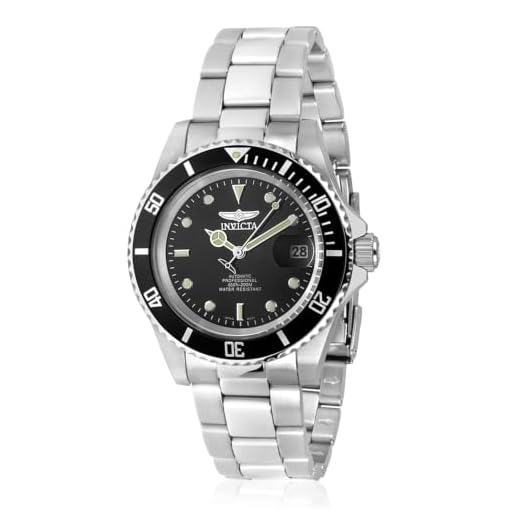

Advice on Selecting a Timepiece
Consider a mechanical model if seeking durability and craftsmanship. Brands like Seiko and Orient offer exceptional automatic movements at accessible prices. For those who prefer quartz, the Citizen Eco-Drive line combines precision and eco-friendliness.
Materials matter: stainless steel provides longevity, while titanium is lightweight and corrosion-resistant. Leather straps are classic but require maintenance; rubber options are great for active lifestyles.
Functionality should align with lifestyle needs. A chronograph may appeal to sports enthusiasts, while a minimalist design suits a more formal setting. Smart functionalities can enhance convenience but may require regular charging.
| Type | Material | Use Case |
|---|---|---|
| Mechanical | Stainless Steel | Everyday Wear |
| Quartz | Titanium | Outdoor Activities |
| Smart | Rubber | Fitness Tracking |
| Classic | Leather | Formal Events |
Research and compare options before making a decision. Check for warranties, as reputable companies offer protection on their products beyond initial purchases. Reading reviews from other consumers can provide insight into performance and satisfaction.
Identifying Your Style Preferences
Consider your lifestyle and personal taste before choosing your next timepiece. A classic design pairs well with formal attire, while sporty models suit casual settings. Evaluate the following elements:
- Material: Stainless steel offers durability, leather adds sophistication, and silicone is perfect for an active lifestyle.
- Color Scheme: Neutral shades like black, silver, or brown provide versatility. Bold colors make a statement, while pastels can add a playful touch.
- Size: Ensure the dimensions complement your wrist. Larger faces suit bolder styles, while smaller designs can appear more elegant and refined.
- Functionality: Decide if you require features like chronographs, water resistance, or smart technology based on your daily activities.
Reflect on these aspects to pinpoint a timepiece that not only serves a purpose but also aligns with your individual style. Take inspiration from fashion icons or social media trends, but stay true to your preferences for a truly personal choice.
Understanding Features and Complications
Focus on specific functionalities that suit your daily activities and preferences. Familiarize yourself with common features that add value to timepieces:
- Date Display: A straightforward feature that provides the current date, enhancing practicality.
- Chronograph: This function allows for precise timing of events, combining a stopwatch with standard timekeeping.
- Water Resistance: Measured in meters or atmospheres (ATM), essential for those engaging in aquatic activities.
- Moon Phase Indicator: Displays the current phase of the moon, appealing to enthusiasts and nature lovers.
- GMT Function: Useful for travelers, this feature tracks dual time zones simultaneously.
Complications Categories
Complications enrich a timepiece and may elevate its aesthetic or functional appeal:
- Calendar Complications: These include perpetual calendars that automatically adjust for leap years.
- Tourbillon: A mechanism designed to enhance accuracy by counteracting gravitational forces.
- Power Reserve Indicator: Displays how much energy is left in the movement, critical for manual wind models.
- Repeater: Chimes the time on demand, a sophisticated feature popular among collectors.
Assess which features align with your lifestyle, ensuring the piece complements not just your wardrobe but also your daily routine. Choose wisely based on functionality over mere aesthetics.
Setting a Budget for Your Purchase
Establish a financial limit before exploring options; this approach streamlines the selection process. Define a clear price range based on your personal finances and needs. Consider including additional funds for maintenance or possible repairs over time.
Evaluating Market Options
Research price points in your chosen category to ensure your budget aligns with market standards. Look for brands that offer models within your desired range, taking note of both new and pre-owned choices.
Prioritizing Features
Determine which attributes hold more significance for you while assessing costs. Distinguish between must-have features and nice-to-haves, enabling you to allocate your budget towards what truly matters in your selection.
Be prepared for potential fluctuations in costs based on brand, materials, and market trends. Remaining flexible can lead to discovering exceptional pieces that may just fall within your funding framework.
Comparing Different Brands and Their Offerings
Tag Heuer is renowned for its sports models, particularly the Monaco and Carrera lines, combining precision with a rugged aesthetic. For those who prioritize modern elegance, look toward Longines, showcasing classic designs with Swiss craftsmanship in pieces such as the Master Collection.
Luxury vs. Accessible Options
Rolex represents the pinnacle of luxury timepieces, known for iconic models like the Submariner and Daytona, commanding high resale values. In contrast, brands like Seiko provide quality craftsmanship at accessible price points, offering reliable automatic movements found in the Seiko 5 series.
Specific Functionality
For individuals seeking advanced features, brands like Breitling specialize in aviation-inspired instruments, such as the Navitimer, equipped with sophisticated chronograph functions. Citizen, on the other hand, is notable for eco-friendly technology with its Eco-Drive series, using solar power for sustainable performance.
Considering Maintenance and Lifespan of Timepieces
Prioritize timepieces with a reputable history of reliability and durability. Look for models crafted from high-quality materials such as stainless steel, sapphire crystal, and ceramic, which contribute to longevity and resistance to scratches.
Regular servicing is key. Aim for professional maintenance every 3 to 5 years, depending on the mechanism. Mechanical movements generally require more attention compared to quartz pieces.
Be mindful of warranty offerings. A longer warranty period indicates confidence from the manufacturer and can alleviate future repair costs.
Research care recommendations specific to the type of movement. For instance, automatic mechanisms may benefit from consistent wear or a watch winder to maintain lubrication of internal gears.
Assess how often you intend to wear the timepiece. Daily wear demands a robust build versus occasional use, which may allow for more delicate designs.
Consider brands known for superb customer support and repair services. This will ensure assistance is available should any issues arise, enhancing the overall lifespan experience.
Evaluate the ease of finding replacement parts. Certain models may become obsolete, making repairs difficult. A timepiece that maintains a steady supply of parts can prove more reliable over its lifetime.
Finally, store your valuable pieces correctly. Use appropriate boxes or pouches that protect against impacts and environmental factors, prolonging their service life significantly.
FAQ:
What factors should I consider when choosing a wristwatch?
When selecting a wristwatch, several key factors come into play. First, think about your lifestyle. Are you looking for something casual, formal, or sporty? This will guide your style choices. Next, consider the watch’s functionality. Do you need features like a chronograph, date display, or water resistance? The watch movement is also important; you can choose between mechanical, automatic, or quartz movements based on maintenance preferences. Additionally, consider the material of the watch case and strap. Stainless steel, leather, or ceramic each offer different aesthetics and durability. Lastly, set a budget that fits your expectations, as the market has a wide range of options at various price points.
How do I determine the right size of a wristwatch for my wrist?
Determining the right size for a wristwatch involves measuring your wrist circumference. Start by wrapping a measuring tape or a piece of string around your wrist where you typically wear a watch. Once you have the circumference, convert that measurement into millimeters. Most wristwatches have case sizes ranging from 34mm to 50mm in diameter. A good rule of thumb is to choose a watch that is proportional to your wrist size; smaller wrists often look better with smaller watches (34mm to 40mm), while larger wrists can accommodate bigger cases (40mm and above). Additionally, consider the thickness of the watch; a slimmer watch can provide a more elegant look, while a thicker one may have a sportier appeal. Trying on different styles in person can also help you figure out what feels comfortable and looks proportionate.


