
 Ethan Cole

In the 16th century, a remarkable evolution in horology took place with the design of portable timepieces. Among the pivotal figures was a craftsman named Peter Henlein, credited with producing some of the earliest forms of a wrist-bound mechanism. His innovations laid the groundwork for what would eventually lead to the popularization of these personal timekeepers.
Despite the initial conception occurring in the 1500s, it was not until the 19th century that a functional design found widespread acceptance. The watchmaker Abraham-Louis Breguet made significant strides during this period, enhancing precision and usability, which contributed to greater interest in wrist-worn timepieces. As a result, the public began to recognize their practicality and elegance.
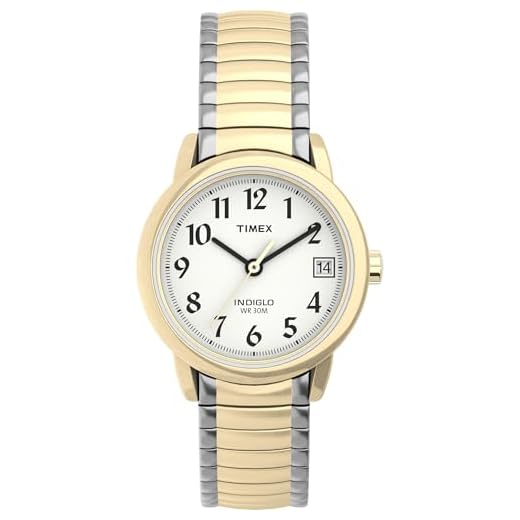


By the late 1800s, French and Swiss artisans further refined the concept, producing the first examples marketed explicitly as wrist-worn instruments. The advent of these devices marked a shift in consumer habits, with an increasing number of individuals adopting them for daily use. Such advancements anticipated the trend of wearing timepieces openly, which eventually became a staple in fashion and functionality.
Origins of the First Functional Timepiece on the Wrist
The creation of a portable timekeeping device worn on the arm is credited to a certain Swiss watchmaker in the late 19th century. This individual developed a timepiece specifically designed for women, showcasing both artistry and practicality. The 1868 model was characterized by its unique combination of elegance and innovation.
Three decades later, significant advancements were made as more elaborate mechanisms were integrated. Notable contributions from various artisans led to the evolution of these devices into fashionable accessories suitable for men as well. By the early 1900s, wristwear gained popularity during the First World War, becoming a staple item for soldiers and military personnel.
Military usage highlighted functionality, and manufacturers focused on durability and precision in production. As a result, the design of these timepieces became more robust, establishing their place in everyday wear. The trend continued to grow, transforming from a niche accessory into a fundamental item in personal attire.
The early innovations laid a foundation for modern horology, influencing contemporary styles and mechanisms. As fashion and utility merged, the legacy of those initial designs remains evident in today’s array of arm-mounted time instruments.
Understanding the Origin of Timepieces
The development of portable time-measuring devices began in the late 15th century, leading to the creation of small clocks that eventually evolved into contemporary instruments. These early models were often adorned with intricate designs, displaying craftsmanship and artistry. The progression from pocket versions to wearable devices showcases a shift in societal needs and functionality.
Key milestones in this evolution include:
- 16th Century: The introduction of springs allowed for smaller designs, making it feasible to carry timepieces in pockets.
- 17th Century: Innovations in escapement mechanisms significantly enhanced accuracy, paving the way for more reliable portable devices.
- 19th Century: Mass production techniques emerged, widening accessibility and transforming personal timekeeping.
- 20th Century: The transition to wrist models became mainstream, popularized by both functionality and fashion trends.
Understanding the development of these devices reveals both technological advancements and societal changes, reflecting how individuals interacted with time. The merging of art and mechanics, particularly in the miniaturization of components, set the foundation for today’s diverse range of timepieces on the market.
The Role of Pocket Watches in Watch Evolution
Pocket timepieces significantly influenced the design and functionality of modern equivalents, showcasing intricate craftsmanship and precision engineering. Their portability and accuracy laid the groundwork for future timekeeping innovations.
Initially, these devices served primarily as status symbols among the elite, often decorated with elaborate engravings and gemstones. They provided not only the time but also reflected the owner’s wealth and taste, propelling advancements in horological technology.
During the 19th century, the introduction of mass production techniques allowed for wider accessibility. This democratization of personal timepieces accelerated design evolution, inspiring new shapes, sizes, and functionalities that would eventually be adapted into wearable variations.
The need for convenience led to the gradual transition from pocket devices to wrist formats, especially during wartime, where soldiers required hands-free access to time. This shift marked a pivotal moment in the evolution of horological designs, merging functionality with fashion.
In summary, pocket timepieces not only represented a technological breakthrough but also facilitated cultural change, paving the way for the wrist versions that followed. Their legacy continues to influence contemporary designs and craftsmanship in the horology field.
Pioneering in Timepiece Development
Innovators in horology significantly shaped the evolution of portable timekeeping devices. Notable figures include the German craftsman Abraham-Louis Breguet, whose advancements in escapement mechanisms in the late 18th century enhanced accuracy. His introduction of the tourbillon further refined precision in movements.
Key Contributors
| Name | Contribution |
|---|---|
| Abraham-Louis Breguet | Modified escapement, introduced tourbillon |
| Maillardet | Developed early portable timepieces for women |
| Louis Cartier | Popularized fashionable designs in the early 20th century |
| Hans Wilsdorf | Founded Rolex, emphasized wrist-mounted devices |
The transition from pocket to portable devices was accelerated by necessity, particularly during the wars in the 19th and 20th centuries, when soldiers required practical timekeeping solutions. This shift endorsed the wrist version as a staple in personal accessories, marking a significant moment in timekeeping history.
Technical Innovations Behind Early Wrist Watches
Key advancements in miniature mechanics greatly facilitated the development of portable timepieces. Innovations in escapements, such as the lever escapement, allowed for improved accuracy and reliability. This mechanism significantly reduced friction and wear, enhancing the longevity of these devices.
Another significant breakthrough was the introduction of the coiled mainspring, which replaced earlier weight-driven systems. This allowed for smaller designs, enabling compact forms that fit comfortably on the wrist. The ability to store energy efficiently in a compressed state encouraged a shift towards wearable models.
The advent of new materials played a pivotal role as well. The use of lighter alloys and materials for gears and cases helped reduce the overall weight. These advancements contributed to the comfort and practicality of arm-mounted timepieces.
Precision manufacturing techniques, such as machining and later mass production methods, allowed for standardized components. This consistency in quality created a more reliable product, making wrist-mounted timepieces accessible to a broader audience.
Lastly, aesthetic design elements emerged alongside these technical improvements. Decorative features, including ornamental cases and dials, were integrated into the functionality, making these instruments not just practical tools but also fashion statements.
Influence of World Events on Watch Design
Global events have significantly shaped the aesthetics and functionality of timekeeping instruments throughout history. Each milestone in human history has brought about changes in design, materials, and technology used in horology.
- Military Conflicts: The conflicts of the 20th century, particularly World War I, catalyzed the shift from pocket pieces to strapped devices. Soldiers required hands-free access to timekeeping, prompting manufacturers to develop more robust and practical designs.
- Technological Advancements: The Industrial Revolution introduced new manufacturing processes, allowing for mass production. This democratized access to timepieces and spurred innovations in accuracy and reliability.
- Cultural Shifts: The rise of casual fashion in the mid-20th century led to more stylish and lightweight designs. Timepieces transformed from purely functional items into fashionable accessories, integrating elements from contemporary art and society.
- Space Exploration: The Space Race influenced the incorporation of advanced materials and precision engineering. Instruments designed for astronauts were built to withstand extreme conditions, elevating durability standards across the industry.
- Economic Factors: Economic fluctuations have driven innovation cycles. Recessions often lead to a focus on cost-effective designs, while booms result in luxury creations that emphasize craftsmanship and precious materials.
- Environmental Awareness: Recent decades have seen a rise in sustainable practices. Eco-friendly materials and practices are becoming crucial, as consumers increasingly demand transparency and sustainability in production.
Understanding these influences provides insight into how external circumstances permeated the evolution of timekeeping devices. Each era’s unique challenges and triumphs reflect the changing priorities and needs of society, resulting in diverse styles and functionalities throughout the years.
Legacy of the First Working Wrist Watch
The creation of a functional timepiece worn on the wrist marked a turning point in horology. Its legacy is evident in subsequent designs that emphasize portability and personal expression. Manufacturers rapidly embraced this innovation, tailoring styles to reflect individual identities and social status.
Prototypes served as inspiration for various models, leading to the development of specialized timekeepers for diverse activities, including aviation and military uses. The transition from pocket to portable designs catered to a growing need for convenience, prompting advancements in technology to ensure accuracy and durability.
Timepieces began to symbolize not only practicality but also fashion. Iconic designers and luxury brands emerged, each contributing to the aesthetic evolution that combined functionality with elegance. The influence of notable figures in popular culture further propelled demand, with celebrities often showcasing their elegant accessories at significant events.
Environmental factors shaped the production processes of these timepieces. Major global conflicts, for instance, spurred innovations to meet military demands, leading to features that enhance resilience under extreme conditions. The push for compactness perpetuated advancements in miniaturization of movements.
The impact extends beyond individual usage; it reflects broader cultural shifts towards valuing personal time management. The wrist-mounted design ultimately democratized access to precision timekeeping, transitioning it from a luxury reserved for the elite to a commonplace accessory across social strata.
The narrative of wrist-worn timepieces illustrates an enduring relationship between technology, fashion, and personal expression, establishing a rich heritage that continues to influence contemporary designs.
FAQ:
Who is credited with creating the first functional wristwatch?
The first functional wristwatch is often attributed to Patek Philippe, a Swiss watchmaker. In 1868, they created a timepiece for Countess Koscowicz of Hungary, which is considered the earliest example of a wristwatch. This watch was ornate and designed to be worn as jewelry, marking a significant shift from the pocket watches of the time. While there were earlier examples of wristwatches, Patek Philippe’s creation is recognized for its practicality and design purpose.
What features made the first wristwatch different from pocket watches?
The first wristwatches offered a few key features that set them apart from traditional pocket watches. First, they were designed to be worn on the wrist, which provided easier access to timekeeping while engaged in daily activities. Unlike pocket watches, which required the use of both hands to check the time, wristwatches allowed for quick glances at the time without interruption. Additionally, the design of wristwatches began to incorporate more fashionable elements, appealing to both functionality and aesthetics. This marked a transition in horology, reflecting changing societal norms where people sought convenience in their timekeeping devices.



