
 Ethan Cole

In the realm of horology, the inception of self-winding timepieces can be traced back to the innovations of Abraham-Louis Breguet, who introduced a groundbreaking mechanism in the late 18th century. His design incorporated a rotor that harnessed the motion of the wearer’s wrist to wind the mainspring, offering continuous energy without the need for manual winding.
In 1923, a significant advancement occurred with the introduction of the “Perpetual” system by Rolex. This progressive design featured a semi-circular rotor that rotated freely, optimizing energy collection with each movement. This innovation set the benchmark for modern self-winding mechanisms, establishing Rolex as a leader in the watchmaking industry.
Seiko further contributed to this evolution in 1959 with the launch of the first automatic wrist instrument designed specifically for mass production. Their innovation brought self-winding technology to a broader audience, showcasing reliability and affordability without compromising precision.
Understanding the Mechanism of Automatic Timepieces
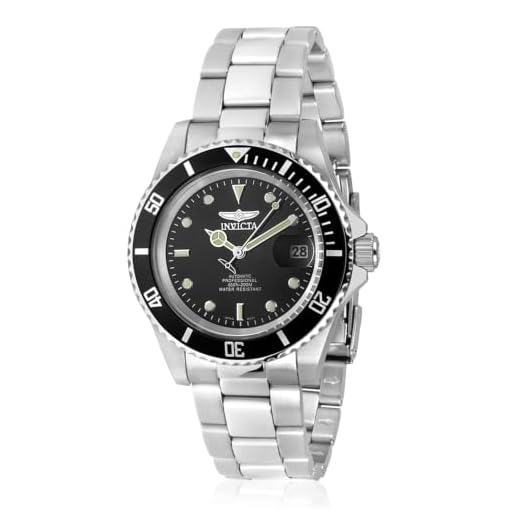
Automatic timepieces utilize a self-winding mechanism that harnesses kinetic energy from the wearer’s movements to wind the mainspring. This reduces the need for manual winding and eliminates reliance on batteries.

Key Components
Critical components include the rotor, gear train, escapement, and balance wheel. The rotor, a semicircular piece, rotates with wrist movements, engaging the winding mechanism. This energy flows through the gear train, regulating motion and transferring energy to the balance wheel, which maintains accuracy.
Energy Transfer Process
| Step | Description |
|---|---|
| 1 | Movement of the rotor initiated by wrist motion. |
| 2 | Energy is stored in the mainspring. |
| 3 | Gear train regulates the release of energy. |
| 4 | Escapement controls the passage of time. |
| 5 | Balance wheel oscillates, ensuring precision. |
Maintenance involves periodic servicing to ensure optimal functioning. A clean and regulated timepiece can last for decades, maintaining accuracy and reliability throughout its lifespan.
The Role of George Graham in Watchmaking Innovations
George Graham significantly advanced timepiece craftsmanship through groundbreaking inventions and precise engineering techniques. His creation of the “dead beat” escapement in the early 18th century nearly revolutionized accuracy, allowing for unprecedented timekeeping precision. This mechanism ensured that the escape wheel moved forward only once per second, fostering remarkable improvements in timekeeping reliability.
Mastery in Chronometry
Graham also played a pivotal role in developing the mean timekeeping standard, contributing to the establishment of accurate maritime navigation. His innovations enabled ships to determine their longitude through precise time measurements, improving safety and navigation at sea dramatically. This contributed to his recognition among contemporaries as a leading figure in horological engineering.
Influence on Future Generations
The techniques Graham pioneered laid the groundwork for subsequent horologists. His focus on improving escapements and mechanisms influenced later inventors, promoting the transition of wrist-worn timepieces from simple hand-wound models to sophisticated, self-regulating systems. His meticulous approach inspired a higher standard for craftsmanship and precision that persisted in modern horology.
How the Self-Winding Mechanism Revolutionized Timekeeping
The introduction of the self-winding mechanism significantly transformed horological practices, eliminating the necessity for daily manual winding. This advancement not only improved convenience for users but also enhanced accuracy.
Key aspects of this innovation include:
- Energy Efficiency: Using wrist movements to wind the mainspring ensured a consistent power supply, reducing the chances of power loss and resulting in higher timekeeping precision.
- Durability: By eliminating the wear and tear associated with manual winding mechanisms, this design increased the lifespan of timepieces. A self-winding apparatus typically demands less frequent servicing.
- Accessibility: With a reliable energy source, these timepieces became more accessible to a wider audience, enhancing their popularity and affirming their status in the luxury market.
- Innovation Trajectory: This mechanism paved the way for later innovations, inspiring further exploration into automatic gear systems, which have since become standard in many high-end horological creations.
Additionally, modern designs continue to refine and adapt this self-winding principle, incorporating advanced materials and engineering techniques that further boost performance and user experience.
In essence, this mechanism not only modernized traditional craftsmanship but also laid the groundwork for future developments in the timekeeping industry.
Exploring the Contributions of Abraham-Louis Breguet
Abraham-Louis Breguet significantly advanced horological design with his innovative concepts and meticulous craftsmanship. His introduction of the tourbillon in 1801 greatly improved accuracy by counteracting gravitational forces affecting the balance wheel. This pivotal invention demonstrated his foresight in addressing precision issues that plagued timekeeping devices.
Innovations in Timepiece Mechanics
Breguet’s contributions extended beyond the tourbillon; his creation of the Breguet hands, characterized by an elegant, open, and distinctive design, has become a hallmark in luxury timepieces. He developed the self-winding mechanism, which incorporated a rotor that harnessed kinetic energy from the wearer’s movements, thereby ensuring uninterrupted operation and convenience. His work laid the foundation for future advancements in automatic mechanisms.
Legacy in Watchmaking
The impact of Breguet’s inventions is palpable in modern horology. His emphasis on craftsmanship and the integration of aesthetic appeal with functionality attracted a clientele that included royal figures and reputable patrons. Many contemporary luxury brands continue to draw inspiration from his designs and principles, cementing his legacy as a pivotal figure in the history of watchmaking.
Key Brands That Popularized Self-Winding Timepieces
Role of leading manufacturers in embracing self-winding mechanisms cannot be overstated. Noteworthy brands significantly influenced the popularity and accessibility of these intricate instruments.
Role of Seiko
This Japanese brand revolutionized the automatic mechanism in the 1960s with the introduction of the Seiko 5. This model offered durability, reliability, and affordability, making self-winding timepieces accessible to a broader audience.
Impact of Rolex
Renowned for its precision, Rolex embraced the self-winding movement early on. Innovations such as the Oyster Perpetual line highlighted reliability and luxury, setting standards for craftsmanship and performance that influenced countless manufacturers.
Other prominent names like Omega and Tissot further enhanced the appeal of self-winding designs through innovative features and marketing strategies, increasing the overall desirability of these remarkable horological creations.
Impact of Historical Context on the Development of Self-Winding Timepieces
The evolution of self-winding timepieces closely ties to significant historical events and advancements in technology. Innovations in manufacturing during the Industrial Revolution allowed for precision engineering, creating the groundwork for intricate mechanisms found in modern timepieces. The rising demand for portable timekeeping devices spurred unparalleled creativity among horologists, resulting in the creation of timepieces that did not require manual winding.
Technological Advancements and Their Influence
During the 19th century, breakthroughs in metallurgy and materials science enabled the crafting of smaller, more durable components. This facilitated the miniaturization of complex mechanisms, making them suitable for a wearable format. The need for accuracy in navigation and daily life encouraged inventors and watchmakers to experiment with automatic systems, which in turn laid the foundation for self-winding designs that resolved the limitations of earlier models.
Cultural Shifts and Demand for Convenience
Cultural movements, such as the rise of leisure activities and the professional class in the early 20th century, increased consumer interest in timekeeping devices. The desire for convenience led to greater acceptance of these innovative timepieces in everyday life. This shift in perception propelled brands to highlight their technological advancements in marketing, thereby enhancing the appeal and accessibility of self-winding designs, which became synonymous with luxury and functionality.
FAQ:
Who is credited with creating the first automatic wristwatch?
The first automatic wristwatch is largely credited to Swiss watchmaker John Harwood. He patented a self-winding mechanism in 1923, which allowed the watch to wind itself through the movement of the wearer’s wrist. This innovation marked a significant advancement in watchmaking technology.
What was the significance of the first automatic wristwatch in watchmaking history?
The introduction of the automatic wristwatch revolutionized the industry by providing a more convenient way to power watches without the need for manual winding. This innovation enhanced the popularity of wristwatches, making them more accessible and user-friendly. As a result, many manufacturers began to incorporate self-winding mechanisms into their designs, leading to increased competition and innovation in the field.
How did John Harwood’s design work?
John Harwood’s design utilized a rotor that moved with the motion of the wearer’s wrist. This rotor was connected to the mainspring of the watch. As the rotor spun, it wound the mainspring, which stored energy to power the watch. This mechanism eliminated the need for daily winding, thus making timekeeping more convenient for users.
What impact did automatic wristwatches have on consumers?
Automatic wristwatches significantly impacted consumers by offering a practical and hassle-free solution for wearing timepieces. Before their invention, manual winding was necessary, which could be cumbersome. With the automatic mechanism, wearers no longer needed to worry about winding their watches daily. This convenience contributed to the popularity of wristwatches over pocket watches and led to a broader acceptance of wristwatches as essential everyday accessories.



