
 Ethan Cole

Discover the intriguing story behind the earliest timepiece worn on a person’s wrist, credited to a unique creation by Patek Philippe in 1868. This remarkable accessory was commissioned by Countess Koscowicz of Hungary, who sought a fashionable means to keep time at her leisure without the bulk of pocket timepieces.
Utilizing a compact and innovative design, this piece seamlessly married functionality with elegance. Unlike traditional pocket clocks, this new design allowed for mobility and ease, making timekeeping accessible in an unprecedented way. The ingenuity of this design not only inspired further developments in horology but also influenced everyday fashion and practicality.
As styles evolved, this invention laid the groundwork for modern wearable devices. Understanding this history enriches appreciation for contemporary designs and emphasizes the evolution of personal accessories over the years.
Origin of the Wrist Timepiece
In 1868, the Swiss manufacturer Longines crafted a timekeeping instrument for Countess Koscowicz of Hungary. A significant milestone, this piece is recognized for its modern design and practicality, integrating beautifully into her attire.
Notably, this creation laid the groundwork for future designs, proving that compact, wearable clocks could serve a fashionable and functional purpose. This innovation marked a shift from pocket models, allowing hands-free timekeeping.
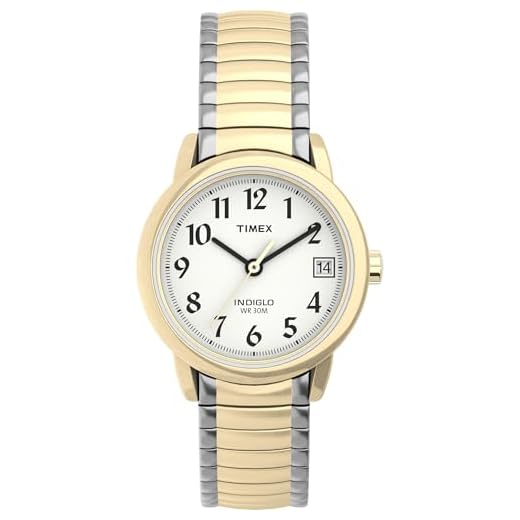

As the years progressed, the wrist-mounted mechanism gained popularity among military personnel and aviators due to its convenience during tasks. This evolution transformed the perception of such devices from mere accessories to practical tools, paving the way for the diverse collection we see today.
The Historical Context of the First Timepiece on the Wrist
In the late 19th century, innovation in timekeeping technology enabled the construction of smaller mechanisms suitable for personal wear. Events such as the Franco-Prussian War of 1870-71 highlighted the need for portable timepieces among military personnel, leading to the adoption of these items for practical reasons.
Technological Advances
The transition from pocket devices to wearable gadgets became feasible due to advancements in miniaturization. Clockmakers experimented with compact designs, enabling the creation of timepieces that could be comfortably strapped to the wrist.
Cultural Shifts
By the dawn of the 20th century, perceptions of accessories began transforming. The notion of wearing a timekeeper became fashionable among both genders, reflecting broader societal changes, such as increased independence and the desire for practicality in personal items.
Identifying the First Known Wearer
Research indicates that the initial individual to don a timepiece on the wrist was Countess Koscowicz of Hungary in 1868. This device, designed by Patek Philippe, combined elegance with practicality, marking a pivotal moment in horological history.
Significance of the Countess
The choice to adopt such a gadget was groundbreaking for its time, showcasing innovation in portable timekeeping. Prior to this, timepieces were primarily pocket-based. This transition to a wrist-mounted format laid groundwork for subsequent developments in personal timekeeping.
Design Characteristics
The original apparatus was decorative yet functional. Crafted with a delicate, ornamental style, it catered to fashion while providing utility. Its design paved the way for modern styles, proving that aesthetic appeal and practicality could coexist in watchmaking.
Craftsmanship Behind Early Timepieces
Early creations in horology combined artistry and precision, establishing a strong foundation for modern designs. Each piece showcased remarkable skill, often handcrafted with meticulous detail. The use of superior materials, such as gold cases and intricate mechanisms, reflected both aesthetic appeal and robust functionality.
| Material | Usage | Characteristics |
|---|---|---|
| Gold | Cases and links | Durable and luxurious finish |
| Silver | Backs, dials, and parts | Classic look, easier to engrave |
| Brass | Movements and gears | Excellent for winding mechanisms |
Attention to detail was paramount. Craftsmen often spent hours hand-assembling small components, such as gears and springs, ensuring optimal performance. Decorative elements, like engravings and enamel work, added uniqueness to each piece.
The development of small, reliable movements enabled these accessories to be worn comfortably. Innovations in technology allowed for improved accuracy, gradually leading to widespread acceptance among both men and women, influencing fashion and practicality significantly.
Iconic manufacturers began to emerge, recognized for their extraordinary craftsmanship. Their legacy continues to inspire current artisans and enthusiasts, preserving the art of fine horology.
Impact of Timepieces on Fashion in the 19th Century
Timepieces became a significant accessory influencing style and personal expression during the 19th century. This era marked the transition from pocket devices to fashionable arm ornaments, demonstrating a blend of utility and aesthetics in personal adornment.
Key factors contributing to their integration into fashion include:
- Social Status: Wearing a finely crafted timepiece signified wealth and sophistication. Wealthy individuals adorned themselves with elaborate designs, often set with precious gems, emphasizing luxury.
- Gender Distinctions: In this period, men frequently carried pocket variants while women began embracing elegant versions strapped to their arms. This shift showcased changing gender roles and the evolving perception of mobility and freedom for women.
- Innovation in Design: As timepiece technology advanced, manufacturers introduced smaller, more delicate models. Fashionable embellishments included intricate engravings and artistic motifs, transforming mere utility into art.
Fashion houses began to incorporate these devices into their collections, encouraging accessories that matched attire in color and style. Timepieces became not only practical items but also significant components of personal style, reflecting the wearer’s personality. By the end of the century, their widespread acceptance had firmly established the wrist variant as a fashionable staple.
Overall, the influence of these elegant instruments shaped personal attire, creating a lasting impact in the realm of fashion that continues to echo into contemporary trends.
Legacy of the First Wrist Timepiece in Modern Horology
Examine the profound influence of early timepieces designed for wear on the wrist, as their ingenuity paved the way for contemporary design and functionality. These original instruments set the foundation for intricate craftsmanship that characterizes today’s luxury timepieces. By integrating artistry and precise engineering, they established benchmarks for aesthetics and performance still aspired to by modern artisans.
Design Innovations and Functionality
Functionality flourished with the advent of these early models, introducing a more practical alternative to pocket timepieces. The necessity for durability and water resistance inspired innovations such as shockproof mechanisms and advanced materials, ensuring reliability for wearers. Present-day horology owes much to these developments, as many contemporary pieces now incorporate similar features while further enhancing technical precision.
Societal Influence and Personal Expression
The cultural significance of wrists as a platform for personal expression began with these pioneering models. As timepieces transitioned from utilitarian tools to symbols of status and style, they influenced fashion trends and individual identity. Today’s variations reflect this legacy, with an emphasis on personal customization and branding, offering unique designs that cater to diverse tastes and lifestyles.
FAQ:
Who is credited with inventing the first wristwatch?
The first wristwatch is widely attributed to Patek Philippe, a Swiss watchmaker, who created it for Countess Koscowicz in 1868. Although wristwatches had existed before, often used as decorative pieces, this particular timepiece is recognized as the first modern wristwatch designed specifically for women, combining elegance with functionality.
How did wristwatches become popular among men, given that they were initially considered a women’s accessory?
Wristwatches gained popularity among men primarily during World War I. Soldiers found pocket watches cumbersome in combat, leading to the practical use of wristwatches for easier access to timekeeping. After the war, returning soldiers continued wearing wristwatches, and this shift in perception helped cement the wristwatch as a fashionable and essential accessory for men.



