
 Ethan Cole

Investing in timepieces is a pursuit that promises not only aesthetic pleasure but also substantial financial appreciation. Historical data indicates that select models from prestigious brands have soared in value, sometimes outpacing traditional investments like stocks and real estate. For example, certain vintage pieces from Rolex and Patek Philippe have experienced appreciation rates exceeding 100% over the last decade.
Fostering a passion for horology opens doors to a vibrant community of enthusiasts and collectors. Engaging with fellow aficionados at events, forums, and exhibitions can provide insights and valuable connections. This network can enhance your understanding of timekeeping craftsmanship and market trends, enriching the collecting experience.
Furthermore, owning a diverse array of pieces allows for personalized expression of style and taste. Different designs can complement various occasions, showcasing individuality while also serving practical purposes. Carefully selected varieties can embody both luxury and functionality, making them suitable for both daily wear and formal settings.

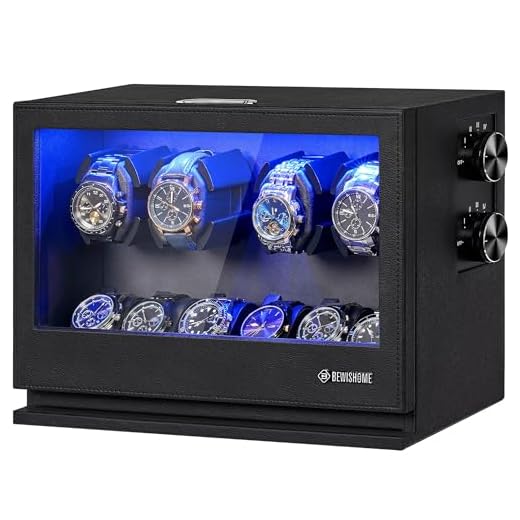
Ultimately, the act of curating a collection serves as a fulfilling endeavor. Each acquisition can tell a story, representing a moment in history or a personal milestone. Engaging with this timeless craft not only preserves art but also offers a tangible connection to the passage of time.
Reasons to Pursue Timepiece Acquisition
Embarking on the pursuit of timepieces can be driven by various factors that appeal to enthusiasts and investors alike. Below are specific motivations that highlight the significance of engaging in this rewarding hobby.
Aesthetic Appreciation
Timepieces often serve as intricate works of art. Many individuals seek these collectibles for:
- Unique designs that showcase craftsmanship.
- Historical significance reflecting the era of their creation.
- Limited editions that enhance uniqueness and exclusivity.
Investment Potential
Investing in timepieces can yield substantial financial benefits. Key aspects include:
- Value appreciation over time, especially for rare models.
- Diversification of investment portfolios through tangible assets.
- Strong resale market driven by demand for sought-after pieces.
Understanding these aspects can enrich the experience and provide motivation for acquiring timepieces that align with individual interests and goals.
Understanding the Value of Horology
Trust peer-reviewed sources and industry publications for accurate assessments of watch value. Reputable auction houses provide historical data on pricing trends and market demand, which can inform purchasing decisions.
Focusing on limited editions and timepieces with unique features often yields higher returns. Research heritage brands known for craftsmanship, as their items tend to appreciate over time.
Consider the significance of provenance; watches with a storied history or previous ownership by notable figures can command premiums. Authenticity is paramount; always verify documentation and purchase from credible sellers to avoid counterfeits.
Keeping abreast of collector communities online fosters knowledge exchange and market insights. Join forums or attend expos to connect with like-minded enthusiasts and gain exposure to emerging trends.
Understand the mechanics and movements; complications such as perpetual calendars or minute repeaters not only enhance functionality but also elevate a piece’s desirability. The quality of materials used, such as precious metals and sapphire crystals, directly impacts value.
Regular maintenance is crucial for preservation. Ensure reliable servicing, as the condition of a piece significantly influences its market position. Document any restorations with records to uphold transparency for future transactions.
Building a Personalized Collection Strategy
Define your focus. Identify whether you prefer vintage pieces, limited editions, or contemporary designs. Specializing allows for a more structured approach.
Research and Knowledge Acquisition
Gather information on brands, models, and mechanisms. Utilize the following resources:
- Books and publications dedicated to timepieces.
- Websites and forums with user-generated content and analysis.
- Social media platforms where collectors share insights.
Budget Planning
Establish a clear financial framework. Determine your spending capacity while considering:
- Purchase price.
- Maintenance costs, including servicing and repairs.
- Insurance fees for valuable assets.
Consider starting with less expensive, intriguing models to gain experience before investing in high-value items.
Acquisition Tactics
Engage in both online and offline markets. Explore:
- Auctions, which can offer rare finds.
- Collectors’ fairs and exhibitions for direct interaction.
- Retailers specializing in unique pieces.
Networking with fellow enthusiasts can unveil private sales and exclusive opportunities.
Documentation and Record Keeping
Maintain accurate records for every piece in your inventory. Include:
- Purchase date and price.
- Provenance and historical context.
- Condition reports and service history.
Regular updates help track value appreciation and inform future investment decisions.
Establishing a Display Strategy
Appropriately showcase your acquisitions. Methods include:
- Display cases with climate control to prevent damage.
- Creating a dedicated space that enhances visual appeal.
Regularly rotate displayed items to maintain interest and showcase your evolving tastes.
Identifying Trends and Rare Finds in the Market
Monitor auction results regularly to spot emerging trends and assess demand for specific timepieces. Explore platforms like Chrono24 and WatchBox for pricing data and market analysis. Engaging with online communities, such as dedicated forums and social media groups, can provide insights into what collectors are seeking and which brands are gaining traction.
Research and Networking
Attend watch fairs and exhibitions, such as Baselworld or Watches & Wonders, to connect with industry insiders and gain firsthand knowledge of new releases and innovations. Building relationships with trusted dealers can also lead to exclusive opportunities or early access to limited editions. Keep a keen eye on industry publications and blogs to stay informed about market movements and noteworthy releases.
Evaluating Scarcity and Demand
Scarcity often dictates value. Limited editions or discontinued models inherently attract attention. Use tools like the brand’s official website and auction record databases to verify production numbers and evaluate rarity. Combine this data with current market trends to identify pieces that may appreciate over time. Investing in brands with a strong heritage and fanbase can bolster long-term value.
Caring for Your Collection: Maintenance Tips
Regular servicing should be done every three to five years. Professional watchmakers can clean and lubricate movements, ensuring longevity. Skipping this maintenance can lead to costly repairs.
Storage Guidelines
Utilize a watch box or case with proper cushioning. Avoid exposure to direct sunlight, humidity, and extreme temperatures to prevent damage to materials such as leather or metal. A controlled environment will preserve aesthetics and functionality.
Cleaning Techniques
For plastic crystals, use a soft microfiber cloth to avoid scratches. Metal bands can be cleaned with warm, soapy water. Avoid harsh chemicals that can tarnish or discolor surfaces. Rinse thoroughly and dry with a soft cloth.
| Maintenance Task | Frequency |
|---|---|
| Professional servicing | Every 3-5 years |
| Basic cleaning | Monthly |
| Check water resistance | Yearly |
| Battery replacement | As needed (typically every 1-3 years) |
Monitoring accuracy is also recommended. Use a timekeeping app to track any deviations, ensuring precision remains intact. Address any issues promptly to maintain performance.
Connecting with Other Watch Enthusiasts
Engaging with like-minded individuals can greatly enhance your appreciation and knowledge of timepieces. Joining online forums or social media groups focused on horology allows for sharing insights, experiences, and tips with fellow aficionados.
Local Meetups and Events
Participating in watch fairs, exhibitions, or local clubs offers invaluable opportunities to interact face-to-face with passionate collectors. These gatherings often feature expert talks, showcasing rare models, and opportunities to purchase unique pieces.
Utilizing Social Media
Platforms such as Instagram and Facebook host numerous communities where enthusiasts share photos, reviews, and stories. Follow influential collectors and brands to immerse yourself in the culture of watch appreciation, as well as to discover trends and emerging talents in the industry.
Networking at these events not only builds relationships but can also lead to exclusive access to limited editions and custom pieces. Building rapport with seasoned collectors can provide mentorship opportunities, guiding your approach to amassing and maintaining a remarkable assortment.
FAQ:
What benefits come from collecting wrist watches?
Collecting wrist watches offers several advantages. Firstly, it’s a great way to appreciate craftsmanship and design. Many watches feature intricate mechanics and artistic elements that can be fascinating to Study. Additionally, collecting can be a rewarding experience financially. Certain models appreciate over time, making them a potential investment. Lastly, it’s a way to connect with fellow enthusiasts and partake in a community that shares similar interests.
How do I start a wrist watch collection as a beginner?
Starting a wrist watch collection can be exciting and accessible. Begin by determining your budget and personal style preferences. Research different brands and types of watches to understand what resonates with you. It’s helpful to attend watch shows or local meetups to gain insights and advice from other collectors. Look for reputable retailers and consider buying pre-owned watches to find unique pieces. Don’t rush—building a collection is a gradual process, and it’s important to choose watches that you genuinely appreciate.


