
 Ethan Cole

Positioning a timepiece on the left side has practical roots. For most individuals, the dominant hand is the right, leading to a choice that minimizes potential damage. The risk of scratching or impacting the device is considerably lower when placed on the less active side.
Cultural influences also play a role. Historically, left-side adornments have been common in various societies, aligning with the preference for aesthetics and comfort. Additionally, many people find it more convenient to adjust the strap or clasp with their dominant hand while having the device on the opposite side.
When considering functionality, accessibility comes into play. With the majority favoring right-handed movement, the positioning allows for a quick glance at the dial without interrupting tasks. This simple action streamlines time management, enhancing the daily experience.

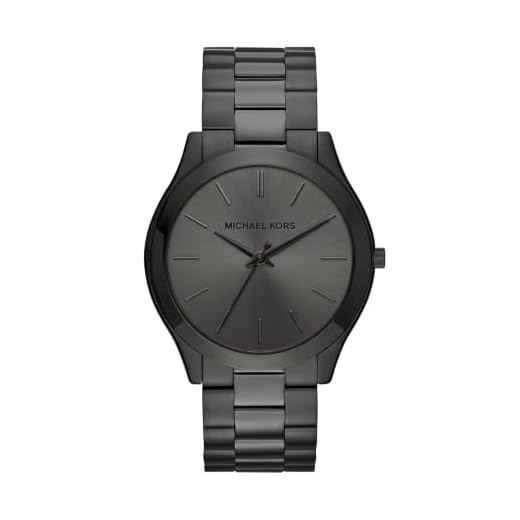
The History Behind Left-Wrist Watch Wearing
Historically, a preference for positioning timepieces on the left arm emerged from practical considerations. Early designs, primarily by men, were large and bulky, making the right side inconvenient for access, especially for those who are right-handed. This layout minimized interference with tasks commonly performed with the dominant hand.
Military Influence
During World War I, soldiers utilized these timekeeping devices in combat situations. Positioning on the left arm allowed for quicker glances without compromising their ability to wield weapons. The trend gained momentum as returning veterans popularized this style, leading to acceptance in civilian life.
Fashion and Cultural Shifts
As timekeeping gadgets marched into the mainstream, societal norms began shaping preferences. Exclusive designs and marketing aligned this arm with elegance, reinforcing its stylish connotation. Over decades, it became associated with sophistication and status, thus solidifying the trend into modern culture.
Left-Handed vs Right-Handed Considerations
For individuals who favor their right hand for tasks, positioning timepieces on the left is efficient. It minimizes interference with daily activities, allowing for smooth movements without obstruction. Conversely, those who are left-handed often find the opposite to be true.
Left-handed users may opt to don their timepieces on the right side to maintain comfort and ease of use when engaging in activities that require their dominant hand. Strategies for each group include:
- Right-Handed Individuals:
- Choosing wristbands that allow for easy adjustment to ensure a snug fit.
- Considering styles that do not compromise the ability to perform tasks with the dominant hand.
- Left-Handed Individuals:
- Exploring designs with a reverse dial or customizable settings for user preference.
- Looking for timepieces that provide a clear view of the display when worn on the right side.
Understanding the implications of handedness can enhance practicality and satisfaction with personal accessories. Tailoring selection based on dexterity not only facilitates ease of use but also complements individual lifestyles and preferences.
Comfort and Accessibility of Left-Wrist Placement
Opting for placement on the left arm enhances comfort during daily activities. Most individuals are right-handed, leading to a natural tendency to favour the dominant side for tasks, leaving the alternative side more suitable for accessory usage. This arrangement mitigates any potential discomfort caused by friction or interference while engaging in common activities such as writing or sports.
Ease of Interaction
Having a timepiece positioned on the left allows for seamless checking, especially with a wrist tilt that feels more intuitive. It promotes a quicker glance at the time without significant arm movement, which is especially beneficial during meetings or while engaging in conversations. This accessibility fosters efficient time management throughout various tasks.
Style and Functionality
Often, the aesthetic aspect aligns with functionality. A watch situated on the left side can complement a variety of styles, from casual to formal. Furthermore, many designs prioritise ease of adjustment on this side, making it easier to alter fit or style without needing to remove the piece completely. This convenience adds to the practicality for daily wear.
Fashion Trends Influencing Watch Placement
Contemporary styles significantly dictate the positioning of timepieces. Many fashion experts recommend donning these accessories on the non-dominant extremity to enhance aesthetics and functionality. This practice allows for greater visibility and reduces wear and tear on more frequently used limbs.
In various circles, the approach to accessorizing has shifted toward a more personalized expression. Layering watches with bracelets has become popular, often leading to strategic placement on the left. This creates a balanced yet bold appearance.
Material and Design Influences
The choice of materials also plays a significant role in determining placement. Chunky designs in metals or leathers naturally draw attention, prompting individuals to position them where they can be easily showcased. Meanwhile, minimalist or tech-oriented variations are often seen on the left, favoring a sleek and unobtrusive look.
Cultural and Social Factors
Social media and influencer culture have further propelled this trend, with many style icons showcasing their timekeepers prominently on the left side. This exposure influences public perception and encourages mainstream adoption of similar habits.
| Trends | Influence |
|---|---|
| Layered Accessories | Encourages left placement for balance |
| Chunky Designs | Encourages visibility and prominence |
| Minimalist Styles | Promotes unobtrusive left-side placement |
| Influencer Culture | Shifts public norms towards left positioning |
The Impact of Technology on Watch Wearing Habits
Shifting to smart alternatives has altered how individuals adorn their timepieces. Traditional mechanisms, while elegant, face stiff competition from multifunctional smart devices. These modern gadgets provide notifications, fitness tracking, and even contactless payments, pushing classic models into a secondary role for many users.
Data from recent surveys indicates that almost 50% of young adults prefer smartwatches over analog styles. This trend illustrates a significant cultural shift, with younger generations prioritizing functionality over traditional aesthetics. Timekeepers have transformed from mere time-telling devices into essential daily companions.
Material advancements also play a role. Innovations in materials such as silicone, stainless steel, and advanced ceramics have allowed manufacturers to create lightweight, durable options that enhance comfort. Consequently, many opt for a hybrid approach, alternating between traditional and contemporary designs depending on the occasion.
Integration with mobile applications enhances personalization, allowing users to customize displays and features that resonate with their lifestyle. Enhanced connectivity encourages flexibility in accessorization, allowing for quick changes to suit various settings.
This technology-driven evolution raises questions about the future of traditional timepieces as lifestyle accessories. As digital platforms continue to dominate, understanding these habits becomes vital for brands aiming to retain relevance in a tech-centric market.


