
 Ethan Cole

Opting for a timepiece on the non-dominant side often arises from practicality and ease of use. The majority of individuals exhibit right-handedness, making the left arm the logical choice for wearing accessories. This positioning reduces the likelihood of damaging the timepiece during daily activities, such as typing or writing.
Another factor influencing this choice includes comfort and visibility. Placing the instrument on the non-dominant limb allows for easier glancing without disrupting tasks, especially when engaged in conversations or meetings. The design of many accessories also caters to this orientation, ensuring that dials and features are accessible while maintaining a degree of elegance.

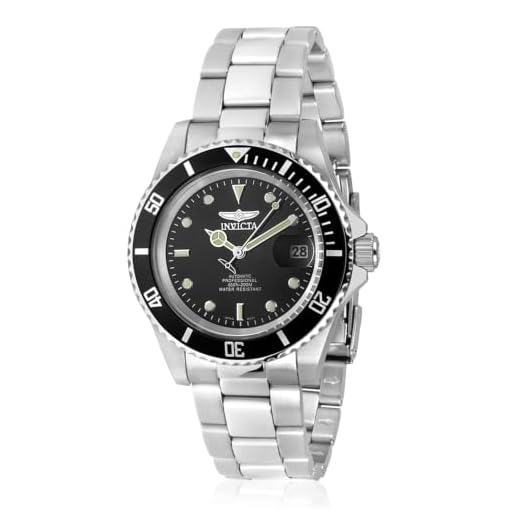
Historical and cultural influences contribute to this trend as well. Historically, craftsmanship has often favored left-side positioning, making it a standard practice across various societies. This convention has created a social norm, further reinforcing the habit and establishing it as an expected manner of displaying timekeeping devices.
Historical Reasons for Left-Hand Watch Wearing
The placement of timepieces on the left side originates from practical considerations during early usage. Most individuals are right-handed, making the left wrist the more convenient location for manipulation. This setup allowed for easier adjustment and access to the timepiece without interfering with daily activities.
In military settings, soldiers traditionally wore their timekeepers on the left wrist to keep their dominant hand free for actions such as drawing weapons or writing. This practice contributed to the widespread adoption of left-side placement as a standard among various professions.
Timepieces were initially larger and bulkier, causing them to be more prone to damage. Positioning them on the left side reduced the risk of impact during routines involving the dominant right hand. As styles evolved, smaller, more refined designs emerged, yet the left-side convention persisted.
The societal norm reinforced this habit, with manufacturers and designers catering to the majority, further entrenching the idea of left-wrist positioning. This has influenced fashion trends, making left-side wearers more prevalent, and perpetuating the tradition over generations.
In the early 20th century, the introduction of the wristwatch in military contexts and subsequent civilian use solidified this preference. The left side not only offered functional advantages but also became associated with status and style, shaping perceptions of elegance around the left wrist positioning.
Dominant hand and timepiece accessibility
Positioning a timepiece on the opposite side of the dominant appendage enhances functionality for most individuals. The majority of people are right-handed, making the left wrist an ideal spot for accessibility. This arrangement allows seamless interaction with the mechanism, such as adjusting the time or checking the display without hindrance.
For left-handed individuals, placing the instrument on the right wrist can facilitate similar convenience. The act of engaging with buttons or dials becomes more fluid, reducing unnecessary wrist movement. Adopting this practice can enhance usability and prevent accidental activations.
Consider the daily activities that involve the dominant side of the body. Engaging in tasks like writing or using tools often leads to a natural obstruction when trying to check a timepiece. A strategic placement on the non-dominant side alleviates this issue, making it easier to keep track of time while remaining engaged in other activities.
In summary, the choice of wrist placement directly correlates with ease of access and practicality, catering to individual preferences based on handedness. Whether right or left-dominant, understanding the mechanics of movement can significantly enhance the overall experience with personal timekeeping devices.
Watch Mechanism and Design Considerations
Opt for automatic or quartz mechanisms based on lifestyle and preference. Automatic movements, powered by wrist motion, offer convenience for those who regularly engage in activities, while quartz movements provide high precision and require less maintenance.
Material Choices
Stainless steel and titanium are prominent materials for durability and weight optimization. For those seeking luxury, gold and ceramic deliver elegance, with sapphire crystal providing scratch resistance for optimal visibility.
Case Size and Comfort
Evaluate case size according to wrist circumference. A balanced proportion enhances comfort and aesthetics. Additionally, ensure the strap material, whether leather, metal, or silicone, complements usage scenarios–leather suits formal attire, while silicone serves active lifestyles.
Prioritize water resistance ratings that suit intended activities to safeguard against moisture. The design should align with personal style while considering functionality, ensuring easy visibility of dials and ease of operation.
The Role of Fashion in Timepiece Placement
Choosing the side for a timepiece often transcends mere practicality, extending into the realm of style and self-expression. Accessories influence visual balance and complete an outfit, making placement choices pertinent to the overall aesthetic.
Cultural Influences on Style Choices
Across various cultures, the choice of side may reflect societal norms and fashion trends. For instance, in some fashion circles, certain styles may dictate wearing accessories on specific sides to align with current trends, reinforcing a stylistic statement.
Fashion Industry Trends
Brands leverage the visual appeal of their creations, urging consumers to adopt styles that emphasize their identity. The alignment of accessories with clothing design enhances the overall look. Fashion weeks and influencer choices contribute significantly to popularizing specific placements, often leading to an enduring trend in accessory positioning.
| Trend | Description |
|---|---|
| Minimalism | Focus on sleek, understated designs, often favoring classic placements. |
| Layering | Wearing multiple accessories, sometimes on the same side, creates a more personalized look. |
| Statement Pieces | Bold designs may shift placement preference as they are showcased prominently. |
In conclusion, fashion significantly drives the selection and positioning of accessories, with cultural context and industry movements shaping preferences. Adaptability to current trends is key for those wishing to incorporate contemporary flair into their appearance.
Cultural practices influencing wrist watch orientation
Regional customs and societal norms significantly shape the positioning of timepieces. In various cultures, superstitions dictate the preferred side for personal accessories. For example, in some Asian cultures, placing items on the left side is believed to attract positive energy, reinforcing this practice.
Meanwhile, in Western cultures, the left side has been associated with notions of comfort and ease. This has led to a widespread inclination towards adorning the left wrist. Additionally, familial traditions can influence choices, as children often mimic elders who have established their own habits.
Furthermore, specific ceremonies and celebrations may dictate how and where timepieces are donned. For instance, during formal events, individuals may opt for left-sided adornment to align with the expectations of their peers.
Thus, the cultural landscape surrounding timekeeping devices is multifaceted, influenced by generations of practice, beliefs, and societal expectations, making it a rich area for exploration.
Left-hand watch wearing in contemporary society
In contemporary society, the inclination to position timepieces on the left side is influenced by practicality and social norms.
As the majority of individuals are right-handed, placing accessories on the left facilitates ease of access. This method allows for quick adjustments without hindrance from other objects.
Fashion trends have cultivated this practice, with many brands designing their products with a left-side orientation in mind. This alignment with mainstream styles promotes uniformity among users, reinforcing societal acceptance.
Additionally, technological advancements have made thinner and more comfortable designs possible, enhancing the experience of placement on the left. This evolution satisfies consumer expectations for both style and comfort.
Cultural influences also play a pivotal role in the adherence to this practice. In many regions, there are collective behavioral habits that dictate the positioning of personal accessories, thereby influencing distribution patterns in retail and marketing strategies.
In conclusion, while functional considerations dominate placement decisions, social acceptance and cultural practices further solidify the preference for left-side positioning among users worldwide.


