
 Ethan Cole

For optimal functionality and comfort, placing a timepiece on the left side proves advantageous for most individuals. This positioning aligns with the natural dexterity of the right hand, allowing seamless adjustments and visibility, especially during activities that require movement.
Statistically, around 90% of the population is right-handed, making the left wrist a more practical choice for wearing accessories. Placing the device on the non-dominant side minimizes the risk of damage or accidental adjustments when engaging in daily tasks. This strategic positioning enhances user experience without compromising style.
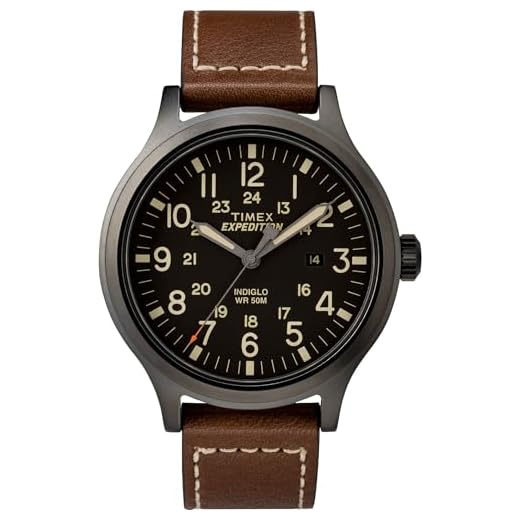

Additionally, many models are designed to conform easily to the curvature of the left wrist, ensuring a comfortable fit. The biological structure of the arm typically favors this alignment, reducing strain and enhancing overall usability. Choosing this side for your timepiece promotes not only functionality but also longevity in usage.
Benefits of Positioning Timepiece on the Left Side
Aligning the timepiece on the left side enhances comfort, enabling smooth access for right-handed individuals. The left arm typically experiences less activity, reducing the chance of damage and wear. This placement minimizes accidental dials or scratches during everyday tasks, ensuring longevity.
Practicality and Accessibility
Having the accessory on the left facilitates quick glances without disrupting tasks. For right-handed users, utilizing the dominant hand for various tasks becomes seamless, allowing for easy adjustments. When receiving or making calls, the position supports natural arm movements, keeping the accessory discreetly visible.
Symbolism and Tradition
In watchmaking culture, placing the instrument on the left aligns with historical practices and standards. Many luxury brands advocate for this orientation, associating it with style and sophistication. This choice reflects a blend of classic tradition and modern sensibilities, appealing to both style and function.
Understanding Wrist Orientation and Comfort
For optimal comfort, position timepieces on the non-dominant side for most individuals. This choice minimizes interference during daily tasks, allowing for easier movements without obstruction.
Wearing accessories can also affect wrist positioning. The dominant side tends to engage more and can lead to discomfort or misalignment if encumbered by heavier items.
Take into account the bandwidth and design of the timepiece. A narrower strap often provides better flexibility, promoting a natural range of motion, whereas wider options might restrict wrist mobility and lead to strain.
Consider personal anatomical differences. Variations in wrist size, bone structure, and personal sensation play vital roles in how straps are perceived. Testing options before commitment can lead to an ideal fit.
| Factor | Impact |
|---|---|
| Dominant Hand | Less interference, increased convenience |
| Strap Width | Range of motion and comfort |
| Wrist Size | Personal fit and pressure distribution |
Ultimately, choosing the optimal orientation enhances not only functionality but also aesthetic enjoyment. Comfort directly influences both mood and focus, making wrist placement a fundamental aspect of accessory selection.
Historical Reasons for Left Wrist Use
In many cultures, the practice of placing timepieces on the left limb stems from historical functionality and convenience. For instance, early timekeeping devices were typically wound or set using the right hand, necessitating placement on the opposite side to allow ease of access and operation.
Moreover, when writing became prevalent, significant emphasis was put on the protection of timepieces from potential damage caused by hand movements. A watch positioned on the left side is less prone to accidental impact during daily tasks, particularly for right-handed individuals.
Cultural Practices
Historically, left-sided placement gained popularity among various peoples due to superstitions and beliefs. Many societies considered the left side as favorable or lucky, further encouraging the norm of adorning the left limb with accessories, including clocks. In some instances, this practice was integral to social status, with individuals prominently displaying their timepieces on the preferred side.
Military Influence
Additionally, military traditions have played a key role in this trend. Soldiers, primarily right-handed, adapted timepiece placement to allow for immediate reading without obstructing weapon use. This enhanced practicality has influenced general civilian habits, particularly as wristwatches transitioned from military equipment to everyday items.
Convenience of Accessing the Watch
Positioning this accessory on the non-dominant side enhances ease of use. For most, the right hand is the primary one for tasks, leaving the left arm free for quick glances at the time. This arrangement minimizes disruption during activities that require using both hands.
Experts recommend limiting unnecessary movements. By keeping the timepiece on the left, individuals can utilize their right hand seamlessly for interactions without the obstructive motions associated with reaching across the body.
Practical Usage in Daily Activities
During conversations or meetings, a quick look at the time can be discreetly accomplished with minimal attention drawn. This subtlety pertains to both professional and social contexts. When operating machinery or engaging in sports, ensuring that the time indicator remains accessible without compromising safety is paramount.
Compatibility with Accessories
Combining this item with accessories often proves easier on the non-dominant side. For example, pairing with bracelets or fitness trackers allows for a cohesive look while minimizing interference during everyday routines. The added benefit includes reduced wear on the timepiece itself, especially for more delicate designs.
Compatibility with Right-Handed Tasks
Positioning a timepiece on the left arm offers practical benefits for individuals predominately engaging in tasks with their right hand. This setup minimizes interference with daily activities, allowing for smooth execution of manual tasks.
When using tools, writing, or engaging in any detailed work, having the timepiece on the left arm keeps it secure and less likely to be impacted by movements. This positioning protects the device from scratches and potential damage, which can occur when the wrist is the primary focus of activity.
Ergonomic Considerations
Anatomically, most people demonstrate a greater range of motion in their dominant hand. Having the accessory on the left wrist allows for natural wrist rotation without the added bulk or constraint that can arise when wearing it on the opposing side. This practice enhances comfort and adaptability during everyday tasks.
Social Interactions
In conversations and social scenarios, individuals often gesture with their dominant hand. By opting for a left-side placement, glance at the wrist can be discreetly integrated into interactions without drawing excessive attention or causing disruption, thereby fostering a seamless communicative experience.
Fashion Trends Favoring Left Wrist Watches
Current fashion dynamics highlight the significance of placing timepieces on the left side. This orientation is not only a matter of utility but also aligns with contemporary style sensibilities.
- Bold Statements: Designers increasingly favor oversized designs worn on the left, often as a fashion statement, enhancing visibility and aesthetics.
- Layering Accessories: Layering bracelets and bangles alongside timekeeping instruments is trending. The left wrist allows for versatile combinations without cluttering the dominant hand.
- Gender Fluidity: Styles are becoming more unisex, making choice of wrist placement a personal preference that many are expressing on the left side, showcasing individuality.
- Wrist Visibility: Fashion influencers highlight the appeal of wearing timepieces on the left, emphasizing the elegance and ease of access for display during social interactions.
- Sports and Casual Wear: Athletic designs are predominantly styled for left-wrist usage, catering to comfort while engaging in activities, appealing to a lifestyle-oriented audience.
These trends underscore the growing preference for positioning accessories on the left side, merging functionality with aesthetics in today’s fashion landscape.
Impact on Longevity and Maintenance
Proper placement on the non-dominant side significantly contributes to the durability and upkeep of timepieces. Positioning on this side reduces exposure to daily abrasions and impacts associated with right-handed activities. Enhanced protection extends lifespan considerably.
Regular maintenance practices also benefit from this orientation. For instance:
- Ease of winding and setting: Adjustments become more straightforward and less cumbersome, promoting routine care.
- Less wear on clasp: Due to reduced friction and contact with surfaces, the fastening mechanism experiences less strain, ensuring reliable usage over time.
- Improved visibility: Users find it easier to monitor and assess the condition of their piece without excessive movement.
Incorporating a dedicated care regimen enhances resilience. Recommended actions include:
- Routine cleaning with a soft cloth to remove dirt and fingerprints.
- Periodic professional servicing to check for water resistance and mechanical integrity.
- Avoiding exposure to extreme temperatures and magnetic fields.
These practices, combined with the advantages of left-side positioning, foster a longer-lasting relationship with the chosen accessory while minimizing maintenance challenges. Taking care of positioning can lead to fewer repairs and greater enjoyment of the timekeeping device.



