
 Ethan Cole

The first models of personal horology emerged out of a necessity to enhance accessibility to time measurement. This innovation sought to provide a practical solution to the limitations of pocket timepieces, enabling wearers to keep track of time without the hassle of frequent retrieval from a garment. As activities became more structured, especially in professional settings, these compact devices met the growing demand for time awareness.
By the late 19th century, the evolution of mechanical engineering facilitated the transition from bulkier designs to sophisticated styles that could be comfortably worn. This shift played a pivotal role in the popularization of such devices among both genders, particularly as military and adventure pursuits highlighted the advantages of hands-free timekeeping in various environments. The marriage of function and fashion began to shape societal norms surrounding these accessories.
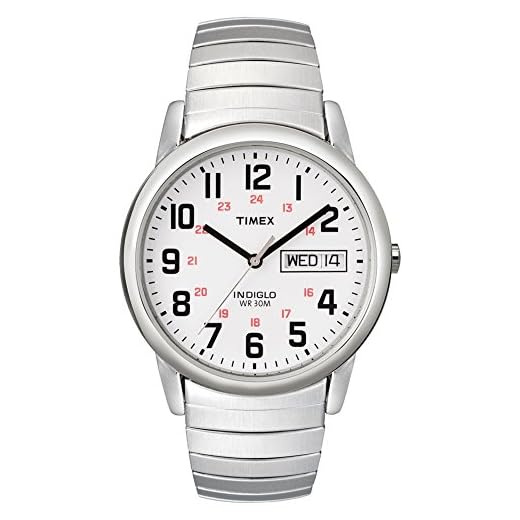

Innovation continued into the 20th century with the introduction of quartz movements, which brought unprecedented accuracy and affordability to the market. The development reflected a broader shift towards convenience and efficiency, satisfying the burgeoning desire for reliable time management in everyday life. As a result, the device not only became a timekeeping tool but morphed into a statement of style, craftsmanship, and personal identity.
Invention of Timepieces for the Wrist
The transition from pocket timepieces to wearable alternatives was driven by a desire for practicality and efficiency. In the late 19th and early 20th centuries, soldiers during wars found these compact timekeepers more convenient for quick glances. The need arose for hands-free access to time while engaged in activities that required both hands, prompting a shift in design.
Designers began to explore new formats, leading to innovations that allowed for more accurate timekeeping and styles reflecting personal fashion. Early models were often crafted from precious metals, showcasing style as well as functionality. Over time, the introduction of various materials and movements offered users a wider selection to match their lifestyles.
Marketing strategies also played a significant role in popularizing these fashion accessories. Brands began promoting them not only for timekeeping but also as status symbols, integrated into daily attire. The emergence of quartz technology in the late 20th century further transformed these accessories, making them more affordable and accessible to the general population.
As a result, these accessories evolved into more than mere tools; they became integral parts of personal expression and everyday life. Now, they serve purposes beyond tracking time, including fitness monitoring and connectivity, reflecting advancements in technology and user preferences.
The Shift from Pocket Timepieces to Arm-mounted Devices
The transition from pocket timepieces to arm-mounted devices marked a significant evolution in horology, driven by practicality and changing lifestyles.
Factors Leading to the Transition
- Military Influence: During the late 19th and early 20th centuries, soldiers found it cumbersome to retrieve pocket timepieces for quick time checks. Arm-mounted devices allowed for immediate visibility, enhancing efficiency in the heat of battle.
- Fashion Trends: As casual dress became more common, accessories that blended function with style gained popularity. Arm-mounted timekeepers started to be seen as fashionable items, appealing to both genders.
- Technological Advancements: Innovations in miniature mechanics allowed for smaller, more reliable mechanisms that fit comfortably on the wrist, making them a viable alternative to their bulkier predecessors.
Social Acceptance and Popularity
The early 20th century saw celebrities and influencers adopting arm-mounted devices, further legitimizing their use in daily life. This shift in perception transformed timekeeping from a utilitarian task into a personal accessory, paving the way for a myriad of styles and designs that catered to evolving tastes.
By World War I, the practicality and accessibility of arm-mounted devices solidified their place in modern society. The transformation from pocket style to wrist format not only redefined how people kept time but also influenced cultural and social norms associated with personal presentation and punctuality.
Influence of Military Needs on Watch Design
The demands of the military significantly shaped timepiece development, focusing on robust functionality and precision. The requirements for synchronization in combat and coordination in operations led manufacturers to innovate new designs specifically tailored for soldier use.
Key Features Driven by Military Use
Essential characteristics became paramount in military timepieces. These included:
| Feature | Description |
|---|---|
| Durability | Resistance to shocks, water, and extreme temperatures ensured reliability in tough environments. |
| Legibility | Large, luminous dials and hands allowed for easy reading in low-light conditions, crucial during nighttime operations. |
| Accuracy | Enhanced movements provided precise timekeeping, essential for coordinating maneuvers. |
| Strap Design | Military models often featured sturdy straps that could withstand rigorous activity and remain secure during movement. |
Examples of Military Influence
Noteworthy models emerged from military requirements. The “Trench Watch,” utilized during World War I, showcased a design that prioritized practicality over aesthetics, featuring a simple, easy-to-read face. Later, brands like Rolex and Omega developed specifically for the armed forces, emphasizing precision and resilience.
This evolution illustrates how combat needs directly influenced design, leading to innovations still appreciated in civilian use today. Military demand created a lasting impact on the functionality and style of contemporary timekeeping devices.
Impact of Fashion Trends on Timepiece Popularity
Fashion has played a significant role in driving the success of timepieces throughout the decades. The integration of these accessories into personal style has transformed them from mere functional objects into pivotal fashion statements. During the 1920s and 1930s, luxurious brands emphasized elegance and sophistication, which elevated the status of timepieces among the elite and fashion-conscious individuals.
Consumer Behavior and Brand Influence
As trends emerged, consumer preferences shifted towards unique designs and styles. Influential figures in the entertainment industry, such as movie stars and musicians, often sported iconic models, creating a ripple effect that heightened demand. Celebrity endorsements and high-profile partnerships have fueled this phenomenon, encouraging consumers to purchase specific models to emulate their idols. Limited editions often generate buzz and allure, significantly enhancing perceived value.
Technological Innovations and Style
Simultaneously, advancements in technology have introduced new materials and functionalities, aligning with contemporary fashion sensibilities. The introduction of smart devices brought about a new wave of popularity, merging style with modern technology. Fashion trends, such as minimalist designs and bold colors, have influenced manufacturers to innovate and adapt their offerings continually.
Track seasonal trends by observing fashion shows and celebrity choices to stay aligned with market preferences. Awareness of color palettes and emerging styles helps in selecting or promoting currently popular timepieces, ensuring relevance within the industry.
Technological Advancements that Shaped Timepieces
The evolution of timekeeping devices was significantly influenced by various technological breakthroughs. The introduction of reliable mechanical movements in the 17th century set the foundation for more portable designs.
Mechanical Innovations
- The development of the balance spring in the 1600s improved precision in mechanics, allowing for smaller components suitable for compact designs.
- The introduction of automatic winding mechanisms in the 18th century paved the way for self-sustaining models, enhancing usability.
- In the 19th century, mass production techniques, exemplified by factories in France and Switzerland, enabled affordable access to finely crafted pieces.
Electronic and Smart Technology
- The quartz movement emerged in the 1960s, utilizing electronic oscillators to achieve unprecedented accuracy, marking a shift in production methods.
- With the advent of smart technology in the 21st century, integration with smartphones and health tracking features distinguished modern designs.
- Materials such as ceramics and synthetic sapphire have revolutionized durability while enhancing aesthetics.
Each advancement contributed to transforming practical timekeeping devices into contemporary fashion statements, expanding their appeal and functionality in daily life.
The Role of Wrist Timepieces in Modern Society
Recognize the pivotal role that timepieces play today, functioning beyond mere timekeeping. They serve as status symbols, personal expressions, and integral components of daily routines.
Cultural Significance
Timepieces represent cultural identity and style. Luxury brands often convey wealth and sophistication, while smart devices showcase technological savviness. Personalized designs reflect individuality, making these accessories a canvas for self-expression.
Functional Aspects
Modern devices incorporate advanced features, such as health monitoring, GPS navigation, and connectivity with smartphones. This multifunctionality enhances user convenience, enabling quick access to critical information. As such, these instruments have transitioned into indispensable tools for efficient daily living.


