Ethan Cole

Packing timepieces in your travel bags generally poses no issues, provided you adhere to specific airline regulations and security measures. It is advisable to place these accessories within your checked items rather than in carry-on baggage, especially when traveling internationally, where customs may have different stipulations regarding such items.
When including timepieces in your packed goods, consider storing them in a protective case to prevent damage during transit. This ensures that your delicate items remain intact and preserves their functionality. Additionally, some airlines may require you to declare valuable possessions, especially if they exceed a certain monetary threshold, so being aware of these guidelines can save you any potential hassle upon arrival.
Always verify the policies of the airline you will be flying with, as regulations can vary significantly. Some carriers may have restrictions related to battery-operated gadgets, which can influence how you pack these items. Ultimately, being informed and prepared ensures a smoother travel experience.
Wrist Accessories in Baggage
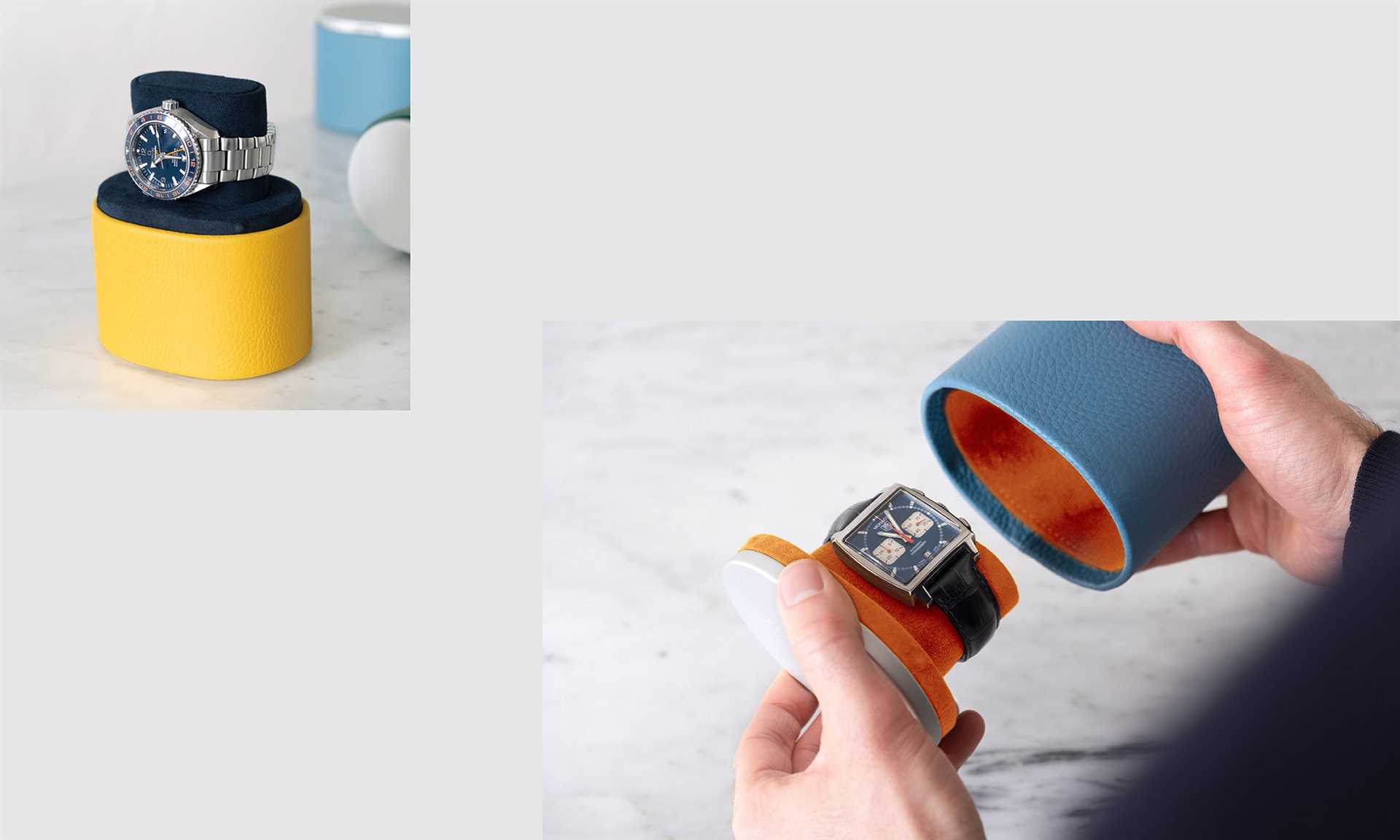
Storing timepieces in your checked bags is generally acceptable, but various airlines and security regulations may apply. It’s advisable to consult your chosen carrier and review specific restrictions.


Considerations for Packing
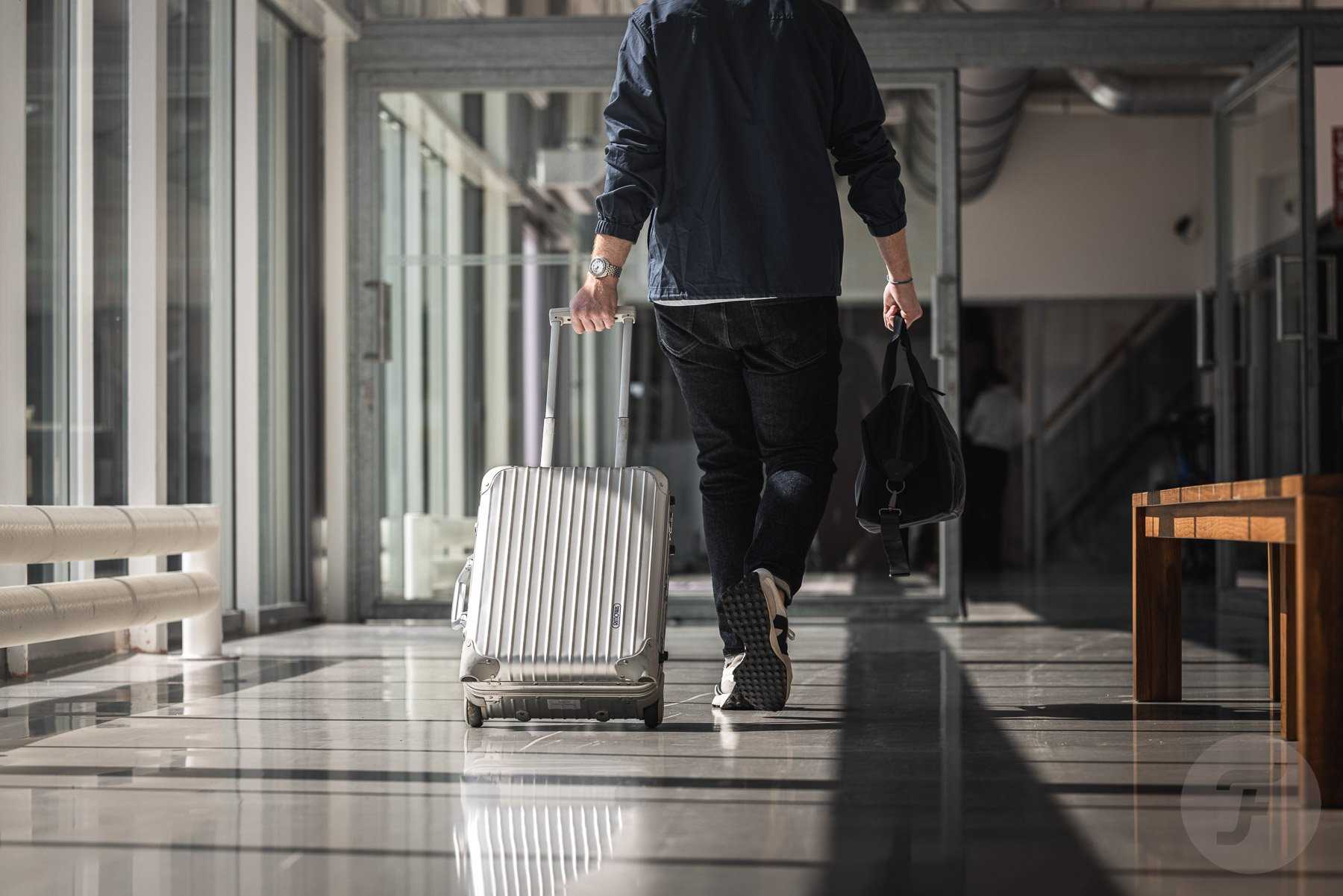
- Use soft pouches or cases to prevent scratches and damage.
- Remove any batteries if traveling internationally, as certain regulations may restrict battery-powered devices.
- Consider the value of your timepiece; high-value items are better secured with you during travel.
Security Checkpoints
- Declare any valuable items at security checks if needed.
- Be prepared for inspections; remove items from conveyance if requested by personnel.
- Keep receipts and warranties accessible for potential verification.
Overall, while it is feasible to pack timekeeping devices in your checked baggage, being cautious and well-informed ensures peace of mind throughout your journey.
Understanding Airline Policies on Wrist Watches
It’s important to verify each airline’s specific regulations regarding timepieces. Generally, most carriers permit these items in both carry-on and checked items. However, certain conditions apply. For instance, high-value or delicate models should ideally remain with passengers to minimize the risk of damage or theft.
Consult the airline’s official website or contact their customer service for the most accurate details. Many organizations advise placing such possessions in protective cases to avoid scratches or other harm during transit.
Security screenings at airports often require devices to be placed separately. Ensure compliance with screening protocols to expedite the process. Expect that some international flights might enforce different rules, so confirm regulations before departure.
If traveling to destinations with varying customs rules, check if additional duties apply to high-value items upon arrival. Keeping receipts may help in determining the value during customs checks.
Comparing International Regulations for Carry-on vs. Check-in Items
For passengers planning international travel, understanding the regulations regarding personal items is essential. While many carriers permit specific accessories in cabin storage, rules differ significantly regarding checked items. Below is a comparison highlighting key international guidelines for both categories.
| Region | Carry-on Regulations | Checked Bag Regulations |
|---|---|---|
| North America | Personal accessories are permitted, often with limits on size. Some airlines suggest stowing valuables onboard. | Most airlines allow these items, but policies can vary. Always consult with the airline for specific restrictions. |
| Europe | Generally accepts personal items in the cabin, though security may require checks at checkpoints. | Regulations tend to be more lenient. However, declare valuables to avoid complications. |
| Asia | High-security standards apply, leading to stricter control over cabin items. Review guidelines from specific carriers. | Most airlines are flexible with items placed in the hold, but approval from management may be needed for certain valuables. |
| Australia | Personal belongings allowed, with standard size limits enforced across carriers. | Checked items have minimal restrictions, but do confirm with the airline about fragile items. |
| Middle East | Customarily accepts personal accessories; however, substantial security measures are in effect. | Most carriers permit items in the hold, and clarification on high-value equipment is advisable. |
In summary, while regulations for onboard items generally favor stricter guidelines, policy around checked belongings allows more flexibility. Always consult your airline for the latest and most specific regulations before traveling.
Tips for Safely Packing Wrist Watches in Check-in Luggage
Use a sturdy watch case designed for travel. This provides cushioning against shocks and impacts during handling. Ensure the case securely closes to prevent accidental opening.
Wrap each timepiece individually in soft materials like microfiber cloths or bubble wrap, which serve as additional barriers against scratches and damage from other items.
Place the packed case in the center of your suitcase and surround it with soft clothing, like t-shirts or sweaters, creating an added layer of protection.
Avoid placing heavy items on top of the container to minimize the risk of crushing. Ensure it’s positioned away from edges to reduce exposure to potential impacts during transit.
Document any valuable items for insurance purposes. Take clear photos and keep receipts together in a separate compartment within your baggage.
Consider using a travel planning app or document to track your items, especially if traveling with multiple containers. This aids in quick identification upon arrival.
Before boarding, confirm your airline’s specific regulations regarding valuable possessions, ensuring compliance and awareness of best practices for security checks.
What to Do if Your Timepiece Gets Damaged During Transit
Immediately document any damage by taking clear photographs from multiple angles. This evidence is essential for claims and discussions with your airline or insurance company.
Next, reach out to the airline customer service promptly. Report the situation and inquire about their claim process. Keep records of all communications, including dates, times, and names of representatives spoken to. An official report at the airport may also be necessary to initiate any compensation claims.
Check for Coverage
If the piece has been covered by insurance, review your policy. Ensure you understand the claims process, as some policies might require specific documentation or assessments from a jeweler. Gather receipts, warranties, or proof of purchase to support your claim.
Consult a Professional
Visit a qualified watchmaker to assess the damage. Get a detailed estimate for repairs, which can be useful when filing a claim or negotiating with the airline. A professional diagnosis can also clarify whether the piece is repairable and if the damage affects its overall value.
Lastly, maintain an organized file of all relevant documents related to the incident, including photographs, claims, and repair estimates. This will simplify discussions with involved parties and streamline potential compensation processes.
Common Myths About Timepieces and Air Travel
One prevalent misconception states that timekeeping devices must always remain on the owner’s wrist during air travel. In reality, most airlines permit them to be secured in baggage without complication. Proper packing is key to preventing damage.
Another myth suggests that these items trigger security alerts. While certain models, particularly those with metal components, may raise flags at checkpoints, most standard types pass through security without issue. Always place them in a separate container if concerned.
Many travelers believe insurance for timepieces is unnecessary when flying. However, this is often incorrect, as loss or damage can occur. It’s wise to insure valuable pieces before heading to the airport.
Some people assume that leaving this accessory in a bag can lead to battery issues. Contrary to this belief, most batteries are designed to withstand various environmental conditions, including temperature changes during flights.
Lastly, there’s a notion that all airlines have identical policies regarding this accessory. In fact, regulations vary by carrier and destination. Always check specific airline guidelines prior to your journey to avoid surprises.