Ethan Cole

Timepieces encapsulate more than just the measurement of hours; they serve as a mirror reflecting the cultural, economic, and social dynamics of their times. Each model can display distinct styles, materials, and functionalities that tell stories of their respective eras. For instance, vintage models from the mid-20th century often embody the aesthetic values and technological advancements of post-war society.
Analyzing the craftsmanship and design choices reveals the preferences and innovations of different cultural backgrounds. Luxury brands often represent exclusivity, while utilitarian models might highlight practicality and resilience. Moreover, these mechanisms can also act as status symbols, denoting wealth, taste, and societal standing, thus showcasing their role in fashion and identity.
When evaluating these timepieces, one should consider factors such as provenance, craftsmanship, and historical significance. Collectors and historians alike recognize specific pieces that have influenced trends or marked significant moments in time. This relationship between functionality and social expression solidifies these items as not merely tools for timekeeping but as significant markers of human experience.


Historical Significance of Timepieces in Different Cultures
The evolution of timepieces reflects distinct historical and societal contexts. In Europe during the 16th century, these instruments became symbols of status, often adorned with intricate designs, showcasing craftsmanship. Nobility used them to signify wealth and refinement.
In Japan, the introduction of portable timing devices in the Edo period led to a shift in daily life and commerce. The adoption of these instruments facilitated punctuality in trade, thereby enhancing economic activities and social structure.
In the 20th century, military applications of these devices emerged as key elements for strategy and coordination during conflicts. The models utilized by armed forces reflected rugged functionality, later transitioning into everyday design for civilians.
Moreover, regional craftsmanship brought unique styles. Swiss innovation emphasized precision, while Japanese manufacturing focused on minimalism and artistry. Each region’s approach contributed aesthetic and technical diversity to the development of portable time-telling mechanisms.
As status symbols, personal devices began to encapsulate individual identity, expressing personal taste and lifestyle choices. Today, variations reflect cultural narratives, embracing both historical influences and modern trends.
Wrist Timepieces as Symbols of Status and Identity
Wrist timepieces serve as a potent medium for expressing personal identity and social standing. They communicate more than just time; they signify wealth, taste, and values. High-end brands such as Rolex, Patek Philippe, and Audemars Piguet are not merely about functionality; they embody luxury and exclusivity.
In various circles, a prestigious timepiece can denote success and achievement. The choice of a specific model often reflects one’s aspirations, social affiliations, and even professional affiliations. For example, sports models may resonate with athleticism and vitality, while classic designs might suggest refinement and tradition.
The market for luxury timepieces continues to thrive. According to recent statistics, the global luxury watch market was valued at approximately $7 billion, expected to surpass $10 billion in the coming years. This trend highlights how these accessories are sought as status symbols across different demographics.
Furthermore, watches can serve as cultural markers. In certain communities, specific brands or styles can signify belonging. For instance, in the tech world, a smartwatch is not just an accessory but a statement about being at the forefront of innovation.
Here is a comparison between different brands that illustrate their status symbolism:
| Brand | Price Range | Status Association |
|---|---|---|
| Rolex | $5,000 – $500,000 | Success, wealth |
| Patek Philippe | $20,000 – $2,000,000 | Heritage, prestige |
| Audemars Piguet | $15,000 – $1,500,000 | Innovation, luxury |
| Casio G-Shock | $70 – $300 | Durability, practicality |
In summary, timepieces transcend their functional role by serving as powerful statements of identity and social positioning. Whether through high-caliber craftsmanship or unique design, they articulate personal narratives and social hierarchies. Investing in a particular brand can reflect an individual’s values, aspirations, and even cultural affiliations.
Craftsmanship and Design: Artistry in Timepieces
Examine the intricate detail and skill that goes into creating exquisite timekeeping devices, which serve not only as mechanisms for time measurement but also as expressions of artistry. Distinctive styles reflect both functionality and aesthetics, showcasing the masterful techniques involved in their creation.
Materials and Techniques
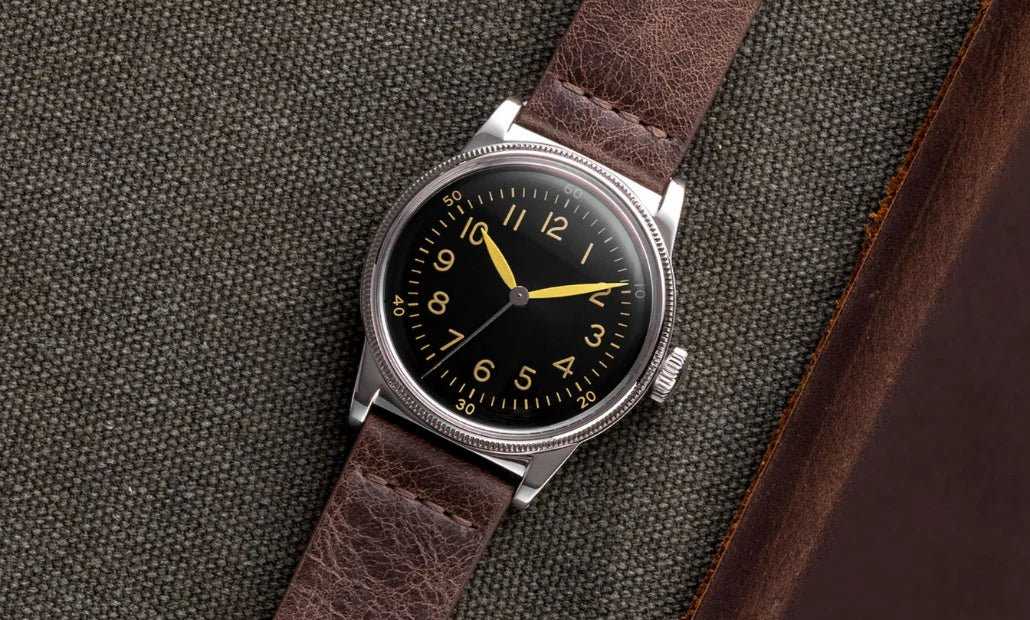
Many of these devices are constructed from an array of high-quality materials, enhancing both durability and visual appeal. Commonly used materials include:
- Stainless Steel: Known for its resistance to corrosion, often used for cases and bands.
- Gold: Adds luxury; usually found in high-end pieces.
- Leather: Often used for straps, offering comfort and elegance.
- Sapphire Crystal: Provides scratch resistance for the watch face.
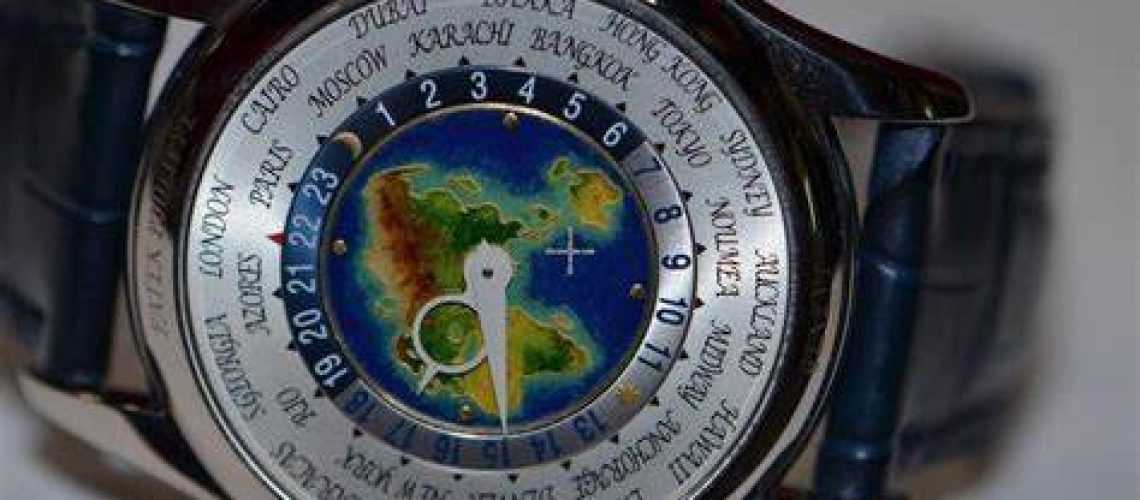
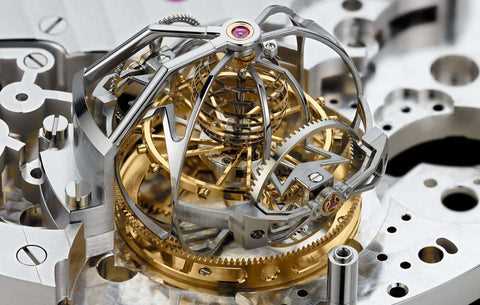
Master craftsmen utilize techniques such as hand engraving, enameling, and intricate assembly, showcasing their skills through each piece. For instance, complications like perpetual calendars or tourbillons require precision engineering and extensive knowledge.
Innovative Design
Designs often draw from cultural influences, incorporating traditional motifs or contemporary trends. Unique shapes, color palettes, and dial configurations contribute to a piece’s distinct character. Key design elements include:
- Dial Layout: The arrangement of hour markers, sub-dials, and hands dictate usability and style.
- Case Shape: Variations such as round, square, or asymmetrical create a signature look.
- Strap Design: Customizable and replaceable straps allow personalization, adapting to different occasions.
Well-crafted devices not only serve practical functions but also become cherished collectibles, embodying the dedication of artisans whose legacies endure through the art they create. As such, the realm of horology transcends mere timekeeping and becomes a canvas for creativity and craftsmanship.
Impact of Technology on the Cultural Perception of Timepieces
Technology significantly redefines the way society interacts with timepieces, influencing their status as both functional items and expressions of identity.
Shifts in Functionality
Smart technology allows for multifunctionality, transforming traditional instruments into essential tools for communication, health monitoring, and lifestyle management. Many individuals view these modern timekeepers not merely as devices to track time but as extensions of their personal and social lives.
- Tracking fitness metrics has fostered a new appreciation for the blend of health and style.
- Notifications and apps integrated into these gadgets enable constant connectivity, changing perceptions from utility to necessity.
Craft and Mechanism
In an era of mass production, artisans opting for hand-crafted versions highlight craftsmanship and restore interest in exclusive designs. This resurgence serves as a counterbalance to the ubiquity of smart devices by appealing to those seeking uniqueness and storytelling in their accessories.
- Watchmakers employ traditional techniques, combining modern technology with classic artistry.
- Limited editions and collaborations emphasize rarity and desirability, appealing to collectors and enthusiasts.
Overall, technology reshapes how timepieces are perceived, enriching their meanings and elevating their roles beyond measurement tools to symbols of personal style, health consciousness, and craftsmanship appreciation.
Case Studies: Iconic Timepieces in Art and Media
Examining the impact of notable timepieces within various artistic expressions and visual narratives highlights their significance beyond mere timekeeping. Consider the Jaeger-LeCoultre Reverso, famously featured in films such as “The Talented Mr. Ripley.” Its unique reversible case allows for personalized engravings, evoking themes of duality and identity. This versatility contributes to its status as an emblem of sophistication in both cinema and daily life.
Artistic Representation
The painting “Self-Portrait with Grey Felt Hat” by Vincent van Gogh showcases an early wrist-mounted chronometer, indicating the importance of time management and introspection in his work. The inclusion of such items enhances the narrative context, prompting viewers to reflect on the passage of time and the artist’s own temporal struggles.
Television and Popular Culture
In the realm of television, the Omega Seamaster gained iconic status through its association with the James Bond franchise. This emblematic accessory not only signifies the character’s refined taste but also highlights themes of adventure and luxury. Its portrayal in various Bond films has cemented its place in pop culture, making it a sought-after item that represents both aspiration and lifestyle.
Collecting and Preserving Timepieces as Cultural Heritage
Engaging in the collection of timepieces requires careful consideration of preservation practices to maintain their historical and aesthetic value. Prioritize storing pieces in controlled environments, away from direct sunlight, humidity, and extreme temperature fluctuations. Utilize acid-free materials for display and storage, which help to avoid damage from chemical reactions.
Develop a systematic approach to documenting each piece’s origin, model, and unique features. This information can contribute significantly to understanding the socio-historical context of the timepiece. Keep detailed records, including photographs and provenance, to enhance interest from future collectors or institutions.
Community Involvement and Education
Encourage community engagement by organizing exhibitions or workshops that showcase the artistry and craftsmanship behind varying models. Collaborate with local museums to display collections, further emphasizing the importance of these items within cultural narratives. Education initiatives can foster appreciation for the technical and artistic skills involved in their creation.
Connecting Modern Practices to Historical Significance
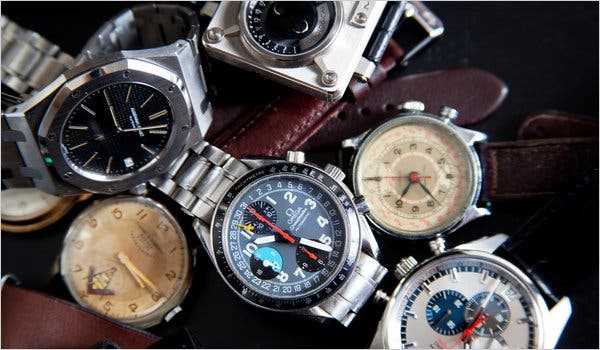
Apply modern conservation techniques to ensure the longevity of these valuable items. Techniques such as servicing movements and cleaning dials must be executed by skilled professionals familiar with the intricacies of different manufacturing processes. An ongoing dialogue with horologists and historians can bridge the gap between contemporary practices and historical significance, further enriching the collecting experience.
FAQ:
What criteria must a wrist watch meet to be considered a cultural artifact?
To classify a wrist watch as a cultural artifact, several criteria can be examined. Firstly, it should reflect the values, beliefs, and practices of a specific culture or society during a certain period. For instance, watches that incorporate traditional craftsmanship, historical significance, or unique design elements may hold cultural importance. Additionally, a wrist watch’s role in social rituals, fashion trends, or as a status symbol contributes to its cultural status. Academic studies often evaluate objects based on how they encapsulate and communicate cultural narratives, which can enhance the watch’s value as an artifact.
How do wrist watches serve as status symbols within different cultures?
In many societies, wrist watches symbolize status and personal identity. High-end brands, like Rolex or Patek Philippe, are often associated with wealth and success. The choice of a watch can signal one’s social standing, profession, or lifestyle. For example, in corporate environments, luxury timepieces may be favored to convey professionalism and affluence. In contrast, smart watches have become popular among tech enthusiasts, representing innovation and modernity. The cultural significance behind these timepieces highlights how they can transcend mere functionality, embodying social messages and prestige.
Can the design of a wrist watch reflect the cultural influences of its time?
Absolutely, the design of a wrist watch often mirrors the aesthetics and technological advancements of the era in which it was created. For instance, Art Deco watches from the 1920s and 30s display geometric shapes and bold colors, reflecting the artistic movement of that period. Similarly, military watches have functional designs aimed at durability and precision, shaped by the demands of wartime conditions. By analyzing the design elements and materials used in wrist watches, one can gain insights into historical events, cultural tastes, and the prevailing values of the time, reinforcing the idea that watches can be rich cultural artifacts.