
 Ethan Cole

Integrating responsive capabilities into personal timepieces is no longer a futuristic notion. Modern devices are equipped with a plethora of sensors that detect various environmental factors. These sophisticated instruments facilitate interaction with users and surroundings seamlessly.
For instance, many contemporary timepieces can monitor physiological metrics, including heart rate and activity levels. Moreover, they can adjust their functionalities based on user preferences, making them indispensable for maintaining an active lifestyle. Notifications from smartphones can be displayed directly on the device, ensuring that important updates are never missed.


Exploring multi-functional applications is crucial for maximizing benefits. Features such as GPS tracking, sleep monitoring, and customizable reminders transform these devices into personal assistants. The ability to sync with smart home systems further enhances their versatility, allowing for a connected experience across multiple platforms.
Investing in a device that offers these capabilities can significantly augment daily routines. Understanding specific functions and selecting models that align with personal needs ensures that one fully leverages the technological advancements available in today’s timepieces.
Functionality of Wearable Devices in Environmental Interaction
Modern devices can detect alterations in surroundings through various sensors. These include temperature sensors, accelerometers, and heart rate monitors, allowing users to gather data about their physical state and external conditions.
For instance, wearable technology equipped with a heart rate monitor adjusts its feedback based on detected changes in heart activity. Users receive prompts to modify their exercise intensity or take breaks, enhancing personal fitness management.
Adaptive Features and User Interaction
Some advanced models employ gesture recognition and voice activation, enabling hands-free control. This adaptability explicitly aims to improve user experience and accessibility, responding intuitively to movements or verbal commands.
Integration with Smartphone Applications
Many devices synchronize with mobile applications to provide a comprehensive analysis of collected data. Users receive tailored recommendations, enhancing health monitoring by integrating data from physical activity, sleep patterns, and stress levels. This dual connectivity enables proactive adjustments to lifestyle habits based on real-time feedback.
Understanding Sensor Technology in Smartwatches
Advancements in sensor technology empower modern smart devices with enhanced detection capabilities. Accelerometers, gyroscopes, heart rate monitors, and environmental sensors transform how these gadgets interact with users. To maximize utility, focus on wearable models equipped with an array of integrated sensors that capture diverse data types, from motion to biometric readings.
Types of Sensors and Their Applications
Accelerometers measure acceleration forces in multiple directions, facilitating activity tracking and gesture recognition. Coupled with gyroscopes, which gauge orientation, these components enable precise movement analysis. Utilization of heart rate sensors provides users with insights into cardiovascular health, making it possible to monitor fitness levels during various activities. Environmental sensors augment the functionality by measuring temperature, humidity, and ambient light, further enriching user experience.
Future Trends in Sensor Integration
Anticipate ongoing improvements, such as smaller, more efficient sensors and integration of advanced technologies like machine learning for real-time data analysis. This evolution will allow devices to not only gather information but also interpret it effectively, providing personalized recommendations and insights tailored to individual lifestyles.
Real-Time Health Monitoring Capabilities
Integrating real-time health analytics, devices provide users with immediate feedback on various physiological parameters. These gadgets utilize advanced sensors to track heart rate, blood oxygen levels, and more, allowing for continuous health oversight.
Heart rate monitoring is a foundational feature. Devices can display real-time heart rates, which assists in assessing cardiovascular fitness and alerting users to unusual patterns. Regular tracking empowers users to adjust their workouts or seek medical advice when atypical readings occur.
Oxygen saturation levels can now be monitored through photoplethysmography sensors. Maintaining optimal blood oxygen levels is vital for overall health, especially for those engaging in exercise or managing respiratory conditions. Alerts can notify users if their levels fall below a predefined threshold.
Stress levels evaluation enhances awareness of mental well-being. Variability in heart rate data helps predict stress responses, enabling users to implement calming techniques or take breaks when necessary.
| Feature | Benefit |
|---|---|
| Heart Rate Tracking | Monitor cardiovascular health |
| Oxygen Saturation Measurement | Ensure adequate respiratory function |
| Stress Level Monitoring | Promote mental wellness |
| Sleep Tracking | Enhance sleep quality |
Sleep monitoring has emerged as a crucial aspect of health assessment. By analyzing sleep patterns, these devices help users identify issues like insomnia or irregular sleep cycles, fostering better rest habits.
Finally, the integration of gyroscopic sensors for activity tracking plays a vital role in encouraging physical engagement. Users can analyze their movement patterns to make healthy lifestyle choices and fulfill fitness goals.
Responding to Environmental Changes: Features Explained
Adaptive features in modern timepieces allow for direct interaction with surroundings, significantly enhancing user experience. For instance, many devices integrate temperature sensors, enabling the monitoring of ambient temperature. This data can trigger alerts to users about extreme conditions, fostering awareness and aiding in safety precautions.
Humidity detection is another aspect that plays a crucial role in environmental assessment. Devices equipped with hygrometers can notify users about high humidity levels, which may influence comfort and health, particularly for individuals with respiratory conditions.
Light sensors are increasingly common, enabling automatic brightness adjustment of displays based on ambient lighting. This functionality enhances readability and reduces battery consumption, as screens adaptively dim or brighten based on surrounding light conditions.
Additionally, devices often feature altitude tracking through barometers, beneficial for outdoor enthusiasts. This information aids in preparing for potential weather changes when climbing or hiking, enhancing preparedness and safety in unpredictable conditions.
Integration with GPS technology allows users to monitor changes in location, supplemented with data on environmental variables such as air quality. This feature not only assists in navigation but also provides insights into the healthiness of areas being traversed.
All these functionalities work in unison, highlighting the device’s capacity to analyze and interpret environmental factors, thus allowing for informed decisions and better adaptation to surroundings.
Interaction Through Notifications: How It Works
Notifications enable instant communication between users and their devices, facilitating a seamless exchange of information. Devices utilize various connectivity protocols, such as Bluetooth and Wi-Fi, to transmit data from mobile devices or applications directly to the user’s interface.
Data Transmission Mechanisms
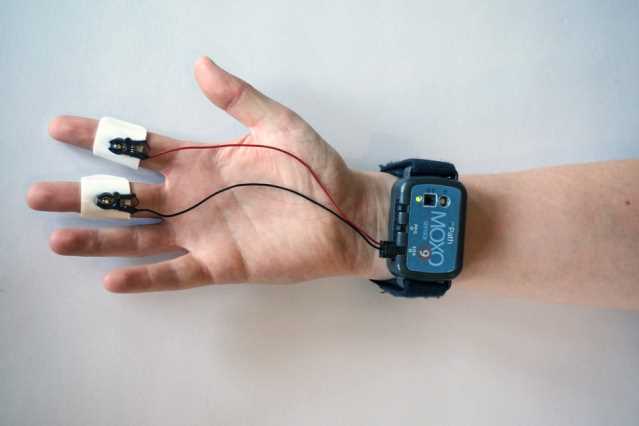
Most smart devices use push notifications, which allow applications to send real-time updates without requiring users to manually refresh content. This method ensures that crucial alerts regarding messages, reminders, and updates appear promptly, enhancing user engagement and responsiveness. The transmission occurs over secured channels, maintaining user privacy.
Personalization and Customization
Users can customize notification settings based on preferences, selecting which alerts to receive and how to be notified–via vibrations, sounds, or visual cues. Adaptive algorithms analyze user interactions to optimize notification relevance, ensuring that the most pertinent information is prioritized. This personalization enhances the interaction experience, minimizing distractions while keeping essential updates accessible.
Practical Applications in Daily Life: A User’s Perspective
Utilizing a modern timepiece goes beyond merely checking the hour; it enhances everyday experiences significantly. Below are practical applications that showcase how these devices can enrich daily routines.
Health Tracking Benefits
Regularly monitoring vital signs can lead to improved well-being. Key functionalities include:
- Heart Rate Monitoring: Engage with real-time data to understand physical exertion levels and stress, allowing for timely responses to health needs.
- Sleep Analysis: Gain insights into sleep quality, promoting restorative practices based on gathered data.
- Activity Tracking: Set and achieve fitness goals through step counts and exercise recognition, fostering an active lifestyle.
Time Management Enhancements
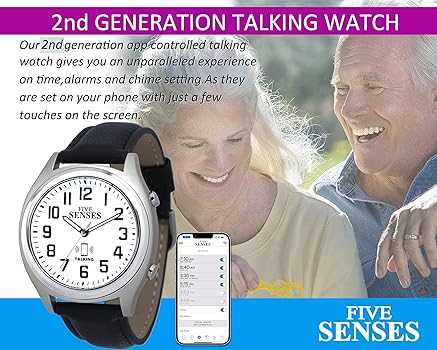
Efficient management of tasks and priorities can be facilitated through integrated features:
- Calendar Notifications: Stay aligned with appointments by receiving timely alerts, promoting punctuality.
- Task Reminders: Schedule critical reminders, minimizing the risk of overlooking important obligations.
- Timer and Stopwatch Functions: Use these features for productivity bursts during work or cooking sessions, encouraging better time allocation.
Incorporating these technologies can transform mundane routines into structured and health-conscious practices. Leveraging sensor capabilities enhances interactions, allowing for personalized improvements in both physical health and daily productivity.
FAQ:
What kinds of stimuli can a wristwatch sense?
A wristwatch can sense various stimuli depending on its functionality. Some common types of stimuli include movement, light, temperature, and physiological signals like heart rate. Smartwatches particularly excel in this regard, using sensors like accelerometers to detect movement and optical sensors to monitor heart rate. Additionally, advanced models can sense environmental changes, such as changes in ambient light that adjust screen brightness automatically.
How does a watch respond to the stimuli it senses?
The response of a watch to stimuli depends on its design. For instance, a smartwatch may display notifications when it senses a vibration from a phone or can prompt the user to stand if it detects prolonged inactivity. In contrast, traditional watches without smart features have limited response capabilities, primarily functioning through mechanical movements or quartz operations without any active feedback system. Responses can range from visual alerts on a screen to audible notifications, depending on the model.
Can a wristwatch track health metrics, and how does it do this?
Many modern wristwatches, especially smartwatches, are equipped to track health metrics like heart rate, steps taken, calories burned, sleep patterns, and even blood oxygen levels. They use various sensors such as optical sensors for heart rate monitoring and accelerometers for counting steps. Data collected by these sensors is processed and displayed through the watch interface, helping users monitor their health over time. Some watches even allow users to set health goals and reminders based on tracked data.
Are there any limitations to a wristwatch’s ability to sense stimuli?
Yes, wristwatches do have limitations in their ability to sense stimuli. For example, the accuracy of health tracking features can vary based on how the watch is worn or its sensor quality. More sophisticated sensors may provide better data but can increase the watch’s cost. Additionally, traditional watches lack the technological features necessary to sense and respond to stimuli effectively, as they operate solely on timekeeping functions without health tracking capabilities.
What advancements have been made in watch technology regarding stimuli sensing?
Recent advancements in watch technology have led to significant improvements in stimuli sensing. Many smartwatches now include advanced sensors that can monitor a wider range of health metrics, provide GPS tracking, and connect with other smart devices for integrated functionality. For instance, some models feature ECG capabilities for heart monitoring and SpO2 sensors for blood oxygen levels. Moreover, integration with apps enables watches to analyze gathered data to provide personalized insights and recommendations for health and fitness.


