
 Ethan Cole

For those owning a precision timekeeping device that synchronizes with atomic signals, it’s important to know that the energy cell is indeed changeable. Locating a specialist who understands the intricacies of these precision instruments enhances the likelihood of a seamless replacement process.
Consulting your manufacturer’s guidelines is the first step. Many reputable brands provide specific recommendations regarding the type of energy source suitable for their models and may suggest authorized service centers for optimal performance.
When considering a replacement, ensure that the technician possesses experience with either quartz or atomic mechanisms, as their complexity differs significantly from standard timepieces. Proper handling prevents potential damage to the delicate components involved, enabling your device to maintain its accuracy and longevity.



Battery Replacement for Precision Timepieces
Replacement is possible for these specialized time-telling devices. It’s recommended to consult manufacturer specifications or trained professionals when considering a swap.
Often, a unique battery type is utilized. Verify the specific variant that your timepiece requires before attempting a replacement.
Ensure that you handle the unit gently. Opening the casing improperly can lead to damage or malfunction. Utilize appropriate tools designed for such mechanisms.
If unsure, seek assistance from a certified technician. Their expertise ensures accurate reassembly and preservation of timekeeping integrity.
Regular maintenance is advisable to keep all components functioning seamlessly. Always store these precision instruments away from extreme conditions to prolong battery life.
Consider the warranty terms; self-repair may void manufacturer guarantees. Confirming warranty details before proceeding is prudent.
Lastly, familiarize yourself with the environmental disposal guidelines for batteries to ensure eco-friendly practices.
Understanding Atomic Watch Technology
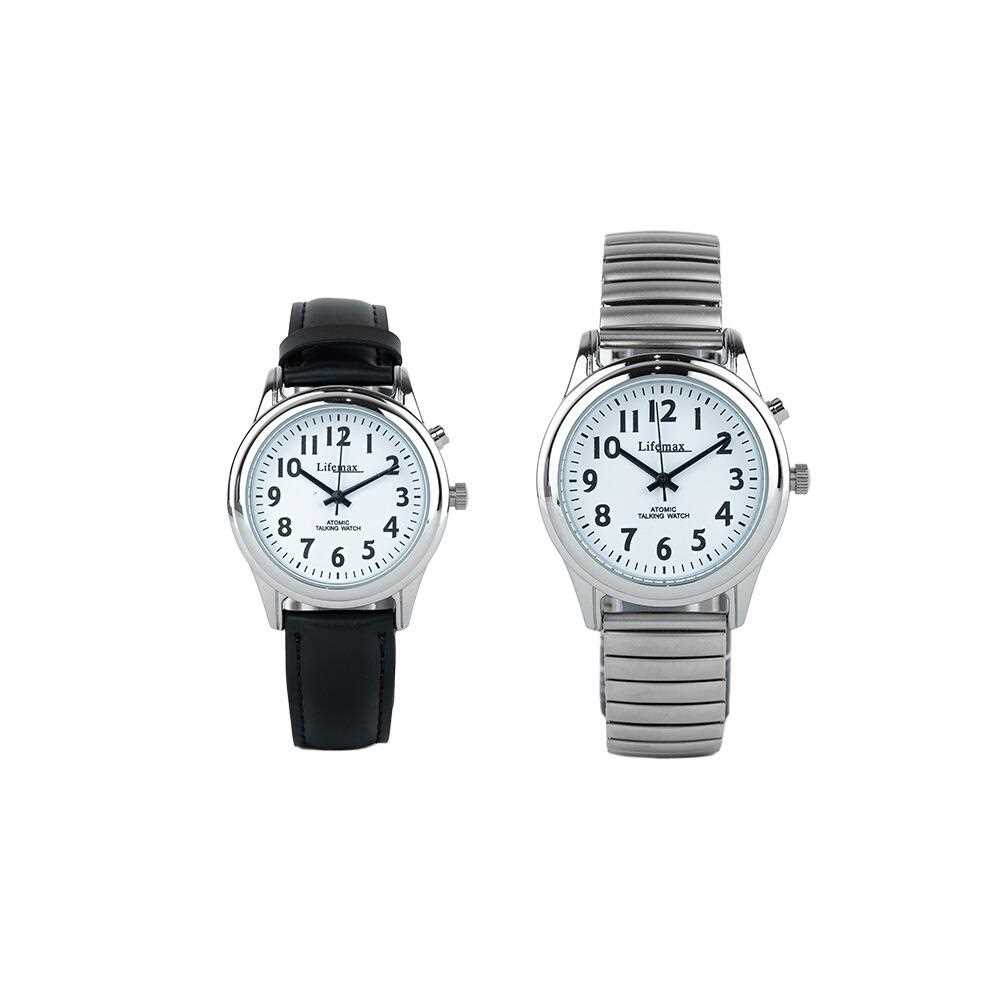
Atomic devices leverage radio signals to maintain unprecedented accuracy in timekeeping. These instruments synchronize their internal clocks with national and international time standards transmitted through atomic clocks, ensuring precision to within one second over many years.
Key Characteristics
- Signal Reception: Most of these devices automatically receive time signals at specific intervals, adjusting as needed based on the data received.
- Power Source: Commonly, a solar or lithium cell supplies power, working efficiently over extended periods, reducing the frequency of replacements.
- Durability: Often constructed to withstand harsh conditions, ensuring reliable performance across various environments.
Functionality Explained
Upon activation, these timepieces scan for available time signals. Once a successful connection is established, the internal mechanism aligns itself with the precise time. This process can occur daily or weekly, depending on the model.
Periodic adjustments from received signals compensate for any drift, keeping the time display accurate. Some variants allow users to manually synchronize, giving added flexibility in isolated areas without signal access.
Identifying the Battery Type in Your Atomic Watch
To determine the correct power source for your precision timepiece, inspect the back cover. Most manufacturers engrave a code or mark indicating the specific model, which assists in finding the appropriate energy cell.
If the marking is not visible, consult the user manual or visit the manufacturer’s website. Reference materials often include detailed information about the compatible energy supply type.
Common Battery Types
Here’s a summary of common types of energy cells used in precision timepieces:
| Battery Type | Code Example | Application |
|---|---|---|
| Silver Oxide | SR626SW | Frequent in various models due to reliability |
| Lithium | CR2025 | Widely used in advanced models for longevity |
| Alkaline | LR44 | Common in basic watches, but not ideal for high-tech versions |
After identifying the power source, purchase a replacement from a reputable dealer or vendor to ensure optimal performance and compatibility.
Steps for Safely Removing the Battery
To begin, ensure you have a clean, well-lit workspace. Gather necessary tools, including a small screwdriver, tweezers, and a soft cloth.
First, locate the back cover of the device. Use the screwdriver to gently remove any screws, or carefully pry open a snap-fit case. Take care not to damage the cover.
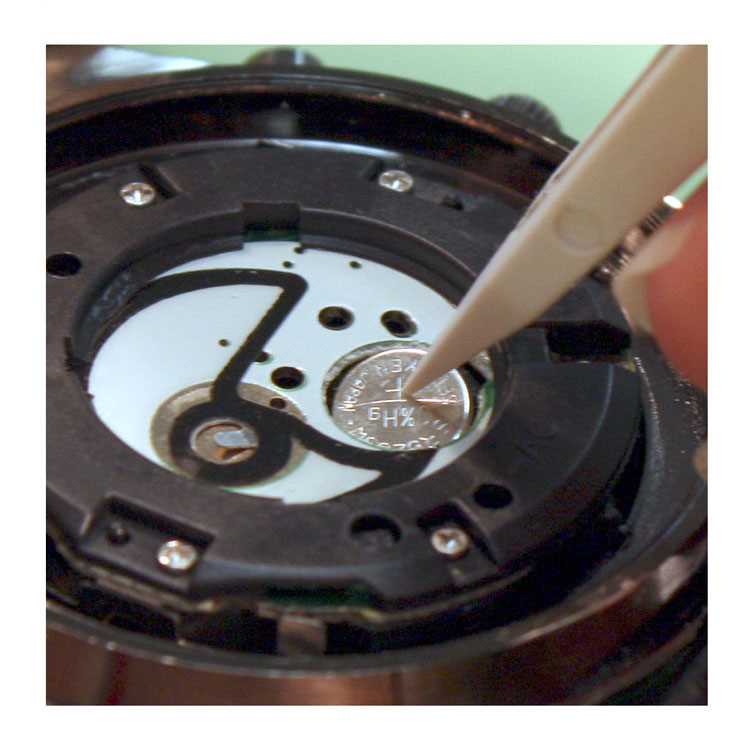
Once the back is off, observe the interior landscape of the unit. Identify the power source, noting how it sits in the compartment. This step is vital for proper reinstallation.
Next, use tweezers to grasp the battery securely. Pull it gently from its holder. Avoid applying excessive force to prevent damaging surrounding components.
Inspect the removed unit for any corrosion or debris. If present, clean the compartment with a soft cloth, taking care not to disturb other parts.
When inserting a new power source, ensure the positive and negative ends correspond with the markings in the compartment. Align it carefully before pressing it into place.
After securing the new power source, reattach the back cover, ensuring it fits snugly. Replace any screws you removed earlier.
Finally, dispose of the old power source responsibly, following local regulations for battery disposal.
Choosing a Compatible Replacement Battery
Selecting the right replacement cell involves pinpointing the specific type required for your timepiece. Refer to the user manual or manufacturer’s specifications for the exact model number, typically indicated in the documentation or on the watch’s case back.
The most prevalent types used in such timekeepers include lithium cells, commonly designated as CR types (like CR2025 or CR2032), which offer long life and stable performance. Verify that the dimensions and voltage match what is stipulated for your device.
Utilize a reputable retailer or an authorized service center to acquire the replacement unit. Generic options may be available, but these can compromise functionality or longevity.
When purchasing, consider options with good reviews to ensure reliability. Extended warranties can also provide peace of mind regarding the new component’s durability.
Keep in mind that improper fitting can cause damage both to the movement and the compartment. A snug fit without excessive pressure is crucial for optimal operation.
Reassembling Your Atomic Watch After Battery Replacement
To successfully reassemble your timepiece, align the case back with the main body ensuring the gaskets are properly seated. This prevents moisture ingress while maintaining the watch’s integrity. If your unit features a screw-down back, gently tighten it using a specialized tool without applying excessive force.
Verify the positioning of any securing clips; ensure they are in place and not obstructing the movement. If your mechanism has a reset function or dip switch, reset it according to the manufacturer’s instructions to ensure accuracy in timekeeping and signal reception.
After reassembly, conduct a functionality test. Activate the timekeeping feature and monitor for a few minutes, checking that it responds correctly to signals. Inspect for any irregularities in the display or functionality. If discrepancies arise, disassemble again to troubleshoot potential misalignments or faulty connections.
Finally, ensure to clean the exterior surfaces before use. Use a microfiber cloth to remove fingerprints and smudges, maintaining the aesthetic quality of your precision instrument.
Maintaining Accuracy Post Battery Change
To ensure optimal precision after replacing the energy source, follow these critical steps:
1. Synchronization with Atomic Time Signals
Immediately after installation, initiate a synchronization process. This can be accomplished by placing the timepiece in an area with a clear signal. Follow the manufacturer’s guidelines for the specific synchronization procedure to align with official time broadcasts.
2. Periodic Testing for Accuracy
Perform regular accuracy checks over a period of several weeks post-replacement. Use a reliable time reference, such as a smartphone or internet-based clock, to measure any deviations. If discrepancies arise, recalibrate as necessary.
3. Environmental Considerations
- Avoid extreme temperatures and humidity, which can affect performance.
- Limit exposure to magnetic fields, as they may disrupt timekeeping.
- Keep the device away from excessive vibrations or impacts.
4. Professional Servicing
If accuracy issues persist, seek professional servicing. Technicians can identify underlying problems that may affect timekeeping beyond the energy source.
By adhering to these recommendations, optimal timekeeping can be maintained following energy source replacement, ensuring continued reliability and functionality.
FAQ:
Can I replace the battery in my atomic wristwatch myself?
Replacing the battery in an atomic wristwatch can be a delicate process due to the watch’s intricate components and the need to maintain its precise timekeeping capabilities. While some people may choose to attempt this on their own, it’s generally advisable to have the battery replaced by a professional. This ensures that the watch is sealed properly after the battery change and that its functionality remains unaltered.
How often do atomic wristwatch batteries need to be replaced?
Atomic wristwatch batteries typically last anywhere from 2 to 5 years, depending on usage and the specific model. It is a good idea to keep track of the battery life, and when the watch starts to lose accuracy or stops functioning altogether, it may be time to replace the battery. Checking the manufacturer’s guidelines can also provide insight into the expected battery life for your particular watch.
What tools are needed to replace an atomic watch battery?
If you decide to replace the battery yourself, you’ll need a few specific tools, including a small screwdriver (often a Phillips head or flathead), a case opener or a plastic tool to open the watch case without scratching it, and tweezers to handle the battery. Many watch enthusiasts also recommend having a clean, static-free workspace to avoid losing small parts or damaging the watch during the process.
Are there special considerations for replacing the battery in atomic watches?
Yes, atomic watches often have additional features that standard watches do not, such as radio receivers that require careful handling. When replacing the battery, it is crucial to ensure that the new battery is of the same type and voltage specified by the manufacturer. Also, ensure that seals are replaced correctly to maintain the watch’s water resistance, if applicable. If unsure, consulting the user manual can provide guidance on specific requirements for your watch model.
Where can I get my atomic wristwatch battery replaced if I don’t want to do it myself?
If you prefer not to handle the battery replacement, you can visit a local watch repair shop or an authorized service center for your brand of atomic watch. Many jewelry stores that offer watch repairs can also assist. It’s advisable to choose a place with experience handling atomic watches to ensure that your timepiece is properly serviced without risking damage.


