
 Ethan Cole

For an optimal fit and ease of use, placing your timepiece on the left hand is generally recommended. This allows for easy adjustments and visibility, especially for those who write or perform activities that engage the right hand.
Consider the comfort of the fit. The timepiece should slide comfortably along your skin without pinching or leaving marks. Proper adjustment ensures that the accessory remains secure and easily accessible, allowing for quick glances at the time.
Style is another aspect. A left-side adornment often complements the natural movements of the right hand, creating a balanced look. This is especially relevant when selecting pieces that feature intricate designs or unique fastenings. Enhanced visibility adds to the overall aesthetic appeal.
Choosing the Appropriate Arm for a Timepiece
Place your accessory on the non-dominant arm. This allows for practicality and reduces wear while ensuring easy access to the timepiece for quick glances. For most, this is the left arm, especially for those who are right-handed.
Comfort and Style Considerations
Comfort is paramount, so ensure the fit is snug but not too tight. Consider the width of the band and how it complements your arm’s size. For aesthetic appeal, coordinating the timepiece with other jewelry can enhance overall style.


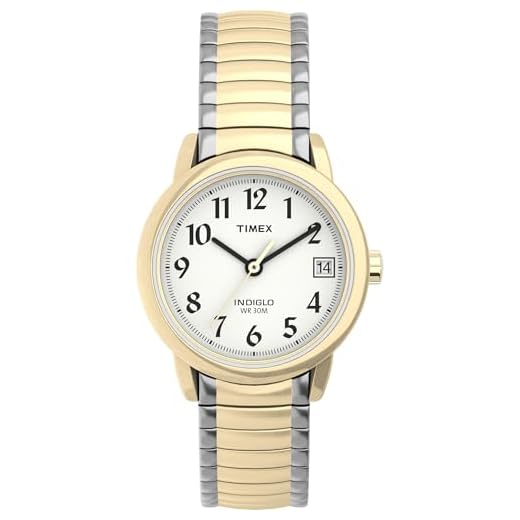
Adjusting for Activity
In the presence of physical activity or specific tasks, opt for the arm that offers more convenience. For instance, if engaged in activities that demand the dominant hand, consider switching the watch to the opposite arm temporarily.
Choosing the Right Wrist Based on Dominance
Opt for the opposite limb of your dominant hand for optimal comfort and functionality. This arrangement allows for greater ease during daily activities, minimizing the risk of damage to your accessory while offering a clear view of the time.
Research indicates that those who are right-handed generally prefer their timepieces on the left arm, and vice versa for left-handed individuals. This simple consideration can enhance both practicality and style.
In situations where switching is beneficial, such as during physical activities or sports, consider a flexible approach. The adaptability of wearing it on either side can enhance performance and convenience.
Ultimately, select the position that feels most natural and allows for an unobstructed line of sight to the dial. Personal comfort should guide your choice above all else.
| Dominance | Recommended Placement |
|---|---|
| Right-handed | Left arm |
| Left-handed | Right arm |
| Ambidextrous | Either arm depending on comfort |
Fashion Trends: Left vs Right Wrist for Women
The current style guides suggest opting for the left side for a timepiece while keeping the dominant hand free for activities. This has become a prevailing trend among fashion-forward individuals. However, the right side is gaining traction for various reasons.
Popularity and Aesthetic Appeal
Fashion trends often reflect personal choices and societal norms. Wearing a timekeeper on the right can create a unique aesthetic, especially when highlighting rings or bracelets on the left hand. Consider these points:
- Right-side wear allows greater visibility, particularly for intricate or statement pieces.
- Layering accessories can achieve a bold look without sacrificing functionality.
- Pairing with other jewelry becomes effortless, leading to a cohesive ensemble.
Influence of Cultural Norms
Cultural factors play a role in preference. In some cultures, right-side adornment symbolizes strength and individuality, making it more than just a style choice. Key observations include:
- Some regions celebrate the right as a dominant side, tying in personal and cultural significance.
- Social media platforms showcase diverse styles, encouraging experimentation and individual expression.
- Adoption of this trend by celebrities often influences mainstream fashion patterns.
Ultimately, aligning personal style with contemporary trends provides a unique opportunity for self-expression. Choosing which hand to flaunt a wrist accessory can make a distinct fashion statement.
Comfort Considerations for Watch Placement
Choose a location that allows for freedom of movement. The band should feel secure yet not constricting. A gentle fit contributes significantly to comfort throughout the day.
Material Matters
Opt for straps made from breathable materials like leather, fabric, or silicone. These options promote airflow and reduce moisture, enhancing comfort during prolonged use.
Size and Fit
Assess the dimensions of the timepiece in relation to your arm. Larger models may feel cumbersome, while smaller designs could enhance comfort. Ensure the piece rests flat on the skin without pinching or sliding, allowing easy access for both viewing and adjusting.
Consider the location of buttons or crowns as well. Position them where they will not irritate or interfere with daily tasks. The ease of adjusting settings without shifting the entire accessory is critical for prolonged wear.
Regularly check how the accessory aligns with your routine. If a specific spot proves uncomfortable, don’t hesitate to adjust placement. Prioritizing comfort leads to a more enjoyable experience.
Cultural Influences on Timepiece Placement
The practice of positioning a timepiece can vary significantly across different cultures, with various traditions influencing preferences. In some regions, it is customary for individuals to adorn their left arm, primarily due to the belief that it is more discreet and less vulnerable during daily activities.
In contrast, cultures that emphasize practicality may suggest placing timepieces on the dominant arm. This approach is practical for those who prioritize convenience and ease of access while maintaining functionality.
Fashion and societal norms also play critical roles. In certain cultures, the choice of placement can signify status or style, with right arm placement sometimes linked to assertiveness or a bold fashion statement.
Additionally, the significance of left versus right can vary. For example, in some cultures, the left arm is associated with femininity and delicacy, while the right is connected to strength. These perceptions can influence choices among individuals based on their cultural identity and personal beliefs.
Social media trends have further shaped these decisions, as influencers and celebrities often set new standards for acceptable practices, encouraging fans to adopt similar habits that align with popular aesthetics.
Regional distinctions also exist. In the Middle East, wearing timepieces prominently may symbolize wealth and sophistication, while in parts of Asia, functionality often takes precedence.
Ultimately, cultural backgrounds heavily influence individual choices in timepiece placement, with a blend of tradition, practicality, and contemporary trends guiding personal expression.
Practical Tips for Styling a Timepiece on Either Arm
Choose a placement based on functionality. If engaging in activities that require extensive use of one arm, opt for the opposite side. This minimizes interference and keeps the accessory intact.
Layering with Other Accessories
Combine the timekeeper with bracelets for a chic look. Select complementary pieces that match the metal or material of the timepiece. Stacking can create a stylish statement, especially on the favored arm.
Size and Style Considerations
Consider the scale of the timepiece. A larger face can stand out more on a slender arm, while a delicate design may suit broader limbs. Ensure the color scheme aligns with the chosen attire to maintain harmony in the overall appearance.
FAQ:
Is there a specific wrist side on which a woman should wear her watch?
Choosing which wrist to wear a watch on is primarily a matter of personal preference. Many women opt to wear their watch on the left wrist, especially if they are right-handed. This allows them to easily operate the watch with their dominant hand. However, there are no strict rules, and some women prefer to wear watches on their right wrist or switch between wrists to suit their style or comfort. Ultimately, it’s about what feels right and looks good to you.
Can wearing a watch on one wrist be more comfortable than the other?
Comfort can vary depending on which wrist is used. Some women may find that wearing a watch on their non-dominant wrist feels more comfortable, especially during activities that involve frequent use of their dominant hand. This choice can help reduce wear and tear on the watch and avoid accidental bumps or scrapes. Therefore, it’s suggested to try both wrists and see which feels more comfortable for daily wear.
Are there fashion guidelines for which wrist a woman should wear her watch?
Fashion guidelines about wearing watches often emphasize personal style over rigid rules. Traditionally, women have adhered to wearing watches on the left wrist, aligning with common practice. However, fashion is subjective, and many women express themselves by wearing watches on either wrist, depending on their outfit, layering style, or the watch’s design. Accessorizing with bracelets can also influence this choice, leading some to wear their watch on a wrist opposite to their bracelets to create visual balance.
Does the side on which a woman wears her watch have any cultural significance?
The cultural significance of wristwatch placement can vary by region and tradition. In some cultures, wearing a watch on the left wrist is seen as a sign of femininity or social status, while in others, it may not hold any specific meaning. Ultimately, the choice is largely influenced by regional trends and personal preference rather than a universally accepted cultural rule. It’s best to choose a side that feels right for you, regardless of cultural norms.
How can I decide which wrist to wear my watch if I often switch it up?
If you frequently switch wrists when wearing your watch, consider a few factors. First, think about your dominant hand, as wearing it on the opposite wrist may feel more comfortable during regular activities. Also, consider the watch style; some designs may look better on one wrist compared to the other. Finally, you might want to match the watch with your other accessories or outfits to achieve a cohesive look. Experimenting with both sides can help you find what works best for you day-to-day.


