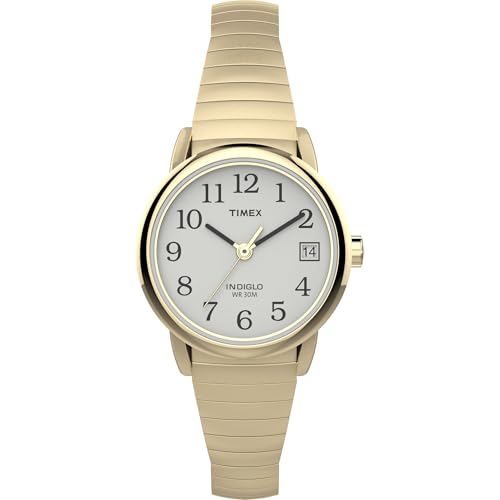
Ethan Cole
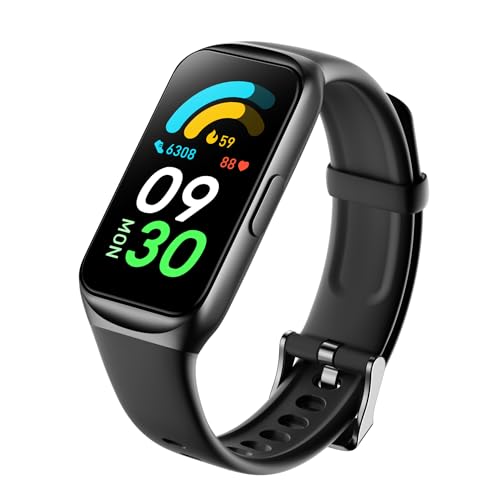
The functionality of sophisticated timepieces may be disrupted by various health-related factors related to heart health. Individuals experiencing irregular heart rhythms should monitor their watch’s performance, especially those that include health tracking capabilities. If discrepancies arise, consulting a medical professional is advised to ensure there’s no underlying issue influencing the fluctuations.
Precise mechanisms utilized in many wearable devices depend on steady physiological signals. Anomalies such as arrhythmias can result in erroneous data, which in turn affects the reliability of the readings shown on the device. Users relying on these features for health management must remain aware of how their condition impacts watch performance.
For optimal usage, individuals with cardiac irregularities should seek devices designed explicitly for medical monitoring. These advanced watches can provide reliable feedback, making it easier to manage one’s health. Regular updates from manufacturers can also enhance accuracy and functionality, leading to a more informed approach to personal wellness tracking.
Can Health Issues Affect a Timepiece?
Electromagnetic fields generated by medical devices such as pacemakers may disrupt the performance of certain timepieces, particularly those with quartz movements. Analog designs tend to be more resilient to interference, whereas smart models may exhibit erratic behavior when in proximity to such devices.
Recommendations for Avoiding Disruption
- Avoid wearing a timepiece close to medical devices.
- Keep a safe distance of at least 6 inches from any technology related to your health.
- Choose analog over digital when sensitive to electromagnetic interference.
Additional Considerations
Regular maintenance of timepieces is essential to ensure optimal function. Battery changes should be done in a controlled environment to prevent exposure to high levels of electromagnetic radiation during the process. Store your device away from electronic gadgets whenever possible.
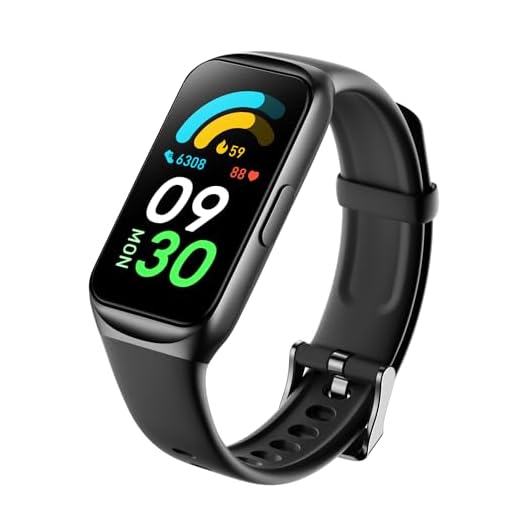


Impact of Heart Rate Variability on Watch Accuracy
For those utilizing timekeeping devices equipped with biometric sensors, fluctuations in pulse may adversely affect precision. Variability in heart rhythm can introduce inconsistencies in readings, subsequently impacting the reliability of the display. Monitoring fluctuations with suboptimal accuracy could lead to errors in timekeeping performance.
Recommendations for Users
Users experiencing significant rhythm fluctuations should consider calibrating their devices regularly to maintain precision. Adjustments to settings can assist in compensating for variability. Additionally, employing models renowned for robust data processing can enhance accuracy, minimizing discrepancies related to heart rate variability.
Choosing the Right Timepiece
Select smart models that feature advanced algorithms to filter out noise from heart rate data. Statistically, devices equipped with optical sensors may yield different levels of accuracy compared to their electrical counterparts, often impacting overall timekeeping. Analyze user reviews and technical specifications before selecting a model to ensure optimal performance under varying physiological conditions.
How Electromagnetic Fields Affect Timepieces
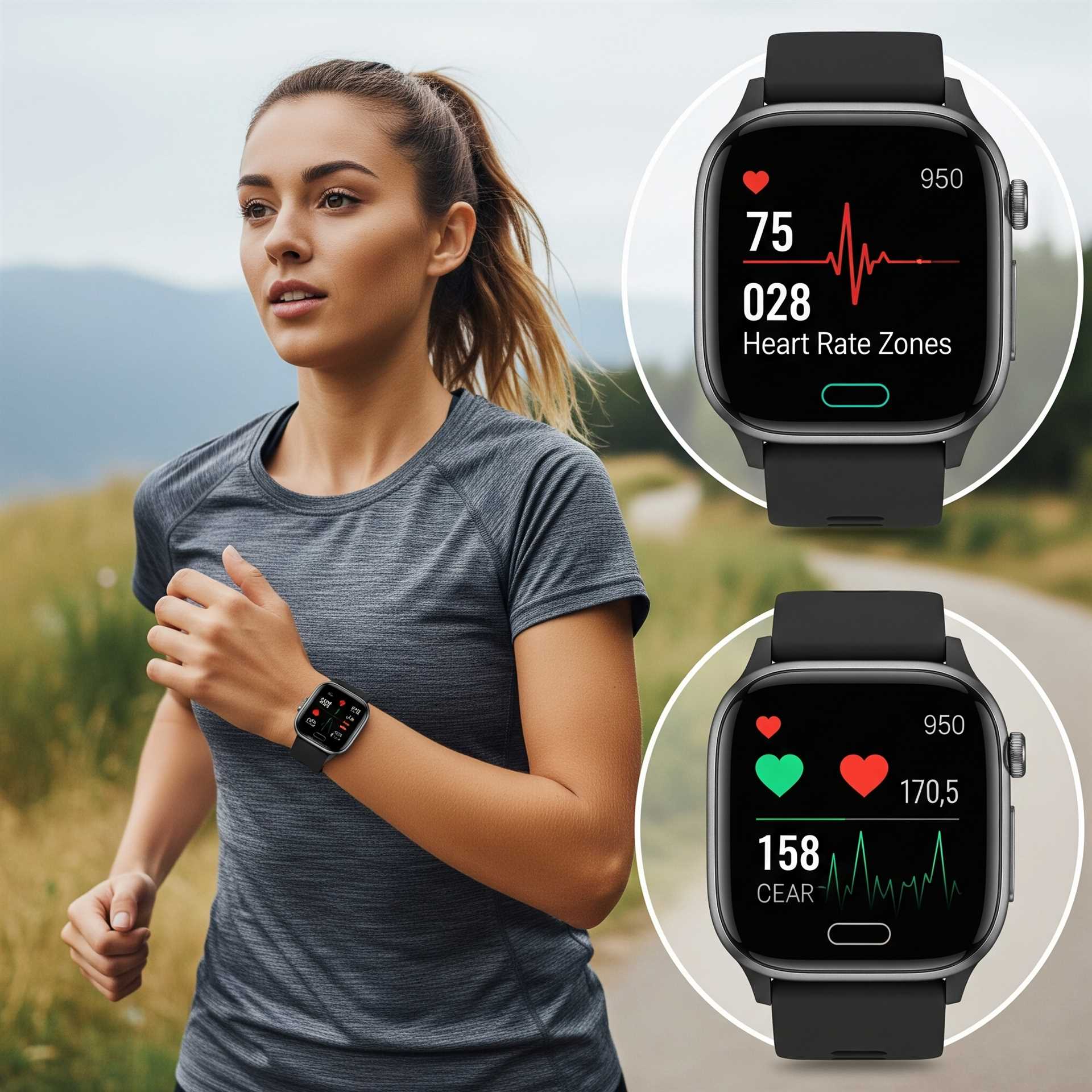
The risk of electromagnetic fields (EMF) affecting timepieces is a matter of concern for many enthusiasts. It’s recommended to keep time devices away from strong sources of EMF to prevent potential disruptions in performance. Devices like smartphones, tablets, and computers emit varying levels of electromagnetic radiation that may induce errors in timekeeping.
Quartz mechanisms show greater susceptibility to EMF disturbances compared to mechanical counterparts. The electronic components in quartz timepieces can be influenced by external fields, leading to inaccuracies in time measurement. Regular exposure to high-frequency EMF could result in abnormal time readings, thus affecting overall reliability.
Users should be cautious in environments with strong electromagnetic emissions, such as industrial settings or near high-voltage lines. Shielding techniques, like using cases with protective materials, can mitigate these effects. It’s advisable to periodically check the accuracy of the timepiece after prolonged exposure in such areas.
Overall, staying informed about the sources of electromagnetic emissions and their potential impact on timekeeping can enhance the longevity and reliability of these devices. Regular maintenance and monitoring are good practices for ensuring optimal performance in the presence of EMF.
Using Wearable Tech to Monitor Heart Conditions
Integrating wearables into daily routines can significantly enhance health tracking. Advanced devices equipped with sensors provide real-time monitoring of vital signs, enabling early detection of irregularities.
Opt for models with reliable heart rate monitoring capabilities. Look for those that feature ECG functionality, which allows for detailed analysis of cardiac activity. Some devices offer notifications for abnormal readings, enhancing safety and proactive management.
Choose wearables that sync effortlessly with health applications. These apps offer comprehensive data analysis, empowering users to visualize trends and patterns over time. Consistent usage facilitates better understanding and management of personal health metrics.
Consider additional features, such as activity tracking and sleep monitoring. These elements contribute to a holistic view of health, aiding in lifestyle adjustments that can positively influence overall well-being.
Evaluate battery life and comfort. A device that is lightweight and long-lasting encourages uninterrupted wear, maximizing the potential benefits of continuous monitoring.
Ensure that the selected gadget receives regular firmware updates. Manufacturers often release enhancements and new features, which can improve accuracy and user experience over time.
Lastly, consult healthcare professionals for guidance on interpreting data collected by these devices. Expert advice can provide context and help in creating effective management strategies tailored to individual needs.
Battery Lifespan: Health Issues and Smart Watches

Monitoring battery longevity is crucial for users of smart devices designed to track physiological parameters. In particular, certain health conditions may shorten battery life due to heightened sensor activity and processing demands. For instance, continuous tracking of elevated vitals requires more energy, directly impacting the power management of these gadgets.
Choosing a model with energy-efficient features is advisable. Look for devices that utilize optimized algorithms for data collection. Enhanced sleep modes can extend the operational time between charges by reducing sensor usage during periods of inactivity.
Regular software updates often improve battery performance. Manufacturers may release updates that optimize power consumption, thus prolonging device lifespan. Additionally, consider charging habits; frequent partial charges can be less stressful on batteries than complete discharges and subsequent replenishments.
Lastly, always assess the display settings. Brightness levels have a significant effect on battery consumption. Reducing screen brightness and turning off vibration alerts can contribute to longer intervals between needed charges.
Choosing the Right Timepiece for Individuals with Cardiac Conditions
Select models that prioritize comfort and ease of use. Lightweight materials such as titanium or silicone are recommended to reduce strain on the wrist during prolonged wear.
Opt for timepieces designed with minimalistic designs, featuring clear displays that enhance readability without excessive distractions. A larger dial can help facilitate easier time reading.
Consider avoiding devices that are overloaded with features, as these may unintentionally complicate usage. Instead, focus on functionalities that truly matter, such as a simple heart rate monitor, while ensuring that extra features do not interfere with basic operations.
Investigate battery types thoroughly. Lithium-polymer batteries tend to have a longer lifespan compared to traditional options, which may require more frequent replacements. Select brands that offer reliable aftercare support for battery issues.
When evaluating compatibility with electronic devices, ensure that the chosen timepiece adheres to any health monitoring systems already in use. Cross-compatibility can streamline data management and enhance user experience.
Lastly, prioritize brands known for their durability and robust design. A timepiece that can withstand regular wear will provide peace of mind and longevity, essential for individuals who prefer reliability in their accessories.
FAQ:
Can heart problems affect the accuracy of a wrist watch?
Yes, heart problems can potentially influence the accuracy of a wrist watch, particularly if the watch relies on biometric data, such as heart rates or activity levels. Some modern smartwatches use sensors to monitor heart rate and fitness activities, which can be affected by irregular heart rhythms. If a person has arrhythmia or another condition that impacts heart function, this might lead to less accurate readings from the watch. However, traditional mechanical or quartz watches function independently of the wearer’s heart condition and should remain accurate regardless of any heart issues.
Are there specific types of wrist watches that are recommended for people with heart problems?
For individuals with heart conditions, it is often advisable to choose watches that focus on functionality over advanced features. Traditional watches, such as quartz models, offer reliability without involving sensitive biometric tracking that may be affected by heart issues. If a smartwatch is preferred, consider one that allows customization of heart monitoring features or offers alerts for irregular readings, enabling the user to stay informed without overwhelming themselves. Ultimately, the best choice will depend on personal preferences and medical advice from a healthcare provider.
How can irregular heartbeats affect watch functions?
Irregular heartbeats, or arrhythmias, can impact the performance of watches that are designed to track heart rate and physical activity. Smartwatches that utilize sensors to monitor these metrics may misinterpret erratic heartbeats, leading to inaccurate data displays. In contrast, standard analog or digital watches are typically unaffected by the user’s heart condition, as they do not rely on biological data for their operation. It is essential for users with heart conditions to understand how their specific watch functions to avoid confusion regarding activity readings or health statistics.
What features should a watch have for someone with heart issues?
A suitable watch for someone with heart issues may include features like user-friendly interfaces, clear display metrics, and customizable health monitoring options. For those opting for smartwatches, it’s beneficial to have settings that allow the user to adjust heart rate sensitivity notifications and access emergency contacts quickly. Additionally, a robust battery life ensures continuous monitoring without the need for frequent charging or interruptions in tracking. It’s advisable to consult with a healthcare professional for specific recommendations based on individual health needs.
Do wrist watches have any impact on heart health?
While wrist watches themselves do not directly influence heart health, the use of fitness trackers and smartwatches can motivate users to maintain a healthier lifestyle. Tracking physical activity, monitoring heart rates, and obtaining reminders for exercise can encourage users to engage in heart-healthy habits, such as regular workouts and maintaining a balanced diet. Users should remember that the watch is simply a tool and that maintaining heart health largely depends on lifestyle choices and medical guidance from health professionals.