
 Ethan Cole

Experiencing discomfort from a timekeeping device is an issue that deserves attention. Improper fit, excessive weight, and material sensitivity can all contribute to pain in the area where the item rests. If you notice any discomfort, it’s advisable to assess the fit and weight of the piece you wear. A snug fitting may restrict circulation, while a loose one can cause excessive movement, resulting in irritation.
Choosing the right material is equally important. Certain metals or synthetic materials may trigger allergic reactions, leading to inflammation and soreness. Opt for hypoallergenic options or explore alternatives like leather or fabric bands if sensitivity is a concern. Regularly adjusting the tightness depending on the activity or temperature can also alleviate unnecessary pressure.
Consider taking breaks from wearing the timepiece, especially during extended periods of inactivity. This practice allows the skin to breathe and reduces the likelihood of developing pressure sores or discomfort. Additionally, if the device has sharp edges or protrusions, reevaluate its design. A more ergonomic shape can significantly diminish the risk of developing pain.
Wrist Discomfort Due to Timepieces
Ensure a proper fit; excess tightness can lead to irritation or pain. A snug yet comfortable fit allows for natural movement without unnecessary pressure.


Materials play a significant role. Opt for hypoallergenic bands to minimize skin reactions. Leather, metal, and silicone are common options. Regularly clean the band to eliminate sweat and debris that may contribute to discomfort.
Weight Considerations
Evaluate the weight of the accessory. Heavier designs might cause fatigue over prolonged wear. Individuals with smaller frames may find lightweight alternatives more comfortable.
Size and Shape Factors
Examine the dimensions and contours of the timepiece. Bulky or unevenly shaped devices can create uncomfortable pressure points. Choosing a model tailored to individual anatomy promotes better comfort during extended usage.
Understanding Wrist Pain Related to Watch Size
Select a model with a case diameter that matches your arm’s circumference for comfort. A larger casing can press against the skin, resulting in discomfort or restriction of blood flow. Measure the width of your arm and choose a size that balances aesthetics and practicality.
The thickness of the timepiece also matters. Thicker designs may create pressure points that can lead to soreness over prolonged use. Aim for a profile that sits flat against the skin to minimize any potential strain.
The weight distribution is another critical factor. Heavier pieces can pull downwards, causing uncomfortable tension. Consider materials that are lightweight yet durable, ensuring both style and comfort.
Strap material affects how the accessory feels throughout the day. Leather bands can become stiff, while metal links might pinch skin if not adjusted correctly. Opt for flexible options such as silicone or fabric, which may provide a better fit and comfort.
<p.Regular adjustments can alleviate strain. Periodically reassess the tightness of the strap; a loose fit may allow excessive movement, while a tight fit can compress nerves and soft tissues. Aim for a snug fit that allows for slight movement without binding.
Taking breaks from wearing the accessory can help mitigate discomfort. Consider alternating with a different style or removing it during extensive activities to relieve pressure on the area.
Understanding the relationship between size and comfort can transform your experience, avoiding unnecessary issues related to prolonged wear. Choose wisely to prevent any adverse effects from an ill-fitted accessory.
Material Sensitivities: Metals and Skin Reactions
Choosing appropriate materials is crucial for comfort and skin health. Hypoallergenic options such as titanium, surgical stainless steel, and ceramics minimize irritation. Avoid metals like nickel, which frequently provoke allergic reactions.
Individuals with known sensitivities should consider the following:
- Titanium: Lightweight and corrosion-resistant, ideal for sensitive skin.
- Surgical Stainless Steel: Low in nickel content, making it suitable for multiple skin types.
- Ceramics: Non-metallic and highly resistant to scratches and tarnishing, which helps prevent allergic responses.
Always verify product descriptions to confirm the absence of common irritants. Additionally, conduct a patch test by wearing the item for a short duration before longer use. Monitor skin reactions closely; redness or itching may signal an allergy.
Proper maintenance also plays a role in preventing reactions:
- Clean the band regularly to remove dirt and oils.
- Store it in a dry place to avoid moisture buildup.
- Avoid exposure to harsh chemicals, including perfumes and lotions.
For those experiencing persistent discomfort, consulting a dermatologist may provide insights into specific sensitivities and alternative materials. Prioritizing skin health by choosing the right components can enhance the overall experience significantly.
Impact of Watch Weight on Comfort During Wear
The comfort of wearing timepieces significantly correlates with their weight. Heavy models can lead to fatigue and discomfort, particularly during prolonged use. Selecting a lighter timepiece can mitigate stress on the arm, allowing for extended wear without adverse effects.
Aim for a balance between aesthetics and practicality; lightweight materials like titanium or certain polymers can offer durability without the cumbersome sensation associated with heavier metals. A timepiece weighing less than 50 grams is generally perceived as comfortable for all-day wear.
Adjustable straps can also influence how weight is perceived. Ensuring a proper fit can aid in distributing weight evenly, reducing pressure points. If a piece feels excessively burdensome, it may be beneficial to explore alternatives that provide a similar aesthetic without the added weight.
Monitoring for discomfort during initial wear is advisable. If pain occurs, reassessing the model’s specifications and consulting reviews regarding comfort can guide in making informed choices regarding future purchases.
Adjusting Strap Tightness to Prevent Discomfort
Strap tightness plays a critical role in comfort levels when wearing a timepiece. A snug fit can lead to irritation, while a loose fit might cause movement and chafing. To find the perfect balance, follow these specific guidelines:
1. Fit Test: Slide one finger between the strap and skin. If it’s too tight, loosen the strap. If the finger slips out easily, tighten the strap slightly.
2. Watch Position: Position the accessory just above the wrist bone for optimal support without binding. Avoid placing it too low, which can increase pressure on sensitive areas.
3. Material Consideration: Different materials can loosen or tighten over time. For instance, leather may stretch while metal may shift. Periodically reassess the fit based on material changes.
4. Daily Adjustments: Body temperature and activity levels affect swelling. Adjust tightness throughout the day as necessary, particularly after workouts or in warmer weather.
5. Avoid Stiffness: A rigid strap can lead to pressure points. Consider moderately flexible materials or designs with padding to enhance comfort.
6. Test in Different Positions: Wear the item for short periods while working, exercising, or relaxing to gauge comfort levels in various situations. Make adjustments based on these experiences.
7. Monitor Skin Reactions: Check for any signs of irritation or discomfort. If present, re-evaluate the tightness and, if needed, switch to an alternative material or strap design.
| Adjustment Type | Recommendation |
|---|---|
| Too Tight | Loosen strap; ensure one-finger fit test is met. |
| Too Loose | Tighten strap for better stability; adjust position above wrist bone. |
| During Physical Activity | Make adjustments for swelling; consider flexible materials. |
| Material Shift | Reassess fit frequently, particularly with leather or fabric straps. |
Regular maintenance of the strap’s tightness not only enhances overall comfort but also ensures prolonged enjoyment of the accessory without unnecessary discomfort.
Choosing the Right Type of Timepiece for Your Activities
Select a model that aligns with the activities you engage in frequently. For sports and outdoor use, opt for lightweight materials such as silicone or resin that provide flexibility and durability. Look for features like shock resistance and water resistance, which enhance comfort during rigorous movement.
Formal and Everyday Use
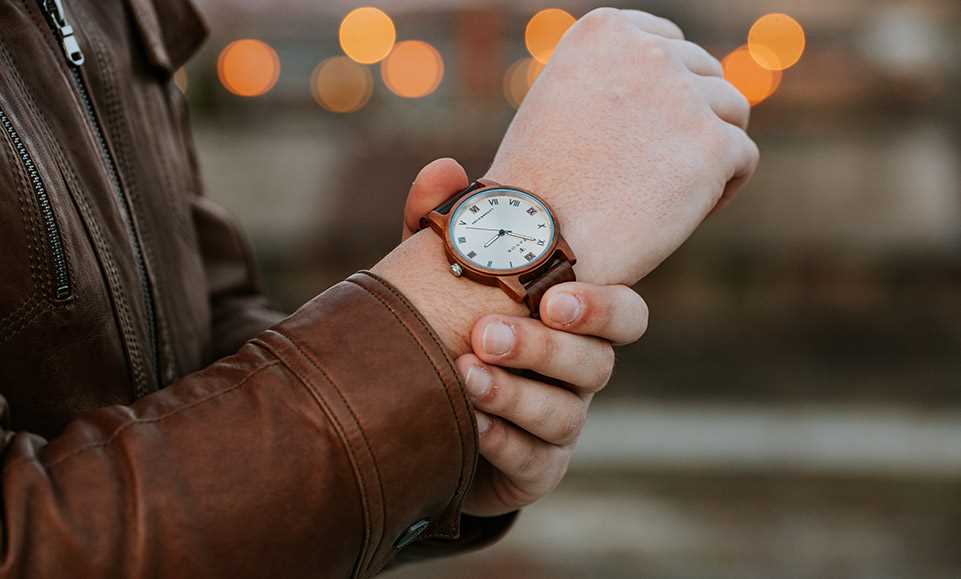
For daily wear or formal events, consider models with sleek designs, crafted from stainless steel or leather. These materials not only add elegance but also ensure longevity and comfort. A well-fitted strap is crucial; ensure it allows for sufficient airflow and is not overly constrictive.
Smart Features for Active Lifestyles
If tracking fitness and health metrics is a priority, choose a gadget that fits snugly without being tight. Lightweight smart models with breathable straps minimize discomfort while providing vital data. Assess battery life and charging methods, as these can impact usability during extended activities.



