
 Ethan Cole

For a secure fit, take the strap off your timepiece and examine the ends where it attaches to the casing. The majority of these fittings feature a sliding mechanism or a small clasp that allows for resizing. Identify the correct position for your wrist size and slide the attachment into place.
If the material is stretchy, consider the overall elasticity. Pull the strap gently to see how it fits on your wrist. A well-fitting strap should hold snugly without excessive pressure. If necessary, trim the excess length with scissors to achieve a more tailored feel.
Always ensure the clasp is functioning correctly after making adjustments. A locked clasp provides the most security while wearing the timepiece. For reinforced durability, check for wear and tear, as this could affect the overall tightness of the strap.

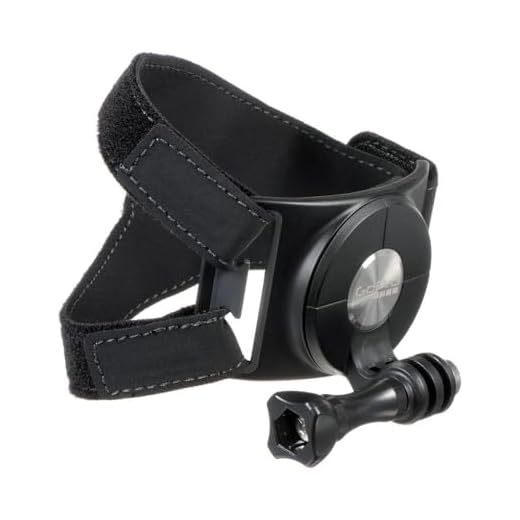
Adjusting Your Timepiece’s Band
To achieve the perfect fit, first, identify the area where the material is sewn together or connected. This seam usually allows for length modification. If applicable, carefully pull apart the connection without damaging the surrounding material.
For models featuring a spring mechanism, use a small tool to compress the spring. This deactivates the pin, enabling size modification. Slide the clasp or piece to the desired position before releasing the spring to secure it in place once again.
For those using a rubber or synthetic composition, trimming is an option. Measure accurately before cutting, as this is a permanent modification. Use sharp scissors for a clean edge, ensuring the remaining part remains intact.
For options with a sliding mechanism, simply grasp and pull to find the desired length. Ensure both sides are even and lock in the chosen position to prevent slippage.
Lastly, check the fit by wearing the accessory for a few moments. It should feel snug but not overly tight, allowing for comfortable movement on your wrist. Make any necessary adjustments at this stage before finalizing.
Identifying the Type of Elastic Band on Your Timepiece
Recognizing the specific type of stretchable strap is critical for proper fitting. Examine the material and design to determine its characteristics.
Follow these steps:
- Material: Check if the strap is made from silicone, rubber, textile, or a hybrid material. Each type has distinct properties that affect comfort and durability.
- Fastening Mechanism: Identify whether the closure is a simple slide, a clasp, or a loop. This will indicate how adjustments can be made.
- Width and Length: Measure the strap’s width and length. This is essential for ensuring compatibility with your particular model.
- Stretchability: Test how much the material stretches. Some bands offer significant elasticity, while others maintain a firmer grip.
- Brand Specifics: Research the brand for unique features they may incorporate in their designs, such as integrated adjustments or proprietary materials.
Ultimately, identifying the correct type ensures a more personalized experience, enhancing both functionality and style.
Measuring Your Wrist for a Proper Fit
For an accurate measurement, use a flexible measuring tape. Wrap it comfortably around the part of your arm where you intend to wear your timepiece. Ensure it is snug but not constricting. Record the measurement in millimeters (mm) for precision.
If a measuring tape isn’t available, a strip of paper or string can serve as an alternative. Mark the point where it overlaps, then measure the length against a ruler to obtain the dimension in millimeters.
Consider the following size ranges when reviewing your measurement:
| Measurement (mm) | Wrist Size Category |
|---|---|
| 140 – 160 | Small |
| 161 – 190 | Medium |
| 191 – 220 | Large |
| 221 and above | Extra Large |
Adjusting the fit based on personal comfort and preference is crucial. If you plan to wear it during workouts or daily activities, a slightly looser fit may be preferable. For formal occasions, a tighter fit might be more appropriate.
Removing the Excess Length from the Elastic Band
To effectively remove the extra length from the flexible strap, secure the timepiece to prevent movement during the process. Begin by identifying the area where the material should be cut – typically, this should be done near the end that attaches to the case.
Use sharp scissors or a specialized cutting tool to snip the band. Ensure that you leave enough length for comfort and fit, usually a couple of centimeters beyond the desired measurement. If the fabric has any fraying, consider using a lighter or match to carefully seal the edge and prevent further damage.
After trimming, reattach any necessary components, such as clips or clasps, to secure the altered strap. Test the fit on your wrist again to confirm that the adjustments provide a snug but comfortable hold without being constrictive.
Regularly check the integrity of the elastic after modification; over time, materials may stretch or relax, requiring new adjustments. Proper maintenance will ensure prolonged use of the accessory without compromising comfort or style.
Reattaching the Elastic Band Securely
Thread the ends of the flexible strap through the designated loops on the timepiece casing. Ensure that both sides are even and properly aligned to maintain balance on the wrist.
Utilize a needle and durable thread to stitch the ends of the strap together. Make several tight stitches to create a stable connection, reinforcing this area to withstand tension during wear.
Securing the Knots
After stitching, make a double knot with the thread to prevent unraveling. Trim any excess thread carefully, making sure not to cut too close to the knot to avoid loosening.
Final Adjustments
Test the strength of the attachment by gently pulling on the ends. If any weaknesses are detected, reinforce the stitching or consider additional securing methods. Once satisfied, check the overall fit for comfort and stability during movement.
Testing the Fit After Adjustment
After modifications, wear the timepiece for a minimum of fifteen minutes to assess comfort and security. Observe how it sits on the skin throughout various activities, ensuring it doesn’t constrict blood flow or slip excessively.
Check for any irritation or discomfort, adjusting as needed. The fixture should remain stable; ideally, there should be enough room for a finger to fit between the skin and the material, indicating a snug but manageable fit.
If the fit feels correct during initial wear, perform a few motion tests: lift your arm, rotate your wrist, and shake your hand. This helps confirm the piece maintains its position and comfort throughout daily tasks.
Consider revisiting the sizing process if there are any significant adjustments after testing. Fine-tuning might be necessary for the perfect fit to ensure it matches your style and daily wear preferences.
Maintaining the Elastic Band for Longevity
Regular cleaning is essential for extending the lifespan of stretchable watch straps. Use a soft, damp cloth to gently wipe away dirt and moisture. Avoid using harsh chemicals that could degrade the material.
Storage Practices
Store the timepiece in a cool, dry place away from direct sunlight. Prolonged exposure to heat or humidity can weaken the stretch properties. If possible, keep it in a protective case or pouch.
Periodic Inspections
- Examine the fabric for signs of wear such as fraying or discoloration.
- Check for elastic fatigue; if it feels loose, consider replacement.
- Ensure that the fasteners are secure and functioning properly.
Avoid exposing the strap to excessive moisture, especially in environments like swimming pools or spas. Remove the strap if you’re engaging in activities that may cause damage.
Finally, consider dedicating time to caring for the strap on a monthly basis. This can include cleaning, checking for wear, and ensuring all components are working effectively.



