Ethan Cole

Prioritize comfort and fit; an optimal strap should sit snugly without causing irritation. Measure your wrist’s circumference accurately to determine appropriate lengths. Most manufacturers provide sizing charts tailored to specific models, ensuring compatibility.
Consider material types: leather offers a classic, sophisticated look, while silicone or nylon may provide enhanced durability and flexibility for active lifestyles. Evaluate how the choice of material aligns with your daily activities and overall style preferences.

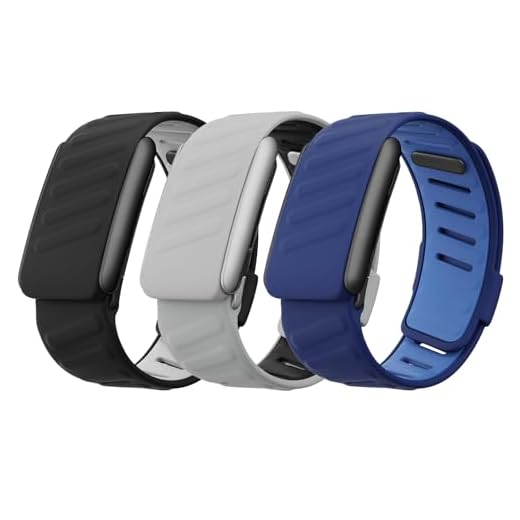

Attachment style impacts ease of use. A deployment clasp may provide a more secure fit, while a pin buckle allows for quick adjustments. Assess your daily routine to identify which fastening mechanism adds convenience to your experience.
Lastly, color and design should reflect personal taste and complement outfits. A versatile color palette enhances versatility, allowing for seamless transitions from casual to formal occasions. Choose wisely to elevate your accessory game.
Understanding Different Materials for Band Options
Leather is a classic material, known for its elegance and comfort. It ages beautifully, developing a unique patina over time. Options range from smooth to textured grains, giving variety in style. Ideal for formal occasions or casual wear, leather adds sophistication to any timepiece.
Metal Variants
Stainless steel and titanium are popular for their durability and resistance to corrosion. Stainless steel offers a timeless look, while titanium is lighter and hypoallergenic. Consider brushed or polished finishes depending on desired aesthetics. Both materials provide a sturdy and lasting choice.
Fabric Choices
Nylon and canvas bands are lightweight, making them comfortable for daily wear. They come in various colors and patterns, allowing for personal expression. These materials are often washable and can handle more rugged use, appealing to outdoors enthusiasts.
Assessing Fit and Comfort of a Strap
Measure your wrist accurately using a flexible tape measure or string. Wrap it snugly around the wrist, noting the circumference. A correct fit typically allows for a slight gap; ensure comfort without excessive tightness. Adjustability features, such as holes or links, can help achieve this balance.
Test the strap on your wrist for a day to assess comfort. Pay attention to any irritation or pressure points. A strap should feel natural and not hinder movement, so consider options with rounded edges or soft linings for enhanced comfort.
Straps made from materials that conform to body temperature, like silicone or leather, often provide better comfort. Additionally, choose breathable fabrics for warm environments to prevent moisture build-up. A well-fitted watch shouldn’t shift excessively during daily activities, ensuring it remains in place and functional.
Consider personal lifestyle factors. If active or engaging in sports, opt for a more secure and durable option. Conversely, if aiming for a formal appearance, select materials and designs that complement attire while ensuring comfort throughout wear.
Exploring Various Styles for Different Occasions
For casual outings, opt for silicone or fabric straps that blend comfort and versatility. They can be easily dressed up with colorful patterns or minimalist designs, providing a laid-back yet stylish look.
Formal events call for leather alternatives. Dark shades, like black or brown, enhance sophistication. Look for smooth finishes or subtle textures to elevate elegance while ensuring a seamless fit with formal attire.
Sports activities require durable options. High-resilience materials, such as rubber or nylon, deliver reliability under active conditions. Features like adjustable clasps ensure a secure fit, allowing for uninhibited movement.
For a trendy urban vibe, consider metal link styles. Stainless steel or titanium can add a modern edge to any outfit. These options are adaptable, pairing well with both casual and refined looks.
Traveling necessitates lightweight choices. Materials like fabric or mesh keep the weight down, while ensuring breathability. A quick-release mechanism facilitates easy adjustments, making it convenient for various environments.
Festival or event settings benefit from bold designs. Bright colors, unique patterns, or limited edition pieces can serve as conversation starters and allow for personal expression.
For daily wear, multifunctional options are ideal. Straps that accommodate both business and leisure settings provide flexibility. Look for classic colors that match a variety of outfits.
Evaluating durability and maintenance requirements
Focus on materials that offer high resistance to wear and environmental factors. Stainless steel and titanium are excellent choices for longevity, while silicone and rubber bands provide flexibility without compromising durability. Leather, although stylish, requires more care and may show signs of wear over time.
Consider the treatment of materials. For instance, some metals may undergo coatings that enhance their scratch resistance, while exotic leathers might require regular conditioning to maintain appearance. Synthetic options can often be washed easily, making them suitable for active lifestyles.
Evaluate the connection mechanisms. Quality hardware can prevent frequent disassembly and potential loss, choosing robust clasps or quick-release systems can add convenience while ensuring a secure fit. Regularly inspect these components for signs of wear, particularly in high-use situations.
Research maintenance requirements tailored to specific materials. While silicone can be rinsed off after exercising, leather may need periodic moisturizing, and metal bands might benefit from a polishing cloth to keep them looking pristine. Establish a routine maintenance schedule to prolong the life of your accessory.
Assess the impact of specific activities on band durability. If engaging in sports or outdoor work, opt for more resilient materials. In contrast, for formal settings, prioritize aesthetics with a willingness to maintain characteristics in like leather or fabric. Always balance durability with style preferences to ensure satisfaction with your choice.
Matching the Wrist Strap to the Watch Case
Select a strap that complements both the material and color of the timepiece case. For example, a metal casing pairs well with a steel or mesh option for a cohesive look.
Consider the size and shape of the case. A larger case pairs nicely with wider straps, while smaller cases can benefit from more delicate options.
Evaluate the finishes of the components:
- Polished cases harmonize with glossy straps.
- Matte finishes work best with textured or matte bands.
- Color alignment matters; neutral or matching tones offer a seamless appearance.
Contrast can create a striking effect. For example, a dark strap with a light case can provide a balanced aesthetic.
Check for design elements. A sporty timepiece may suit a rugged or silicone strap, whereas a dressier watch often looks best with leather or elegant fabric.
Final decision should consider personal style and use case; ensure selection aligns with individual tastes and intended occasions.
Considering Cost and Budget for Your Purchase
Determine a financial range prior to selection. This will help narrow down options and align choices with spending ability. Allocate a portion of the budget for additional features, if desired.
Price Ranges for Different Materials
Each material has a corresponding price bracket. Here’s a breakdown:
| Material | Price Range (USD) |
|---|---|
| Leather | $30 – $200 |
| Metal | $50 – $300 |
| Silicone | $10 – $50 |
| Nylon | $20 – $80 |
| Exotic Materials (e.g., carbon fiber) | $100 – $500+ |
Long-term Value Considerations
Investing in higher-quality options may result in better longevity and reduced replacement frequency. Evaluate warranty options as they provide insights into manufacturer confidence. Assess resale value for potential future returns.
FAQ:
What materials are commonly used for watch wrist bands?
Watch wrist bands are made from various materials, each offering unique characteristics. Leather is popular for its classic and sophisticated appearance, while metal bands, such as stainless steel, are favored for their durability and timeless style. Rubber and silicone bands are commonly used for sports and casual watches due to their flexibility and water resistance. Nylon, often seen in straps like NATO or Zulu, is lightweight and breathable, making it comfortable for everyday wear. Choosing the right material depends on your personal style, the watch’s purpose, and the level of comfort desired.
How do I determine the right size for a watch wrist band?
To find the correct size for your watch wrist band, you’ll first need to know the width of the watch lugs, which is where the band attaches to the watch case. This measurement is typically expressed in millimeters. Most watch bands come in standard sizes, so once you have the lug width, you can select a band that matches this measurement. Additionally, consider your wrist size. Many bands come with adjustable lengths or varying sizes (small, medium, large) to ensure a proper fit. It’s also important to account for style preferences—some may prefer a snug fit, while others might opt for a looser band for comfort.
What factors should I consider when choosing a watch wrist band for sports activities?
When selecting a watch wrist band for sports, focus on materials that offer durability and comfort. Rubber or silicone bands are excellent choices as they can withstand sweat and moisture while providing a secure fit during vigorous activities. Look for bands with breathable designs or perforations to enhance ventilation. Additionally, ensure that the band is adjustable to accommodate different wrist sizes, especially if it may be worn over clothing or during intense workouts. Consider weight as well; lighter bands can reduce the feeling of bulk on your wrist, allowing for greater freedom of movement.
Can I change the watch wrist band myself, and how do I do it?
Yes, you can often change the watch wrist band yourself, provided your watch is designed for interchangeable bands. To do this, you will need a spring bar tool or a similar small tool to release the spring bars that hold the band in place. First, ensure your workspace is clean and well-lit. Gently insert the tool into the gap where the spring bar meets the lugs to push it inward, which will release it from the hole. Carefully remove the old band and align the new band’s spring bars with the holes in the lugs. Push the spring bars into place until you hear a click, indicating they are secured. Always check that the band is firmly attached before wearing the watch.