
 Ethan Cole

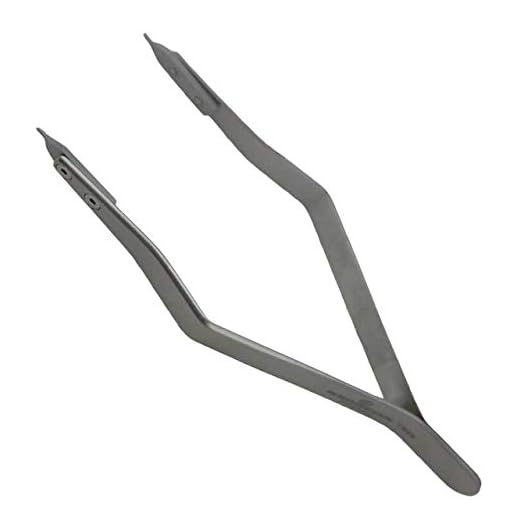
For a seamless experience, utilize a spring bar tool to detach the strap from the casing. This minimizes potential damage and allows easy access to the components.
When replacing a damaged band, ensure it matches the lug width of the case. A precision measurement with calipers or a ruler will provide the perfect fit, preventing issues arising from mismatched sizes.


Consider using leather conditioner on genuine leather straps to enhance longevity and maintain suppleness. Regular maintenance can ward off wear and tear considerably, extending the lifespan of your accessory.
For synthetic options, cleaning with mild soap and water will keep them looking fresh. Avoid harsh chemicals that could degrade the material.
If the closures are malfunctioning, inspect the clip or clasp for any signs of wear. Replacing these components can often restore functionality without the need for a complete overhaul.
Regular inspections for fraying or damage will help prevent unexpected breakage. By staying proactive, your timepiece can remain a reliable companion for years to come.
Fixing a Watch Strap
To address a damaged strap, begin by assessing the condition. If there are small tears or frayed edges, use a thin adhesive such as super glue for minor fixes. Apply a small amount along the tear and press the material together until it bonds. Allow sufficient drying time to ensure stability.
For broken links in metal bands, pliers can help reattach them. Align the ends of the broken link with a replacement pin or old pin that is not compromised, and gently push it back into place. For stretched or loose leather, consider a strap conditioner to restore flexibility and prevent cracking.
If the clasp is faulty, remove it using a small screwdriver. Look for replacement clasps online that match your band type. After obtaining a new clasp, attach it by aligning it properly and securing the screws until snug.
In cases where parts are missing, refer to a trusted supplier or professional for precise replacements. Ensure that the sizes match to maintain the aesthetic and functional quality of the accessory.
Identifying the Type of Watch Strap Material
Begin by examining the texture and appearance of the material. Common types include leather, metal, plastic, and fabric. Each has distinct characteristics.
- Leather: Soft, with a natural grain. Look for variations in color and texture. Genuine leather will often have slight imperfections.
- Metal: Cold to the touch, shiny or brushed finish. Check for links, which may indicate a removable design.
- Plastic: Lightweight and colorful, often made from resin or silicone. Feel for flexibility and a matte surface.
- Fabric: Soft and pliable, may be woven or knitted. Check for patterns and stitching details for clues on durability.
For verification, conduct a simple water test. Leather will absorb water, while plastic and metal are water-resistant. A close inspection of the strap ends can reveal how it connects to the casing, as different materials will have specific attachment methods.
Finally, take note of any branding or labels which often indicate the material and care instructions. This can provide further insights into the type and quality of the strap.
Tools Needed for Watch Strap Fixing
The following tools will streamline your strap adjustment process:
1. Spring Bar Tool
This handy device enables the easy removal and installation of spring bars connecting the strap to the case. Look for a dual-ended model; one side typically has a forked tip and the other a pointed tip for added versatility.
2. Tweezers
Precision tweezers are crucial for handling small parts without causing damage. Opt for anti-magnetic ones to avoid any interference with your timepiece’s mechanics or electronics.
3. small Screwdrivers
A set of tiny screwdrivers is necessary for adjusting or replacing screws on certain strap types. Ensure they fit securely in the screws to avoid stripping them.
4. Knife or Blade
For leather or synthetic materials, a craft knife is useful for trimming any excess material or creating a more tailored fit. Use it with caution to avoid injury.
5. Ruler or Measuring Tape
Measuring the strap length or any adjustments can be done accurately with a ruler or measuring tape. Preferably, use a flexible tape for ease of use.
6. Pliers
Round-nose or flat-nose pliers aid in gripping components securely, especially during installations that require more force. Select a tool that is gentle to avoid scratches.
7. Leather Hole Punch
When modifying leather or fabric strap lengths, a hole punch offers the ability to create clean holes for better fitting. Various sizes ensure adjustable options based on strap thickness.
Equipped with these tools, you can efficiently handle adjustments and modifications to ensure your timepiece remains secure and comfortable.
Step-by-Step Guide to Replacing Watch Belt Links
Identify the link that requires removal. Often, links are connected by pins or screws. Inspect the connection method closely for ease of access.
Gathering Tools
You will need a link removal tool, usually a small screwdriver or a specialized pin pusher depending on the type of connection. A soft cloth to protect the surface of your timepiece is also recommended.
Removing Links
Position the tool over the pin or screw. If using a pin pusher, gently apply pressure to slide the pin out. For screws, turn counterclockwise until it loosens. Remove the desired link or links. Ensure adjustments maintain balance for the strap’s fit.
Once the necessary links are removed, reassemble the remaining sections by aligning the ends and reinserting the pin or screw securely. Test the adjustments for comfort and fit before wearing.
Fixing a Damaged Timepiece Strap without Replacement
Begin with thoroughly cleaning the damaged area with a soft cloth to remove any dirt or grime. If the material is leather, apply a suitable leather conditioner to restore moisture and flexibility.
For minor tears, consider using a specialized adhesive for fabric or leather. Carefully apply a thin layer of glue, pressing the edges of the tear together for a few minutes until secured. Allow the adhesive to cure fully before using the strap again.
If you face cracks or splits, reinforce them with a matching fabric patch on the underside. Use adhesive or sewing for added strength, ensuring the patch is unobtrusive.
For metal straps, check for loose links or sections. Tighten screws or replace missing pins using a small screwdriver or pliers, maintaining a secure fit.
If your strap is frayed, trim the edges neatly with scissors. For a polished look, lightly sand the trimmed edges to prevent future fraying.
When issues occur around the buckle, check for misalignment. Realign the buckle gently and test its function several times to ensure smooth operation.
Finally, regularly inspect the strap for signs of wear or damage. Timely intervention can extend its lifespan significantly without the need for full replacement.
Techniques for Adjusting the Length of Leather Watch Bands
To customize the fit of leather straps, utilize the following methods:
- Leather Hole Punch: Identify where adjustment is needed. Use a leather hole punch to create additional holes for better fit. Make sure to space holes evenly.
- Leather Thickness Reduction: For thick bands, reduce the thickness by carefully sanding with fine-grit sandpaper. Keep the surface smooth and avoid compromising the durability.
- Heat and Mould: Slightly heat the leather using a hairdryer. Once warm, gently stretch the band or mold it to a new shape. Allow it to cool in the desired position.
- Replacement Buckle: If the current buckle does not allow for adjustment, consider replacing it. Choose one that fits your new specifications.
- Adding Extensions: If the band is too short, attach an extension piece made of compatible leather. Stitch or secure it with strong adhesive for a seamless look.
- Professional Help: For complicated adjustments or if in doubt, consult a professional. They possess the tools and expertise to modify the band without damage.
Always ensure that adjustments maintain the integrity and aesthetics of the leather. Regularly check for wear to maintain comfort and functionality.
Maintaining Your Timepiece Strap After Fix
Regular cleaning is vital for longevity. Use a microfiber cloth to remove dust and moisture after each wear, especially for materials like leather and fabric.
For metal links, consider using a soft brush and mild soapy water to gently clean between links. Rinse thoroughly and dry completely to prevent corrosion.
Condition leather bands with a specific leather conditioner every few months to prevent cracking. Avoid exposing them to excessive moisture and heat.
Always store your accessory in a cool, dry place when not in use. Use a dedicated case or pouch to prevent scratches and abrasions.
Inspect for wear and tear periodically. Look for loose pins, fraying threads, or discoloration. Addressing these issues early can extend usability significantly.
Consider switching to a different material for seasonal variations; for instance, a rubber strap can be more suitable for summer wear.
| Material | Cleaning Method | Care Tips |
|---|---|---|
| Leather | Microfiber cloth, leather conditioner | Avoid water exposure, store in a cool place |
| Metal | Mild soapy water, soft brush | Dry completely, avoid harsh chemicals |
| Fabric | Warm water, gentle detergent | Let air dry, check for fraying threads |
| Rubber | Warm soapy water, soft cloth | Rinse well, avoid extreme heat |
FAQ:
How do I know if my wrist watch belt needs repair?
If your wrist watch belt shows signs of wear or damage, it likely needs attention. Look for fraying, cracks, or a loose fit. A belt that no longer sits properly on your wrist, or one that has lost its color or shine, indicates it might be time for a repair or replacement. Regularly inspect your watch belt to catch issues early, as this can extend its lifespan.
What tools do I need to repair a wrist watch belt?
To repair a wrist watch belt, you typically need a few basic tools such as a spring bar tool to remove and replace the spring bars that hold the strap in place. You might also need pliers for adjustments, a cutting tool if you’re shortening the belt, and perhaps some adhesive for minor repairs on leather or fabric straps. Additionally, having a cleaning cloth handy is useful for maintaining the belt’s appearance during the repair process.
Can I repair a damaged leather watch belt myself, or should I take it to a professional?
If you have basic DIY skills, you can attempt to repair a damaged leather watch belt yourself, especially for minor issues like re-gluing a loose section or replacing a spring bar. However, if the damage is extensive, such as significant tearing or cracks that compromise the belt’s structure, it’s advisable to consult a professional. They have the expertise and tools to restore the belt effectively without risking further damage. Always consider the value of your watch when deciding.



